• HOME
  • NEWS
  • EXPLORE
    • CAREER
      • Companies
      • Jobs
    • EVENTS
    • iGEM
      • News
      • Team
    • PHOTOS
    • VIDEO
    • WIKI
  • BLOG
  • COMMUNITY
    • FACEBOOK
    • INSTAGRAM
    • TWITTER
Friday, July 10, 2026
BIOENGINEER.ORG
No Result
View All Result
  • Login
  • HOME
  • NEWS
  • EXPLORE
    • CAREER
      • Companies
      • Jobs
        • Lecturer
        • PhD Studentship
        • Postdoc
        • Research Assistant
    • EVENTS
    • iGEM
      • News
      • Team
    • PHOTOS
    • VIDEO
    • WIKI
  • BLOG
  • COMMUNITY
    • FACEBOOK
    • INSTAGRAM
    • TWITTER
  • HOME
  • NEWS
  • EXPLORE
    • CAREER
      • Companies
      • Jobs
        • Lecturer
        • PhD Studentship
        • Postdoc
        • Research Assistant
    • EVENTS
    • iGEM
      • News
      • Team
    • PHOTOS
    • VIDEO
    • WIKI
  • BLOG
  • COMMUNITY
    • FACEBOOK
    • INSTAGRAM
    • TWITTER
No Result
View All Result
Bioengineer.org
No Result
View All Result
Home NEWS Bioengineering

Artificial blood made in Romania

Bioengineer by Bioengineer
October 30, 2013
in Bioengineering
Reading Time: 2 mins read
1
Share on FacebookShare on TwitterShare on LinkedinShare on RedditShare on Telegram

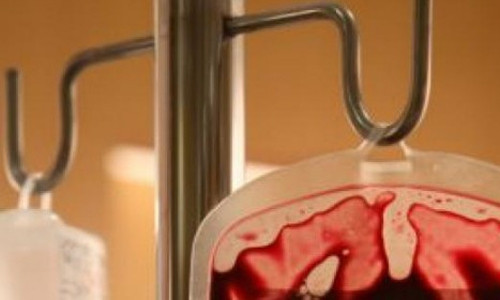
A team of researchers of the Babes-Bolyai University in Cluj-Napoca, a city in NW Romania, has created a recipe for artificial blood whose preliminary tests have proven encouraging. The team led by professor Radu Silaghi-Dumitrescu, who is only 39 years old, has been doing research to create the artificial blood for six years and their discovery could prove crucial given the lack of blood doctors need in cases of severe accidents and major surgeries. The blood is made of water, salt, albumin and a protein – hemerythrin -extracted from marine worms which makes the artificial blood stress resistant.
Romania Blood

The researchers said the results of the first tests performed on mice are encouraging. „The mice treated with this type of blood ‘made in Cluj’ have remained indifferent and this is what we want, not to display signs of inflammation or disease. The ultimate goal is we don’t get rejection reactions of the artificial blood by the human body which we have for some of the current products” professor Silaghi-Dumitrescu said, as quoted by Mediafax.

He said all the previous attempts to create artificial blood have failed because researchers couldn’t find the right protein to keep the substance immune to stress factors. So far the tests on animals didn’t generate the toxicity other types of protein used so far produced.

The lead researcher pointed out the tests on mice will continue until proven there is not toxicity at all, before any attempt to use it on human beings. Silaghi-Dumitrescu said he expected concluding results in at most two years before any further tests. “Tests on humans are a very delicate topic, we need some very serious licenses and they represent an enormous risk” he underlined.

If further tests prove successful, the studies of the team in Cluj-Napoca will be published in specialty magazines and will be patented. The artificial blood research has been supported through special funding the Ministry of Education and Research at a time when research in Romania copes with severe cuts in funds.

Story Source:

The above story is based on materials provided by balkaneu, Daniel Stroe.

Share14Tweet9Share2ShareShareShare2

Related Posts

Why is the first Turkish bioengineering promotion website, Biyomuhendislik.com, so important?

February 4, 2023

Robo-fish

September 19, 2016

Mice born from ‘tricked’ eggs

September 17, 2016

UCLA researchers use stem cells to grow 3-D lung-in-a-dish

September 16, 2016
Please login to join discussion

POPULAR NEWS

  • Detection of EDCs in Breast Milk and Infant Urine Up to Six Months Highlights Early Exposure Risks

    77 shares
    Share 31 Tweet 19
  • New Drug Candidate Developed at McMaster Shows Potential for Treating Brain Cancer

    58 shares
    Share 23 Tweet 15
  • KTU Researchers Explore Ultrasound’s Role in Enhancing Blood Flow Beyond Diagnostics

    53 shares
    Share 21 Tweet 13
  • 高齢者の骨粗鬆症治療の持続性比較

    51 shares
    Share 20 Tweet 13

About

We bring you the latest biotechnology news from best research centers and universities around the world. Check our website.

Follow us

Recent News

EU Tariffs on Chinese EVs Affect Prices Across Europe

Efficient In Vivo Cytosine Base Editing via Virus-Like Particles and Uracil DNA Glycosylase Inhibition

Brain Circuit Between Dentate Gyrus and Cortex Controls Bone Healing in Mice

Subscribe to Blog via Email

Enter your email address to subscribe to this blog and receive notifications of new posts by email.

Join 84 other subscribers
  • Contact Us

Bioengineer.org © Copyright 2023 All Rights Reserved.

Welcome Back!

Login to your account below

Forgotten Password?

Retrieve your password

Please enter your username or email address to reset your password.

Log In
No Result
View All Result
  • Homepages
    • Home Page 1
    • Home Page 2
  • News
  • National
  • Business
  • Health
  • Lifestyle
  • Science

Bioengineer.org © Copyright 2023 All Rights Reserved.