• HOME
  • NEWS
  • EXPLORE
    • CAREER
      • Companies
      • Jobs
    • EVENTS
    • iGEM
      • News
      • Team
    • PHOTOS
    • VIDEO
    • WIKI
  • BLOG
  • COMMUNITY
    • FACEBOOK
    • INSTAGRAM
    • TWITTER
Friday, March 27, 2026
BIOENGINEER.ORG
No Result
View All Result
  • Login
  • HOME
  • NEWS
  • EXPLORE
    • CAREER
      • Companies
      • Jobs
        • Lecturer
        • PhD Studentship
        • Postdoc
        • Research Assistant
    • EVENTS
    • iGEM
      • News
      • Team
    • PHOTOS
    • VIDEO
    • WIKI
  • BLOG
  • COMMUNITY
    • FACEBOOK
    • INSTAGRAM
    • TWITTER
  • HOME
  • NEWS
  • EXPLORE
    • CAREER
      • Companies
      • Jobs
        • Lecturer
        • PhD Studentship
        • Postdoc
        • Research Assistant
    • EVENTS
    • iGEM
      • News
      • Team
    • PHOTOS
    • VIDEO
    • WIKI
  • BLOG
  • COMMUNITY
    • FACEBOOK
    • INSTAGRAM
    • TWITTER
No Result
View All Result
Bioengineer.org
No Result
View All Result
Home NEWS Science News

Future too warm for baby sharks

Bioengineer by Bioengineer
January 12, 2021
in Science News
Reading Time: 3 mins read
0
IMAGE
Share on FacebookShare on TwitterShare on LinkedinShare on RedditShare on Telegram

IMAGE

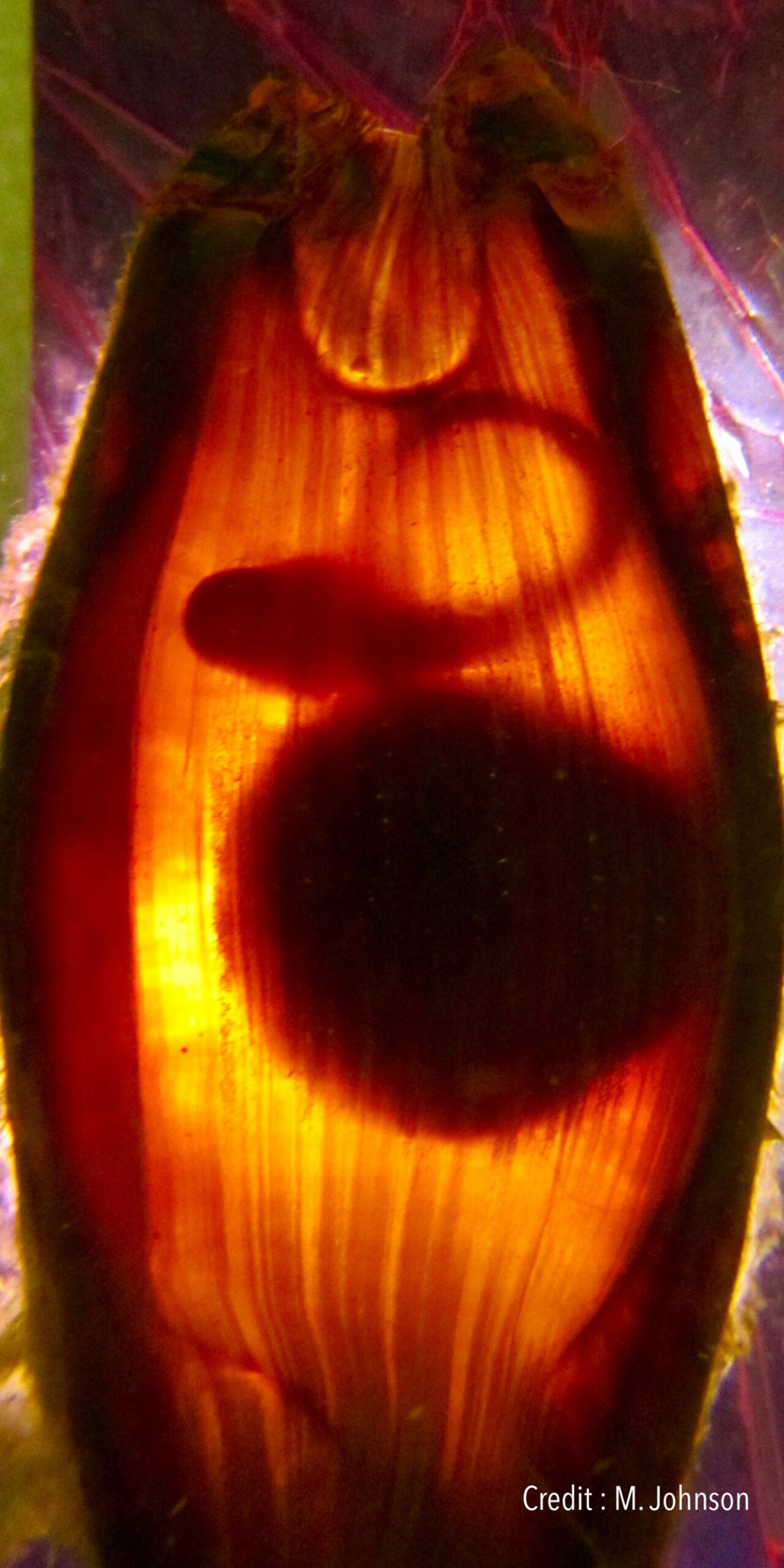
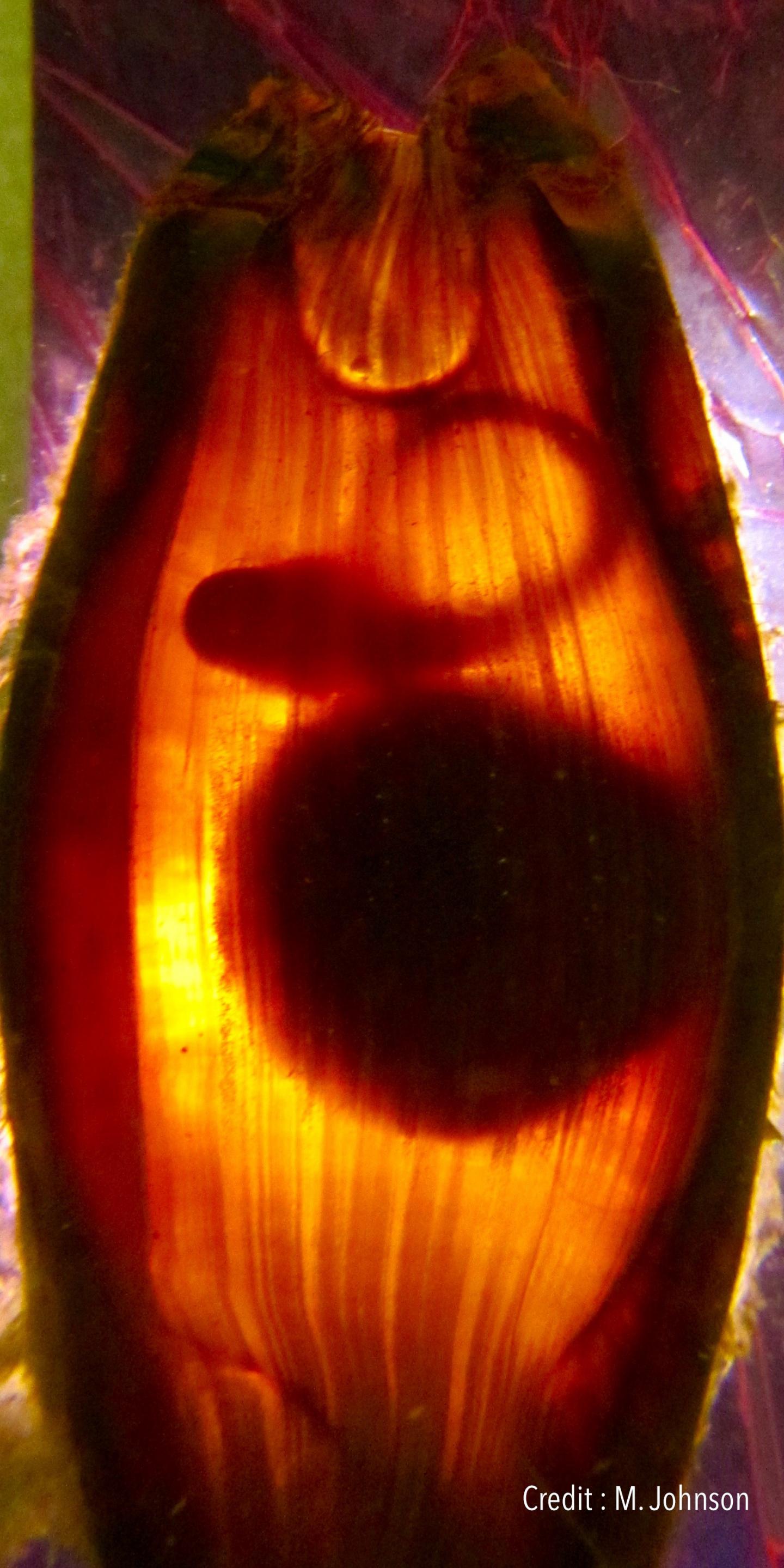
Credit: M. Johnson

New research has found as climate change causes the world’s oceans to warm, baby sharks are born smaller, exhausted, undernourished and into environments that are already difficult for them to survive in.

Lead author of the study Carolyn Wheeler is a PhD candidate at the ARC Centre of Excellence for Coral Reef Studies at James Cook University (Coral CoE at JCU) and the University of Massachusetts. She examined the effects of increased temperatures on the growth, development and physiological performance of epaulette sharks–an egg-laying species found only on the Great Barrier Reef. She and her team studied the sharks as embryos and as hatchlings.

“We tested shark embryos in waters up to 31°C,” Ms Wheeler said.

“The hotter the conditions, the faster everything happened, which could be a problem for the sharks. The embryos grew faster and used their yolk sac quicker, which is their only source of food as they develop in the egg case. This led to them hatching earlier than usual.”

This meant hatchlings were not only smaller, they needed to feed almost straight away–while lacking significant energy.

Co-author Associate Professor Jodie Rummer, also from Coral CoE at JCU, says the waters of the Great Barrier Reef will likely experience summer averages close to or even in excess of 31°C by the end of the century.

Since sharks don’t care for their eggs after they are laid, a shark egg must be able to survive unprotected for up to four months. Dr Rummer flags rising ocean temperatures as a major concern for the future of all sharks–both egg-laying and live-bearing species.

“The epaulette shark is known for its resilience to change, even to ocean acidification,” Dr Rummer said. “So, if this species can’t cope with warming waters then how will other, less tolerant species fare?” she said.

Sharks and the class of animals they belong to, which includes rays and skates, are slow growing. They also don’t reproduce that often compared to other fishes. The populations of these creatures are already threatened across the globe.

The study suggests the sharks of the future will be born–or hatch, in this case–not only at a disadvantage but into environments that are already at the warmest they can tolerate.

“The study presents a worrying future given that sharks are already threatened,” Ms Wheeler said.

“Sharks are important predators that keep ocean ecosystems healthy. Without predators, whole ecosystems can collapse, which is why we need to keep studying and protecting these creatures.”

“Our future ecosystems depend us taking urgent action to limit climate change,” Dr Rummer said.

###

The research was a collaborative effort between the Anderson Cabot Center for Ocean Life and the husbandry staff at the New England Aquarium in Boston. The New England Aquarium has a successful breeding program for epaulette sharks.

PAPER

Wheeler C, Rummer J, Bailey B, Lockwood J, Vance S, Mandelman J. (2020). ‘Future thermal regimes for epaulette sharks (Hemiscyllium ocellatum): growth and metabolic performance cease to be optimal’. Scientific Reports, 10: 79953. DOI: 10.1038/s41598-020-79953-0

CONTACTS

Carolyn Wheeler

E: [email protected]

A/Prof Jodie Rummer

P: +61 (0)439 166 171

E: [email protected]

FOR FURTHER INFORMATION

Melissa Lyne / Coral CoE

P: +61 (0)415 514 328

E: [email protected]

Media Contact
Melissa Lyne
[email protected]

Related Journal Article

http://dx.doi.org/10.1038/s41598-020-79953-0

Tags: BiologyClimate ChangeDevelopmental/Reproductive BiologyEcology/EnvironmentMarine/Freshwater BiologyPhysiology
Share12Tweet8Share2ShareShareShare2

Related Posts

Starburst Winds Drain Supernova Energy Quickly

Starburst Winds Drain Supernova Energy Quickly

March 26, 2026
Decoding the Phosphorus Puzzle: How Microplastics and Hydrochar Transform Nutrient Dynamics in Rice Paddies

Decoding the Phosphorus Puzzle: How Microplastics and Hydrochar Transform Nutrient Dynamics in Rice Paddies

March 26, 2026

Microtubules Found to Actively Ensure Accurate Chromosome Distribution During Cell Division

March 25, 2026

Aversive Learning Hijacks Brain Sugar Sensor

March 25, 2026
Please login to join discussion

POPULAR NEWS

  • blank

    Revolutionary AI Model Enhances Precision in Detecting Food Contamination

    96 shares
    Share 38 Tweet 24
  • Imagine a Social Media Feed That Challenges Your Views Instead of Reinforcing Them

    1003 shares
    Share 397 Tweet 248
  • Uncovering Functions of Cavernous Malformation Proteins in Organoids

    54 shares
    Share 22 Tweet 14
  • Promising Outcomes from First Clinical Trials of Gene Regulation in Epilepsy

    51 shares
    Share 20 Tweet 13

About

We bring you the latest biotechnology news from best research centers and universities around the world. Check our website.

Follow us

Recent News

In-Sensor Cryptography Links Physical Process to Digital Identity

Can Psychosocial Factors Influence Cancer Risk?

Depression Factors in Elderly: Pre vs. Post-COVID Analysis

Subscribe to Blog via Email

Success! An email was just sent to confirm your subscription. Please find the email now and click 'Confirm' to start subscribing.

Join 78 other subscribers
  • Contact Us

Bioengineer.org © Copyright 2023 All Rights Reserved.

Welcome Back!

Login to your account below

Forgotten Password?

Retrieve your password

Please enter your username or email address to reset your password.

Log In
No Result
View All Result
  • Homepages
    • Home Page 1
    • Home Page 2
  • News
  • National
  • Business
  • Health
  • Lifestyle
  • Science

Bioengineer.org © Copyright 2023 All Rights Reserved.