Community-based research programme leads to innovative ‘cartoons’
Credit: Sightsavers
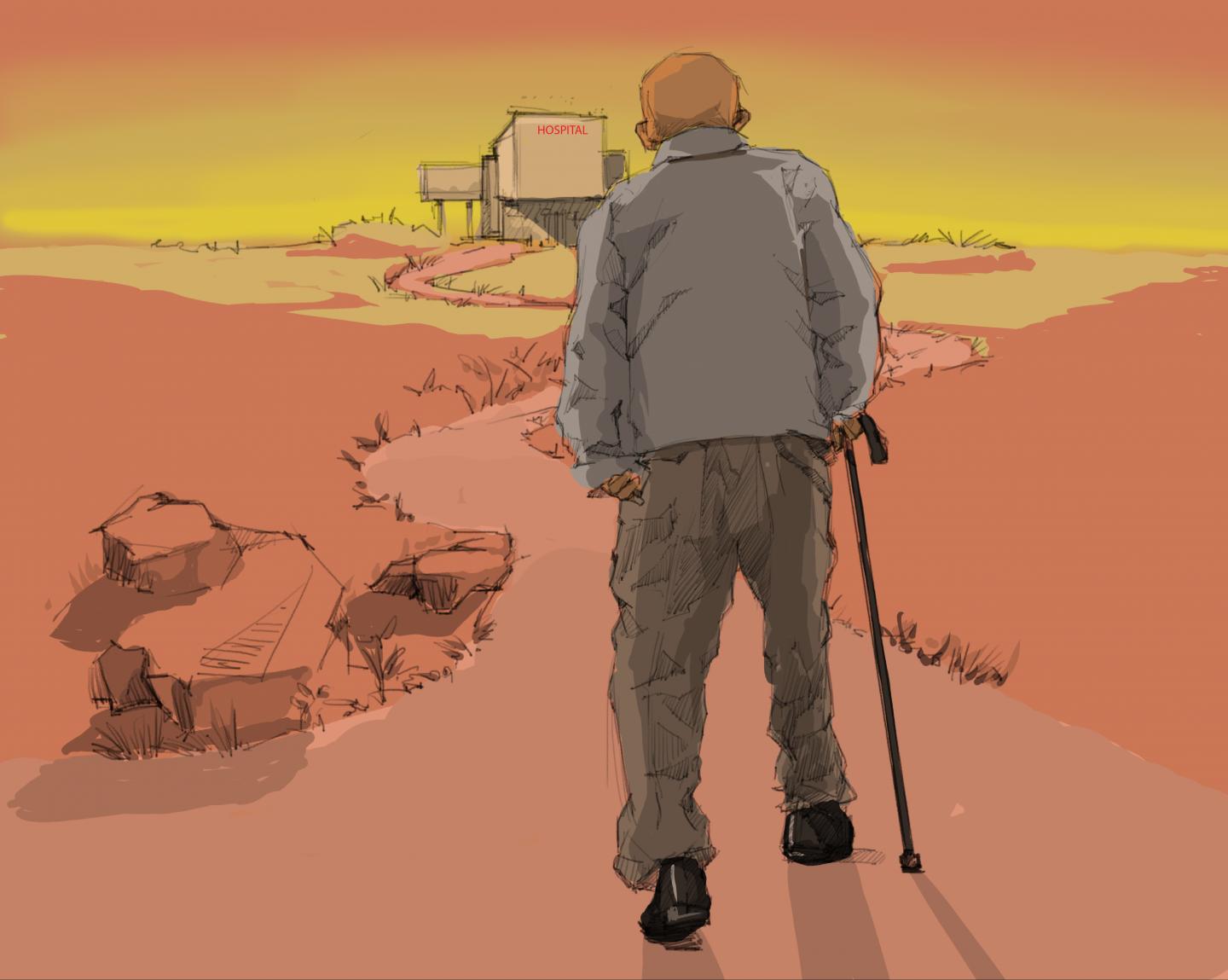
Illustrations by a local artist in Nigeria are helping health workers and policy makers understand what it’s really like to live with a neglected tropical disease (NTD).
The twelve illustrations have been drawn as part of a research project to improve services for those living with long term impacts of conditions such as lymphatic filariasis, buruli ulcer and leprosy. They include depictions of some of the social and mental health impacts of these conditions – including stigmatisation, loneliness and depression – and will be used in new areas later this month.
When the images, created by Nigerian artist, Christian Okwananke, were shown to NTD health professionals including programme implementers, healthcare workers and policy makers in the Nigerian capital Abuja, it was clear that they had an impact.
“The illustrations kickstarted conversations in a sensitive, non-confrontational way. The health professionals clearly related to the images and were able to understand more effectively the challenges faced by their patients,” said Martins Imhansoloeva, research coordinator at Sightsavers.
“We rightly spend a lot of time working to eliminate NTDs, but sometimes at the expense of considering the people behind the numbers and providing services which reflect the realities experienced by people living with an NTD,” he added.
The illustrations were drawn following a community-based participatory research programme looking into morbidity management and disability prevention (MMDP) services. These services rarely have input from the people who have been directly affected, which is why research like this is critical.
NTDs affect more than a billion people around the world – often in the poorest and most rural communities – and can cause severe and lifelong physical impairments.
Community stigma and discrimination is often based on misinformation, cultural or traditional beliefs, and further pressures come from fear of surgery, difficulties accessing transport to take up services, worry over the cost of treatment and overstretched health workers.
Large scale mass drug administration programmes to combat NTDs are well established, whilst services for those living with an NTD remain generally underfunded and poorly accessed.
Sightsavers works with partners and ministries of health to eliminate and treat five neglected tropical diseases in over 30 countries: The five NTDs it treats are: trachoma, river blindness (onchocerciasis), elephantiasis (lymphatic filariasis), schistosomiasis and intestinal worms (soil transmitted helminths).
###
The illustrations are based on findings from participatory research carried out in Kebbi and Benue states. The researchers from Sightsavers, the Liverpool School of Tropical Medicine (LSTM), and the Nigerian Ministry of Health trained up frontline health care workers and people living with NTDs to be co-researchers who were involved at all levels of the research, analysis and recommendations from the findings. Funding for the project came from the Taskforce for Global Health.
NOTES:
Please contact us for Jpeg copies of the illustrations. There is also an explanatory video here:
https:/
About Sightsavers:
- Sightsavers is an international organisation that works in more than 30 developing countries to prevent avoidable blindness, treat and eliminate neglected tropical disease, and promote the rights of people with disabilities. It is a registered UK charity (Registered charity numbers 207544 and SC038110)
http://www.sightsavers. org - In the seven decades since its foundation, Sightsavers has:
- Supported more than 1.2 BILLION treatments for neglected tropical diseases
- Carried out more than 7.7 million cataract operations to restore sight
- Carried out more than 196 million eye examinations
- Dispensed more than 4.6 million glasses
- Sightsavers holds Independent Research Organisation (IRO) status, making us one of the only international non-governmental organisations to hold this status in the UK. We conduct high quality research to address global gaps in knowledge and put research findings into practice by feeding them back into the design of our programmes.
Media Contact
Louise Byrne
[email protected]