• HOME
  • NEWS
  • EXPLORE
    • CAREER
      • Companies
      • Jobs
    • EVENTS
    • iGEM
      • News
      • Team
    • PHOTOS
    • VIDEO
    • WIKI
  • BLOG
  • COMMUNITY
    • FACEBOOK
    • INSTAGRAM
    • TWITTER
Sunday, May 10, 2026
BIOENGINEER.ORG
No Result
View All Result
  • Login
  • HOME
  • NEWS
  • EXPLORE
    • CAREER
      • Companies
      • Jobs
        • Lecturer
        • PhD Studentship
        • Postdoc
        • Research Assistant
    • EVENTS
    • iGEM
      • News
      • Team
    • PHOTOS
    • VIDEO
    • WIKI
  • BLOG
  • COMMUNITY
    • FACEBOOK
    • INSTAGRAM
    • TWITTER
  • HOME
  • NEWS
  • EXPLORE
    • CAREER
      • Companies
      • Jobs
        • Lecturer
        • PhD Studentship
        • Postdoc
        • Research Assistant
    • EVENTS
    • iGEM
      • News
      • Team
    • PHOTOS
    • VIDEO
    • WIKI
  • BLOG
  • COMMUNITY
    • FACEBOOK
    • INSTAGRAM
    • TWITTER
No Result
View All Result
Bioengineer.org
No Result
View All Result
Home NEWS Science News Chemistry

Genetic malfunction of brain astrocytes triggers migraine

Bioengineer by Bioengineer
June 24, 2020
in Chemistry
Reading Time: 2 mins read
0
IMAGE
Share on FacebookShare on TwitterShare on LinkedinShare on RedditShare on Telegram

IMAGE

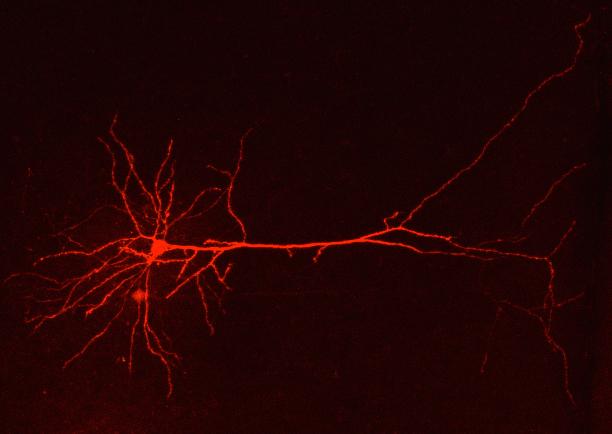
Credit: (Image: UZH)

Migraine is one of the most disabling disorders, affecting one in seven people and causing a tremendous social and economic burden. Several findings suggest that migraine is a disease affecting a large part of the central nervous system and characterized by a global dysfunction in sensory information processing and integration, which also occurs between migraine episodes (interictal period). For example, patients with migraine exhibit increased cortical responses to sensory stimuli during the interictal period. At present, the cellular mechanisms responsible for these alterations are largely unknown.

Malfunction of astrocytes in the cingulate cortex

A team of neuroscientists led by Mirko Santello at the Institute of Pharmacology and Toxicology of the University of Zurich, in collaboration with the University of Padua, has identified a new mechanism implicated in a special form of migraine caused by genetic mutation. They report that this familial hemiplegic migraine type 2 (FHM2) causes a malfunction of astrocytes in the cingulate cortex, a brain region that is involved in the feeling of pain. Astrocytes, specific star-shaped brain cells, are essential contributors to neuronal function and have a strong impact on brain circuits and behavior.

“Despite their abundance, astrocytes have been relatively overlooked by neuroscientists,” says Mirko Santello, last author of the study. Yet these cells are extremely important to clear transmitters released by neurons. In their study the researchers were able to show that in familial migraine the astrocytes cannot remove excessive transmitters released by neurons. “The impairment in astrocytic glutamate uptake in the cingulate cortex strongly enhances cortical dendritic excitability and thus enhances firing of the neurons,” Santello says.

Less migraine occurrence due to genetic manipulations

Furthermore, the study reported that the malfunction of the cingulate cortex also influences migraine occurrence. In a mouse model the researchers showed that the mice displayed increased sensitivity to head pain triggers. “By manipulating astrocytes in the cingulate cortex, we were able to reverse their dysfunction. This prevented an increase in head pain in mice carrying the genetic defect,” says Jennifer Romanos, first author of the study.

Migraine is a complicated disorder that affects part of the nervous system. “Our results provide a clear example of how astrocyte dysfunction produced by a genetic defect affects neuronal activity and sensitivity to head pain triggers,” explains Mirko Santello. The findings help to better understand migraine pathophysiology and suggest that the cingulate cortex may represent a critical hub in the disease. The demonstration of the link between dysfunction of astrocytes in the cingulate cortex and familial migraine could help in devising new migraine treatment strategies.

###

Media Contact
Dr. Mirko Santello
[email protected]

Original Source

https://www.media.uzh.ch/en/Press-Releases/2020/Familial-Migraine.htmlhttp://

Related Journal Article

http://dx.doi.org/10.1126/sciadv.aaz1584

Tags: DiagnosticsMedicine/HealthneurobiologyNeurochemistryPainPhysiologyPublic Health
Share12Tweet8Share2ShareShareShare2

Related Posts

Miniature Sensor Uses Light to Detect Touch — Chemistry

Miniature Sensor Uses Light to Detect Touch

May 8, 2026
Iron Minerals Determine Whether Dissolved Organic Matter Fuels Microbes or Becomes Long-Term Carbon Storage — Chemistry

Iron Minerals Determine Whether Dissolved Organic Matter Fuels Microbes or Becomes Long-Term Carbon Storage

May 8, 2026

Kate Evans Appointed Associate Lab Director for Biological and Environmental Systems Science at ORNL

May 8, 2026

Advancing Multiscale Modeling and Overcoming Operational Challenges in Autothermal COâ‚‚-to-Methanol Reactors

May 8, 2026
Please login to join discussion

POPULAR NEWS

  • Research Indicates Potential Connection Between Prenatal Medication Exposure and Elevated Autism Risk

    840 shares
    Share 336 Tweet 210
  • New Study Reveals Plants Can Detect the Sound of Rain

    727 shares
    Share 290 Tweet 181
  • Scientists Investigate Possible Connection Between COVID-19 and Increased Lung Cancer Risk

    68 shares
    Share 27 Tweet 17
  • Salmonella Haem Blocks Macrophages, Boosts Infection

    61 shares
    Share 24 Tweet 15

About

We bring you the latest biotechnology news from best research centers and universities around the world. Check our website.

Follow us

Recent News

Evaluating Digoxin Use in Patients with Symptomatic Rheumatic Heart Disease

Evaluating the Effectiveness and Safety of Digitalis Glycosides in Treating Heart Failure

Urdu Fall Risk Questionnaire Adapted for Elderly

Subscribe to Blog via Email

Success! An email was just sent to confirm your subscription. Please find the email now and click 'Confirm' to start subscribing.

Join 82 other subscribers
  • Contact Us

Bioengineer.org © Copyright 2023 All Rights Reserved.

Welcome Back!

Login to your account below

Forgotten Password?

Retrieve your password

Please enter your username or email address to reset your password.

Log In
No Result
View All Result
  • Homepages
    • Home Page 1
    • Home Page 2
  • News
  • National
  • Business
  • Health
  • Lifestyle
  • Science

Bioengineer.org © Copyright 2023 All Rights Reserved.