• HOME
  • NEWS
  • EXPLORE
    • CAREER
      • Companies
      • Jobs
    • EVENTS
    • iGEM
      • News
      • Team
    • PHOTOS
    • VIDEO
    • WIKI
  • BLOG
  • COMMUNITY
    • FACEBOOK
    • INSTAGRAM
    • TWITTER
Tuesday, July 7, 2026
BIOENGINEER.ORG
No Result
View All Result
  • Login
  • HOME
  • NEWS
  • EXPLORE
    • CAREER
      • Companies
      • Jobs
        • Lecturer
        • PhD Studentship
        • Postdoc
        • Research Assistant
    • EVENTS
    • iGEM
      • News
      • Team
    • PHOTOS
    • VIDEO
    • WIKI
  • BLOG
  • COMMUNITY
    • FACEBOOK
    • INSTAGRAM
    • TWITTER
  • HOME
  • NEWS
  • EXPLORE
    • CAREER
      • Companies
      • Jobs
        • Lecturer
        • PhD Studentship
        • Postdoc
        • Research Assistant
    • EVENTS
    • iGEM
      • News
      • Team
    • PHOTOS
    • VIDEO
    • WIKI
  • BLOG
  • COMMUNITY
    • FACEBOOK
    • INSTAGRAM
    • TWITTER
No Result
View All Result
Bioengineer.org
No Result
View All Result
Home NEWS Science News Biology

Successful MERS vaccine in mice may hold promise for COVID-19 vaccine

Bioengineer by Bioengineer
April 7, 2020
in Biology
Reading Time: 3 mins read
0
IMAGE
Share on FacebookShare on TwitterShare on LinkedinShare on RedditShare on Telegram

IMAGE

Credit: NIH

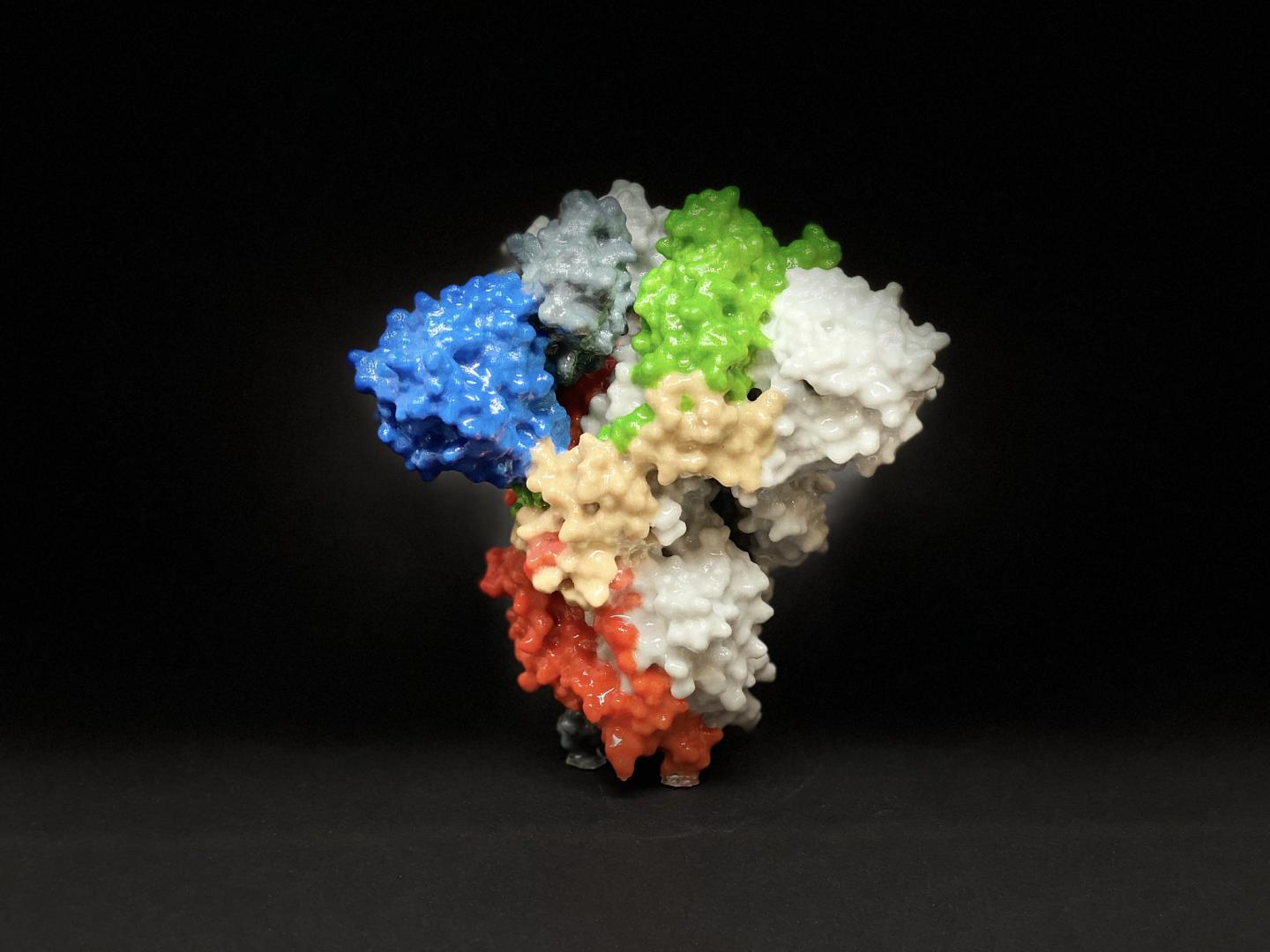
Researchers at the University of Iowa and the University of Georgia have developed a vaccine that fully protects mice against a lethal dose of MERS, a close cousin of the SARS-CoV2 coronavirus that causes COVID-19.

The vaccine uses a harmless virus to deliver a MERS coronavirus protein into cells to generate an immune response, and may hold promise for developing vaccines against other coronaviruses diseases, including COVID-19.

The team led by Paul McCray, MD, at the UI Carver College of Medicine, and Biao He, PhD, at the University of Georgia College of Veterinary Medicine, tested a MERS vaccine candidate in mice engineered to be susceptible to the MERS coronavirus. The vaccine is an innocuous parainfluenza virus (PIV5) carrying the “spike” protein that MERS uses to infect cells. All the vaccinated mice survived a lethal dose of the MERS coronavirus. The results of the study were published April 7 in the journal mBio.

“Our new study indicates that PIV5 may be a useful vaccine platform for emerging coronavirus diseases, including SARS-CoV-2, the virus causing the ongoing COVID-19 pandemic,” says McCray, UI professor of pediatrics. “Using the same strategy, vaccine candidates based on PIV5 expressing the spike protein of SARS-CoV-2 have been generated. We are planning more studies in animals to test the ability of PIV5-based vaccines in preventing disease caused by SARS-CoV-2.”

MERS (Middle East Respiratory Syndrome) and COVID-19 are both caused by coronaviruses. MERS is deadlier and is fatal in about one third of known cases, but there have been only 2,494 cases since 2012, when the virus first emerged. In contrast, there have been over 1.25 million confirmed cases of COVID-19 worldwide since it first emerged in late 2019 in Wuhan, China, and almost 70,000 people have died from the disease.

The study found that just one, relatively low dose of the vaccine given to the mice intranasally (inhaled through the nose) was sufficient to fully protect all the treated mice from a lethal dose of MERS coronavirus.

When the researchers analyzed the immune responses generated by the vaccine, they found that both antibodies and protective T cells were produced. However, the antibody response was quite weak and it seems most likely that the vaccine’s protective effect is due to the T cell response in the mouse lungs.

The researchers note several factors that make PIV5 expressing a coronavirus spike protein an appealing platform for vaccine development against emerging coronaviruses. First, PIV5 can infect many different mammals, including humans, without causing disease. PIV5 is also being investigated as a vaccine for other respiratory diseases including respiratory syncytial virus (RSV) and influenza. Second, the fact that a low dose of the vaccine was sufficient to protect the mice might be beneficial for creating enough vaccine for mass immunization. And finally, the vaccine in the current study was the most effective MERS vaccine to date in animal models of the disease.

###

In addition to McCray, who also holds an appointment the UI Department of Microbiology and Immunology, and He, who is a professor of infectious disease at the University of Georgia, the research team included Kun Li, Christine Wohlford-Lenane, David Meyerholz, Rudragouda Channappanavar, and Stanley Perlman at the UI; and Zhuo Li and Dong An at the University of Georgia.

The research was funded in part by grants from the National Institutes of Health and the Cystic Fibrosis Foundation. McCray is supported by the Roy J. Carver Charitable Trust. Biao He is supported by endowment of Fred C. Davison Distinguished University Chair in Veterinary Medicine.

Media Contact
Jennifer Brown
[email protected]

Related Journal Article

http://dx.doi.org/10.1128/mBio.00554-20

Tags: Infectious/Emerging DiseasesMedicine/HealthVaccinesVirology
Share12Tweet8Share2ShareShareShare2

Related Posts

Here are a few rewritten headlines for a science magazine post, each with a slightly different tone: Intriguing & poetic: How do organs sculpt themselves? Sea stars hold the secret Direct & research-focused: Sea stars reveal the hidden rules of organ formation Metaphorical & inviting: Tiny architects beneath the waves: What sea stars teach us about building organs Short & punchy: Star-shaped clues to how our organs take shape Question-led: Could a sea star show us how organs form? Elegant & feature-style: The body’s blueprint, glimpsed in a sea star’s arm

July 6, 2026
Bacteria evolve faster with unconventional gene copies — Biology

Bacteria evolve faster with unconventional gene copies

July 6, 2026

Neighbours rewire soil feedback via root microbiome shifts

July 6, 2026

Evolution-Inspired Biosensors Revolutionize Lipid Tracking in Real Time

July 2, 2026
Please login to join discussion

POPULAR NEWS

  • Detection of EDCs in Breast Milk and Infant Urine Up to Six Months Highlights Early Exposure Risks

    77 shares
    Share 31 Tweet 19
  • New Drug Candidate Developed at McMaster Shows Potential for Treating Brain Cancer

    58 shares
    Share 23 Tweet 15
  • Saying Goodbye to PGY-6: Pediatric Fellowship Realities

    103 shares
    Share 41 Tweet 26
  • KTU Researchers Explore Ultrasound’s Role in Enhancing Blood Flow Beyond Diagnostics

    53 shares
    Share 21 Tweet 13

About

We bring you the latest biotechnology news from best research centers and universities around the world. Check our website.

Follow us

Recent News

Flame retardant BDE-209 targets molecularly linked to ulcerative colitis

Ultra-high frequency particle impacts mimic rockbursts to shatter hard rock

Kidney transplant outcomes in older adults studied by German researchers

Subscribe to Blog via Email

Enter your email address to subscribe to this blog and receive notifications of new posts by email.

Join 83 other subscribers
  • Contact Us

Bioengineer.org © Copyright 2023 All Rights Reserved.

Welcome Back!

Login to your account below

Forgotten Password?

Retrieve your password

Please enter your username or email address to reset your password.

Log In
No Result
View All Result
  • Homepages
    • Home Page 1
    • Home Page 2
  • News
  • National
  • Business
  • Health
  • Lifestyle
  • Science

Bioengineer.org © Copyright 2023 All Rights Reserved.