• HOME
  • NEWS
  • EXPLORE
    • CAREER
      • Companies
      • Jobs
    • EVENTS
    • iGEM
      • News
      • Team
    • PHOTOS
    • VIDEO
    • WIKI
  • BLOG
  • COMMUNITY
    • FACEBOOK
    • INSTAGRAM
    • TWITTER
Friday, December 5, 2025
BIOENGINEER.ORG
No Result
View All Result
  • Login
  • HOME
  • NEWS
  • EXPLORE
    • CAREER
      • Companies
      • Jobs
        • Lecturer
        • PhD Studentship
        • Postdoc
        • Research Assistant
    • EVENTS
    • iGEM
      • News
      • Team
    • PHOTOS
    • VIDEO
    • WIKI
  • BLOG
  • COMMUNITY
    • FACEBOOK
    • INSTAGRAM
    • TWITTER
  • HOME
  • NEWS
  • EXPLORE
    • CAREER
      • Companies
      • Jobs
        • Lecturer
        • PhD Studentship
        • Postdoc
        • Research Assistant
    • EVENTS
    • iGEM
      • News
      • Team
    • PHOTOS
    • VIDEO
    • WIKI
  • BLOG
  • COMMUNITY
    • FACEBOOK
    • INSTAGRAM
    • TWITTER
No Result
View All Result
Bioengineer.org
No Result
View All Result
Home NEWS Science News Biology

Litter problem at England’s protected coasts

Bioengineer by Bioengineer
April 7, 2020
in Biology
Reading Time: 3 mins read
0
IMAGE
Share on FacebookShare on TwitterShare on LinkedinShare on RedditShare on Telegram

IMAGE

Credit: Marine Conservation Society

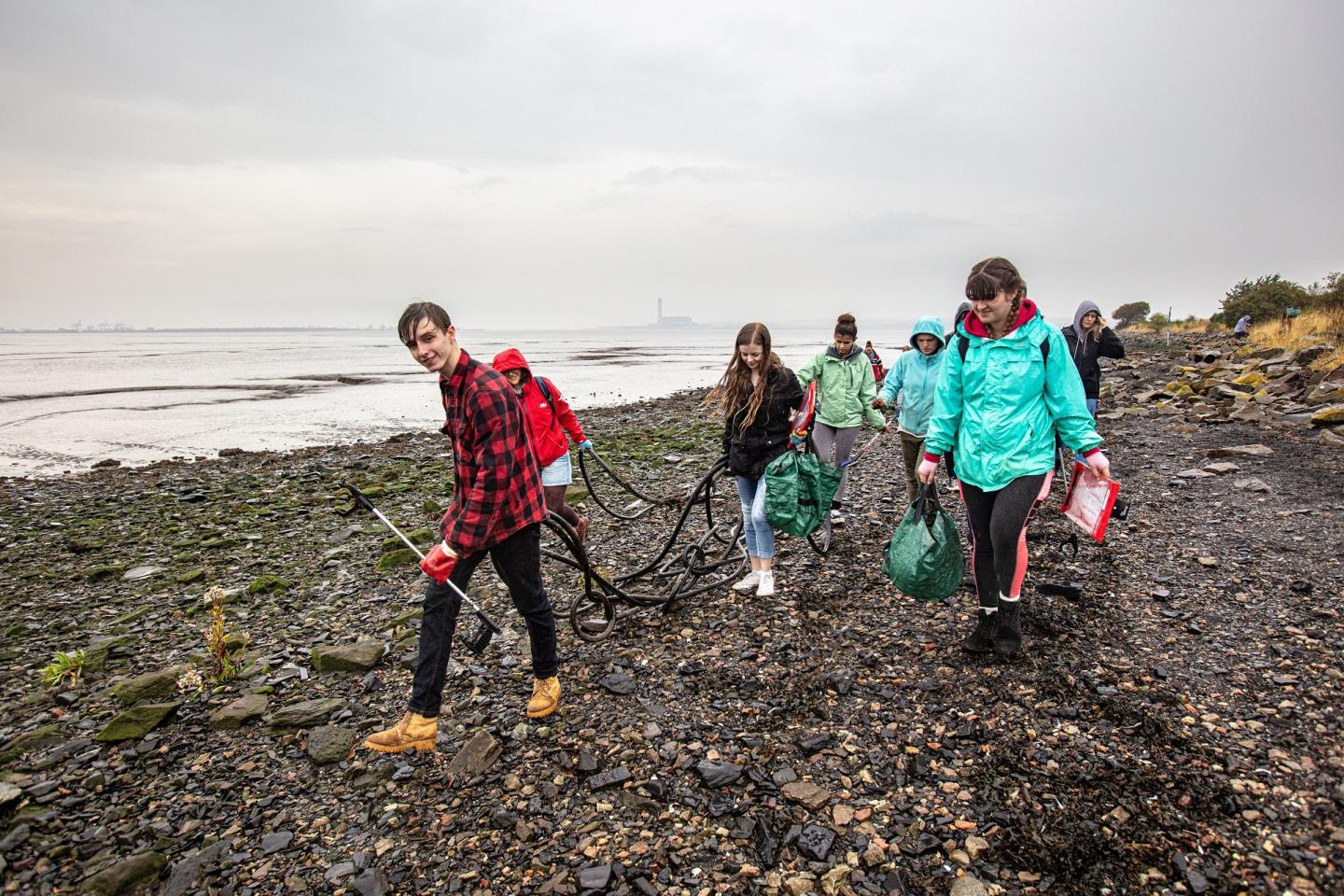
Beaches in or near England’s Marine Protected Areas (MPAs) have the same levels of litter as those in unprotected areas, new research shows.

The study, by the University of Exeter, Natural England and the Marine Conservation Society, found “no difference” in the amount of anthropogenic (caused by humans) litter present inside and outside MPAs.

These MPAs include the 91 Marine Conservation Zones established from 2009 onwards, 256 Special Areas of Conservation (SACs) and 89 Special Protection Areas (for birds).

Plastic was the main form of litter found, and “public littering” the most common identifiable source.

The study, which used data from Marine Conservation Society beach cleans, found MPAs in the South East (Kent) and South West (Cornwall and Devon) had the highest levels of shore-based litter.

Regional differences in the items found – such as fishing materials in the South West and debris from sewage around large rivers – demonstrate the need for “locally appropriate management”, the researchers say.

“Our work has found that MPAs, which often contain sensitive marine habitats and species, are exposed to litter much in the same way as non-protected sites,” said Dr Sarah Nelms, of the University of Exeter.

“MPAs have no physical boundaries so, to protect them from any potential impacts of litter, we need to take a whole-system approach and reduce the overall amount of litter being released into the environment.

“We also need a coordinated approach that considers local nuances, tackling sources of litter that cause specific problems in certain areas.”

The study used 25 years of beach clean data collected by Marine Conservation Society volunteers.

Dr Hazel Selley, Marine Specialist from Natural England who commissioned the work, said: “A clean, healthy and biologically diverse marine environment is immensely valuable, for the economy in coastal communities, for our charismatic wildlife and – once we can travel again – for the mental well-being benefits of spending time by the sea.

“This research sheds a light on how marine plastic pollution respects no boundaries.

“As we continue to research the impact of plastics on our marine life and move to eliminate avoidable plastic waste, it’s also clear is that we all have a role to play keeping our beaches and ocean clean.”

Lauren Eyles, from the Marine Conservation Society, said: “The types of litter that were found are typical of those regularly picked up and recorded by our dedicated volunteers.

“What this study highlights is how long-term data from Beachwatch can provide vital evidence in helping to understand the problem, and that MPAs don’t necessarily protect important habitats and species; an even more powerful message to stop litter at source.”

###

The study was funded by Natural England and ExeMPLaR, a multidisciplinary plastics research hub led by the University of Exeter.

The paper, published in the journal Environmental Pollution, is entitled: “Investigating the distribution and regional occurrence of anthropogenic litter in English Marine Protected Areas using 25 years of citizen-science beach clean.”

Media Contact
Alex Morrison
[email protected]

Related Journal Article

http://dx.doi.org/10.1016/j.envpol.2020.114365

Tags: BiologyEcology/EnvironmentFisheries/AquacultureMarine/Freshwater BiologyOceanographyPollution/RemediationPopulation Biology
Share12Tweet8Share2ShareShareShare2

Related Posts

blank

Rice miRNA: Key Regulator in Fungal Interactions

December 3, 2025
Human Impact Alters Leopard and Ungulate Dynamics

Human Impact Alters Leopard and Ungulate Dynamics

December 3, 2025

Adaptive Microsatellite Variants in Indian Yak Populations

December 2, 2025

Guide to Single-Cell RNA Transcriptomics Unveiled

December 2, 2025
Please login to join discussion

POPULAR NEWS

  • New Research Unveils the Pathway for CEOs to Achieve Social Media Stardom

    New Research Unveils the Pathway for CEOs to Achieve Social Media Stardom

    204 shares
    Share 82 Tweet 51
  • Scientists Uncover Chameleon’s Telephone-Cord-Like Optic Nerves, A Feature Missed by Aristotle and Newton

    121 shares
    Share 48 Tweet 30
  • Neurological Impacts of COVID and MIS-C in Children

    107 shares
    Share 43 Tweet 27
  • MoCK2 Kinase Shapes Mitochondrial Dynamics in Rice Fungal Pathogen

    69 shares
    Share 28 Tweet 17

About

We bring you the latest biotechnology news from best research centers and universities around the world. Check our website.

Follow us

Recent News

Boosting Cancer Immunotherapy by Targeting DNA Repair

Evaluating eGFR Equations in Chinese Children

Metformin-Alogliptin Combo vs. Monotherapy in Diabetes

Subscribe to Blog via Email

Success! An email was just sent to confirm your subscription. Please find the email now and click 'Confirm' to start subscribing.

Join 69 other subscribers
  • Contact Us

Bioengineer.org © Copyright 2023 All Rights Reserved.

Welcome Back!

Login to your account below

Forgotten Password?

Retrieve your password

Please enter your username or email address to reset your password.

Log In
No Result
View All Result
  • Homepages
    • Home Page 1
    • Home Page 2
  • News
  • National
  • Business
  • Health
  • Lifestyle
  • Science

Bioengineer.org © Copyright 2023 All Rights Reserved.