• HOME
  • NEWS
  • EXPLORE
    • CAREER
      • Companies
      • Jobs
    • EVENTS
    • iGEM
      • News
      • Team
    • PHOTOS
    • VIDEO
    • WIKI
  • BLOG
  • COMMUNITY
    • FACEBOOK
    • INSTAGRAM
    • TWITTER
Tuesday, October 6, 2026
BIOENGINEER.ORG
No Result
View All Result
  • Login
  • HOME
  • NEWS
  • EXPLORE
    • CAREER
      • Companies
      • Jobs
        • Lecturer
        • PhD Studentship
        • Postdoc
        • Research Assistant
    • EVENTS
    • iGEM
      • News
      • Team
    • PHOTOS
    • VIDEO
    • WIKI
  • BLOG
  • COMMUNITY
    • FACEBOOK
    • INSTAGRAM
    • TWITTER
  • HOME
  • NEWS
  • EXPLORE
    • CAREER
      • Companies
      • Jobs
        • Lecturer
        • PhD Studentship
        • Postdoc
        • Research Assistant
    • EVENTS
    • iGEM
      • News
      • Team
    • PHOTOS
    • VIDEO
    • WIKI
  • BLOG
  • COMMUNITY
    • FACEBOOK
    • INSTAGRAM
    • TWITTER
No Result
View All Result
Bioengineer.org
No Result
View All Result
Home NEWS Science News

Research identifies barriers to development of seawater electrolysis technologies

Bioengineer by Bioengineer
February 19, 2020
in Science News
Reading Time: 2 mins read
0
IMAGE
Share on FacebookShare on TwitterShare on LinkedinShare on RedditShare on Telegram

IMAGE

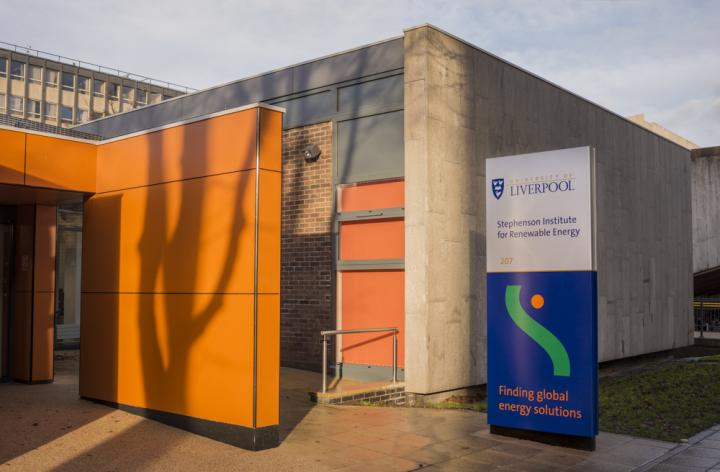
Credit: University of Liverpool


Researchers at the University Of Liverpool, in collaboration with NUI Galway and TU Berlin, have identified the key technological and scientific challenges of producing hydrogen through seawater electrolysis.

In an article published in Nature Energy, researchers assessed the various issues hindering the development of electrolyser technologies capable of carrying out direct water electrolysis using low grade water, such as seawater, as opposed to ultrapure water.

Generating hydrogen using saline water electrolysis provides an attractive route towards energy sustainability. Hydrogen is a clean and storable fuel which provides a viable fuel option for transport amongst other uses, and would be highly beneficial for coastal, rural and offshore installations.

Researchers undertook a review of recent developments in the field of saline water electrolysis and examined the challenges in the design of electrolysers.

They found there was an urgent need for new catalysts and electrode materials that can overcome the competition between chlorine chemistry and water oxidation in seawater.

Whilst some progress has been made towards this goal in recent years, long-term stability and selectivity has not been achieved.

They also identified a real need for standardisation of testing conditions to ensure that meaningful comparisons between those materials discovered can be made.

Professor Alex Cowan from the University of Liverpool’s Stephenson Institute for Renewable Energy, said: “This paper, which is an important part of the SEAFUEL project, identifies the key issues and critical barriers hindering the development of seawater electrolysis for hydrogen production.

“There is a strong need for further research programmes, such as those being delivered in the labs at Liverpool, Galway and Berlin, to overcome these challenges

“It is clear that an urgent need exists for new advanced electrode materials and catalysts and at Liverpool we have exciting research to directly address this issue which is beginning to deliver chloride tolerant catalysts.”

The research at Liverpool and Galway was funded by the SEAFUEL (Sustainable integration of renewable fuels in local transportation) project which aims to demonstrate the feasibility of powering local transportation using fuels produced by renewable energy and seawater, with no net carbon footprint.

###

Funded by the European Regional Development Fund (ERDF) programme, the SEAFUEL project includes: technical innovation by a demonstration electrolyser and H2 refueler; a framework for policy implementation; and a sustainability analysis of production, distribution and usage of hydrogen as an alternative fuel in remote Atlantic regions. Further information on SEAFUEL can be found here.

The University of Liverpool’s Stephenson Institute for Renewable Energy (SIRE) is a specialist energy materials research institute, focusing on the physics and chemistry that will transform the future of energy generation, storage, transmission and energy efficiency. Further information on SIRE can be found here.

The article `Electrolysis of low-grade and saline surface water’ (doi: 10.1038/s41560-020-0550-8) is published in Nature Energy

Media Contact
Sarah Stamper
[email protected]
01-517-943-044

Related Journal Article

http://dx.doi.org/10.1038/s41560-020-0550-8

Tags: Chemistry/Physics/Materials SciencesIndustrial Engineering/ChemistryMaterials
Share12Tweet8Share2ShareShareShare2

Related Posts

Late HIV Diagnosis Persists in Morocco as TB Coinfection and Early Deaths Mount

Late HIV Diagnosis Persists in Morocco as TB Coinfection and Early Deaths Mount

October 6, 2026
Scientists Redesign Naproxen in Silico to Beat Its Own Side Effects

Scientists Redesign Naproxen in Silico to Beat Its Own Side Effects

October 6, 2026

Spiny Wild Cucumber Found in Tiny Assam Sanctuary Becomes New State Record

October 6, 2026

AI Reads Brain Scans Two Ways at Once to Gauge Neurological Disease Severity

October 6, 2026
Please login to join discussion

POPULAR NEWS

  • Alloys That Shrink Their Own Grains: New PIX Mechanism Refines Metals With Heat Alone

    Alloys That Shrink Their Own Grains: New PIX Mechanism Refines Metals With Heat Alone

    29 shares
    Share 12 Tweet 7
  • Endurance Exercise Reshapes the Liver in Males and Females Through Distinct Molecular Routes

    29 shares
    Share 12 Tweet 7
  • Single Transcription Factor PU.1 Rapidly Converts Fibroblasts into Macrophage-Lineage Cells

    29 shares
    Share 12 Tweet 7
  • New Scale Measures How Ready Nurse Educators Really Are for the AI Era

    29 shares
    Share 12 Tweet 7

About

We bring you the latest biotechnology news from best research centers and universities around the world. Check our website.

Follow us

Recent News

Alloys That Shrink Their Own Grains: New PIX Mechanism Refines Metals With Heat Alone

Endurance Exercise Reshapes the Liver in Males and Females Through Distinct Molecular Routes

Single Transcription Factor PU.1 Rapidly Converts Fibroblasts into Macrophage-Lineage Cells

Subscribe to Blog via Email

Success! An email was just sent to confirm your subscription. Please find the email now and click 'Confirm' to start subscribing.

Join 85 other subscribers
  • Contact Us

Bioengineer.org © Copyright 2023 All Rights Reserved.

Welcome Back!

Login to your account below

Forgotten Password?

Retrieve your password

Please enter your username or email address to reset your password.

Log In
No Result
View All Result
  • Homepages
    • Home Page 1
    • Home Page 2
  • News
  • National
  • Business
  • Health
  • Lifestyle
  • Science

Bioengineer.org © Copyright 2023 All Rights Reserved.