• HOME
  • NEWS
  • EXPLORE
    • CAREER
      • Companies
      • Jobs
    • EVENTS
    • iGEM
      • News
      • Team
    • PHOTOS
    • VIDEO
    • WIKI
  • BLOG
  • COMMUNITY
    • FACEBOOK
    • INSTAGRAM
    • TWITTER
Sunday, August 16, 2026
BIOENGINEER.ORG
No Result
View All Result
  • Login
  • HOME
  • NEWS
  • EXPLORE
    • CAREER
      • Companies
      • Jobs
        • Lecturer
        • PhD Studentship
        • Postdoc
        • Research Assistant
    • EVENTS
    • iGEM
      • News
      • Team
    • PHOTOS
    • VIDEO
    • WIKI
  • BLOG
  • COMMUNITY
    • FACEBOOK
    • INSTAGRAM
    • TWITTER
  • HOME
  • NEWS
  • EXPLORE
    • CAREER
      • Companies
      • Jobs
        • Lecturer
        • PhD Studentship
        • Postdoc
        • Research Assistant
    • EVENTS
    • iGEM
      • News
      • Team
    • PHOTOS
    • VIDEO
    • WIKI
  • BLOG
  • COMMUNITY
    • FACEBOOK
    • INSTAGRAM
    • TWITTER
No Result
View All Result
Bioengineer.org
No Result
View All Result
Home NEWS Science News Health

Your DNA is not your destiny — or a good predictor of your health

Bioengineer by Bioengineer
December 19, 2019
in Health
Reading Time: 2 mins read
0
IMAGE
Share on FacebookShare on TwitterShare on LinkedinShare on RedditShare on Telegram

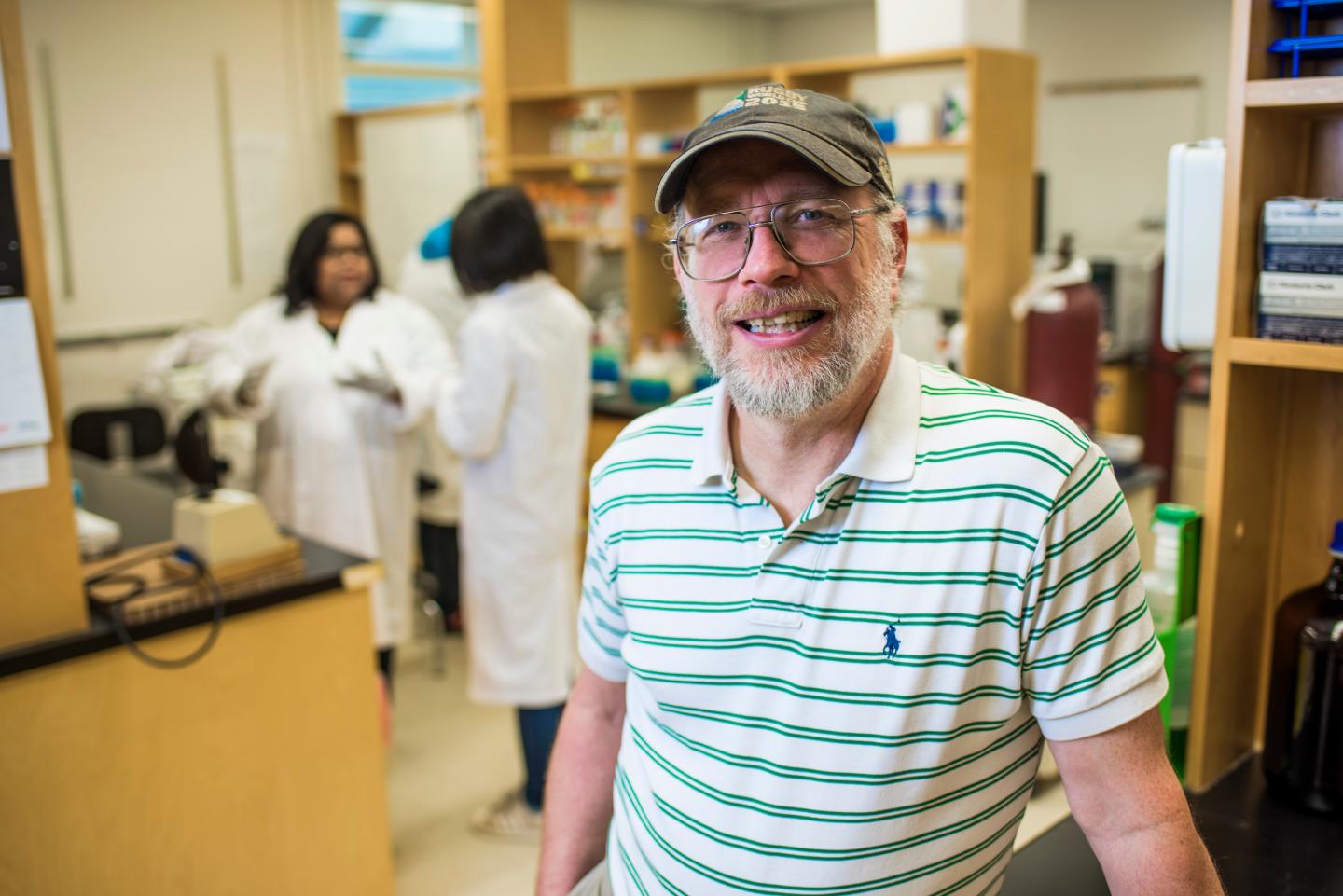
New study from the University of Alberta suggests that diseases such as many cancers, diabetes, and Alzheimer’s have a genetic contribution of 5 to 10 per cent at most
IMAGE

Credit: John Ulan

In most cases, your genes have less than five per cent to do with your risk of developing a particular disease, according to new research by University of Alberta scientists.

In the largest meta-analysis ever conducted, scientists have examined two decades of data from studies that examine the relationships between common gene mutations, also known as single nucleotide polymorphisms (SNPs), and different diseases and conditions. And the results show that the links between most human diseases and genetics are shaky at best.

“Simply put, DNA is not your destiny, and SNPs are duds for disease prediction,” said David Wishart, professor in the University of Alberta’s Department of Biological Sciences and the Department of Computing Science and co-author on the study. “The vast majority of diseases, including many cancers, diabetes, and Alzheimer’s disease, have a genetic contribution of 5 to 10 per cent at best.”

The study also highlights some notable exceptions, including Crohn’s disease, celiac disease, and macular degeneration, which have a genetic contribution of approximately 40 to 50 per cent.

“Despite these rare exceptions, it is becoming increasingly clear that the risks for getting most diseases arise from your metabolism, your environment, your lifestyle, or your exposure to various kinds of nutrients, chemicals, bacteria, or viruses,” explained Wishart.

Wishart and his research collaborators suggest that measuring metabolites, chemicals, proteins, or the microbiome provides a much more accurate measure of human disease risk and are also more accurate for diagnosis. The findings fly in the face of many modern gene testing businesses models, which suggest that gene testing can accurately predict someone’s risk for disease.

“The bottom line is that if you want to have an accurate measure of your health, your propensity for disease or what you can do about it, it’s better to measure your metabolites, your microbes or your proteins–not your genes,” added Wishart. “This research also highlights the need to understand our environment and the safety or quality of our food, air, and water.”

###

The paper, “Assessing the performance of genome-wide association studies for predicting disease risk,” was published in PLOS ONE (doi: 10.1371/journal.pone.0220215).

Media Contact
Katie Willis
[email protected]
780-267-0880

Original Source

https://www.ualberta.ca/science/news/2019/december/genetic-disease-health

Related Journal Article

http://dx.doi.org/10.1371/journal.pone.0220215

Tags: AlzheimercancerGeneticsMedicine/HealthMetabolism/Metabolic Diseases
Share12Tweet8Share2ShareShareShare2

Related Posts

PARP1 Drives Neuropathic Pain Through GPX4-Dependent Ferroptosis in Injured Mice’s Sensory Neurons

August 15, 2026

Genome-wide skin pQTL map reveals genetic regulators and mechanisms underlying skin disorders

August 15, 2026

Levistilide A Drives Ferroptosis via RNF40-HSP90α Axis, Suppressing Colorectal Cancer Lung Metastasis

August 15, 2026

Sintilimab, IBI305, and Chemotherapy Show Promise in First-Line Advanced Gastric and GEJ Adenocarcinoma

August 15, 2026
Please login to join discussion

POPULAR NEWS

  • KAIST develops semiconductor neuron that harnesses noise to selectively process signals

    29 shares
    Share 12 Tweet 7
  • Imagining natural and extra robotic thumbs together strengthens kinesthetic sensorimotor networks

    29 shares
    Share 12 Tweet 7
  • PARP1 Drives Neuropathic Pain Through GPX4-Dependent Ferroptosis in Injured Mice’s Sensory Neurons

    29 shares
    Share 12 Tweet 7
  • Strubbelig–NHL3 Receptor Complex Helps Arabidopsis Respond to Cellulose Deficiency

    29 shares
    Share 12 Tweet 7

About

We bring you the latest biotechnology news from best research centers and universities around the world. Check our website.

Follow us

Recent News

KAIST develops semiconductor neuron that harnesses noise to selectively process signals

Imagining natural and extra robotic thumbs together strengthens kinesthetic sensorimotor networks

PARP1 Drives Neuropathic Pain Through GPX4-Dependent Ferroptosis in Injured Mice’s Sensory Neurons

Subscribe to Blog via Email

Success! An email was just sent to confirm your subscription. Please find the email now and click 'Confirm' to start subscribing.

Join 85 other subscribers
  • Contact Us

Bioengineer.org © Copyright 2023 All Rights Reserved.

Welcome Back!

Login to your account below

Forgotten Password?

Retrieve your password

Please enter your username or email address to reset your password.

Log In
No Result
View All Result
  • Homepages
    • Home Page 1
    • Home Page 2
  • News
  • National
  • Business
  • Health
  • Lifestyle
  • Science

Bioengineer.org © Copyright 2023 All Rights Reserved.