• HOME
  • NEWS
  • EXPLORE
    • CAREER
      • Companies
      • Jobs
    • EVENTS
    • iGEM
      • News
      • Team
    • PHOTOS
    • VIDEO
    • WIKI
  • BLOG
  • COMMUNITY
    • FACEBOOK
    • INSTAGRAM
    • TWITTER
Saturday, May 30, 2026
BIOENGINEER.ORG
No Result
View All Result
  • Login
  • HOME
  • NEWS
  • EXPLORE
    • CAREER
      • Companies
      • Jobs
        • Lecturer
        • PhD Studentship
        • Postdoc
        • Research Assistant
    • EVENTS
    • iGEM
      • News
      • Team
    • PHOTOS
    • VIDEO
    • WIKI
  • BLOG
  • COMMUNITY
    • FACEBOOK
    • INSTAGRAM
    • TWITTER
  • HOME
  • NEWS
  • EXPLORE
    • CAREER
      • Companies
      • Jobs
        • Lecturer
        • PhD Studentship
        • Postdoc
        • Research Assistant
    • EVENTS
    • iGEM
      • News
      • Team
    • PHOTOS
    • VIDEO
    • WIKI
  • BLOG
  • COMMUNITY
    • FACEBOOK
    • INSTAGRAM
    • TWITTER
No Result
View All Result
Bioengineer.org
No Result
View All Result
Home NEWS Science News Biology

Zoo animal research skewed towards ‘popular’ species

Bioengineer by Bioengineer
October 31, 2019
in Biology
Reading Time: 3 mins read
0
IMAGE
Share on FacebookShare on TwitterShare on LinkedinShare on RedditShare on Telegram

IMAGE

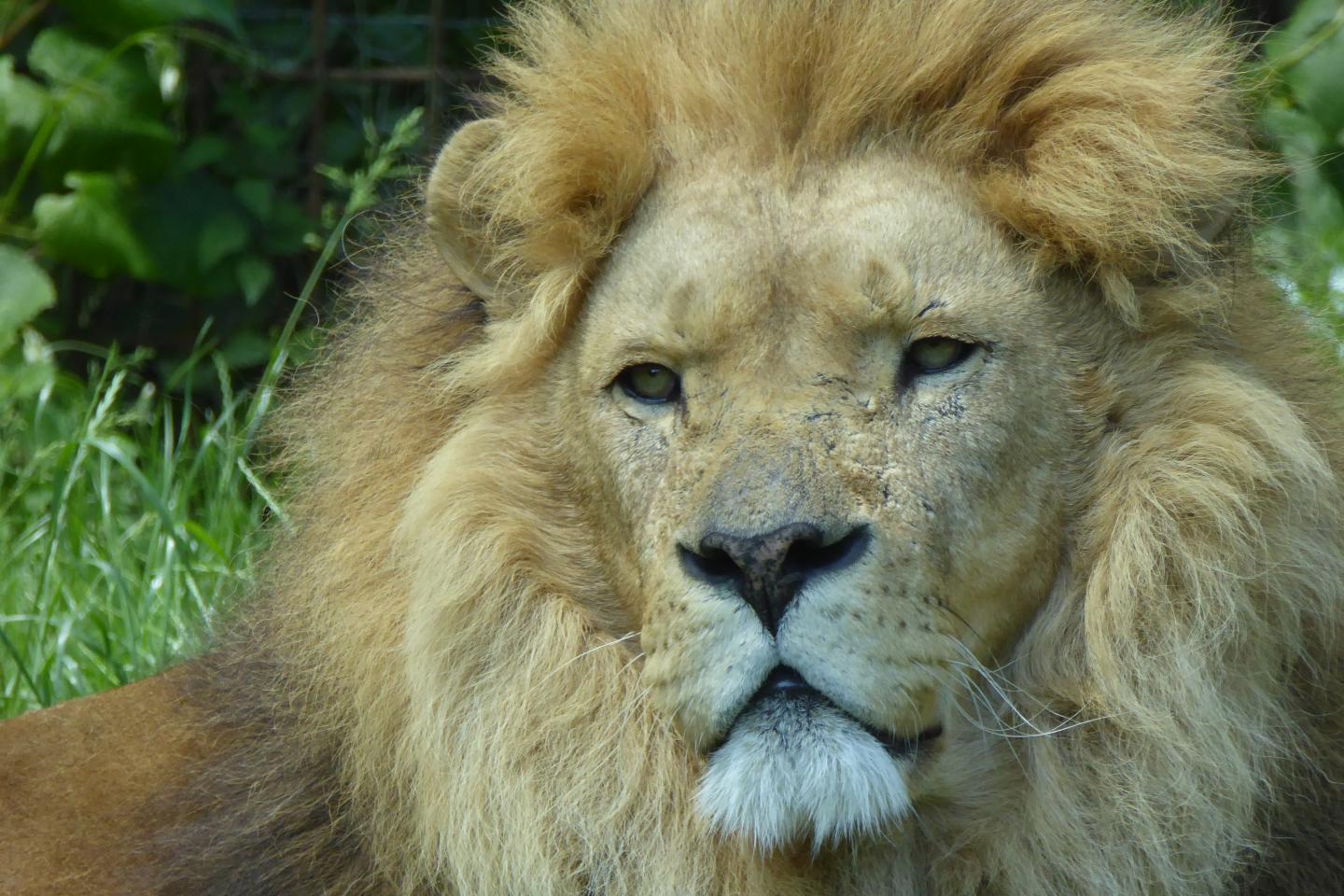
Credit: Paul Rose


Research on zoo animals focuses more on “familiar” species like gorillas and chimpanzees than less well known ones like the waxy monkey frog, scientists say.

Globally, fish and birds outnumber mammals, reptiles and amphibians in zoos – but the study says mammals are consistently the main focus of research on zoo-housed animals.

This “mammal bias” also exists in wider research, including in the wild, but lead author Dr Paul Rose, of the University of Exeter, says zoos offer wonderful opportunities to study other species.

The study looked at the last decade of research on zoo-housed animals, both by zoo staff and visiting scientists, and noted the growth and value of such studies.

“Some species, such as chimpanzees, are popular with scientists because we know a lot about them, they are accessible and humans can relate to them,” Dr Rose said.

“As well as being found in zoos, many of these species are relatively easy to find and study in the wild.

“By contrast, it would be hard to find a waxy monkey frog in the rainforest to conduct your research.

“Zoos offer us a fantastic opportunity to study a vast range of species, many of which would be very difficult to observe in their natural habitat.

“Our findings can teach us about conversation, animal health and how best to house them in zoos.

“Despite the mammal bias, the output from zoo research has diversified and zoo animals are being used to answer a whole range of important scientific questions relevant to our lives and their lives.”

The study also examined whether research on different animals tended to focus on different topics.

“Lots of mammal studies are about animal welfare, which is great, but we should also research the welfare of fish, birds and anything else we keep in zoos,” Dr Rose said.

“At the moment, we are publishing on the same few species, rather than broadening our scope.

“Obviously we have lots to learn about every species, but opportunities to study many other zoo-housed animals are currently being missed.”

Ten years ago, published research identified the need for studies about a range of species beyond much-loved animals such as elephants and primates.

The new study reviewed zoo-based research in the decade since this recommendation and concluded:

    – Zoo-focussed research output increased from the start to the end of this study.

    – Trends in species held by zoos are not reflected by trends in which species are studied.

    – Zoo-based research makes meaningful contributions to science. For example, it led to ground-breaking insights into the reproductive biology of the critically endangered Sumatran rhino.

    – Researchers should diversify both the species chosen and the aims of studies to address “persisting research gaps”.

###

The study was carried out by the University of Exeter, Sparsholt College, ZSL (Zoological Society of London), the University of Birmingham and the University of Winchester.

The paper, published in the journal Palgrave Communications, is entitled: “What’s new from the zoo? An analysis of ten years of zoo-themed research output.”

Media Contact
Alex Morrison
[email protected]
44-013-927-24828

Related Journal Article

http://dx.doi.org/10.1057/s41599-019-0345-3

Tags: BiodiversityBiologyEcology/EnvironmentMarine/Freshwater BiologyPopulation BiologyZoology/Veterinary Science
Share12Tweet8Share2ShareShareShare2

Related Posts

Ohio Wall Lizards Overcame Genetic Bottleneck Through Reproduction, Study Finds — Biology

Ohio Wall Lizards Overcame Genetic Bottleneck Through Reproduction, Study Finds

May 29, 2026
Double Agent Unveils Unexpected Revelations — Biology

Double Agent Unveils Unexpected Revelations

May 29, 2026

University of Toronto Scientists Work to Enhance Access to Advanced Research and Biomanufacturing Tools in Resource-Limited Areas

May 29, 2026

CLPTM1L Alters Lipid Rafts to Drive Glioblastoma Progression

May 29, 2026
Please login to join discussion

POPULAR NEWS

  • ESMO 2025: mRNA COVID Vaccines Enhance Efficacy of Cancer Immunotherapy

    319 shares
    Share 128 Tweet 80
  • Multi-Hospital Study Reveals Long Covid Burden Is Twice as High as Current Estimates

    80 shares
    Share 32 Tweet 20
  • Common Food Preservatives Associated with Elevated Blood Pressure and Increased Heart Disease Risk

    56 shares
    Share 22 Tweet 14
  • New Study Reveals Plants Can Detect the Sound of Rain

    736 shares
    Share 294 Tweet 184

About

We bring you the latest biotechnology news from best research centers and universities around the world. Check our website.

Follow us

Recent News

Reducing Chronic Health Risks in Childhood Cancer Survivors

Nanoparticles Silence CLYBL, Reprogram Macrophages, Protect Lungs

T-Cell Engager Shows Promise in Autoimmune Neuropathy

Subscribe to Blog via Email

Enter your email address to subscribe to this blog and receive notifications of new posts by email.

Join 82 other subscribers
  • Contact Us

Bioengineer.org © Copyright 2023 All Rights Reserved.

Welcome Back!

Login to your account below

Forgotten Password?

Retrieve your password

Please enter your username or email address to reset your password.

Log In
No Result
View All Result
  • Homepages
    • Home Page 1
    • Home Page 2
  • News
  • National
  • Business
  • Health
  • Lifestyle
  • Science

Bioengineer.org © Copyright 2023 All Rights Reserved.