• HOME
  • NEWS
  • EXPLORE
    • CAREER
      • Companies
      • Jobs
    • EVENTS
    • iGEM
      • News
      • Team
    • PHOTOS
    • VIDEO
    • WIKI
  • BLOG
  • COMMUNITY
    • FACEBOOK
    • INSTAGRAM
    • TWITTER
Sunday, December 21, 2025
BIOENGINEER.ORG
No Result
View All Result
  • Login
  • HOME
  • NEWS
  • EXPLORE
    • CAREER
      • Companies
      • Jobs
        • Lecturer
        • PhD Studentship
        • Postdoc
        • Research Assistant
    • EVENTS
    • iGEM
      • News
      • Team
    • PHOTOS
    • VIDEO
    • WIKI
  • BLOG
  • COMMUNITY
    • FACEBOOK
    • INSTAGRAM
    • TWITTER
  • HOME
  • NEWS
  • EXPLORE
    • CAREER
      • Companies
      • Jobs
        • Lecturer
        • PhD Studentship
        • Postdoc
        • Research Assistant
    • EVENTS
    • iGEM
      • News
      • Team
    • PHOTOS
    • VIDEO
    • WIKI
  • BLOG
  • COMMUNITY
    • FACEBOOK
    • INSTAGRAM
    • TWITTER
No Result
View All Result
Bioengineer.org
No Result
View All Result
Home NEWS Science News Immunology

Malaria could be felled by an Antarctic sea sponge

Bioengineer by Bioengineer
September 14, 2019
in Immunology
Reading Time: 2 mins read
0
IMAGE
Share on FacebookShare on TwitterShare on LinkedinShare on RedditShare on Telegram

IMAGE

Credit: Bill Baker

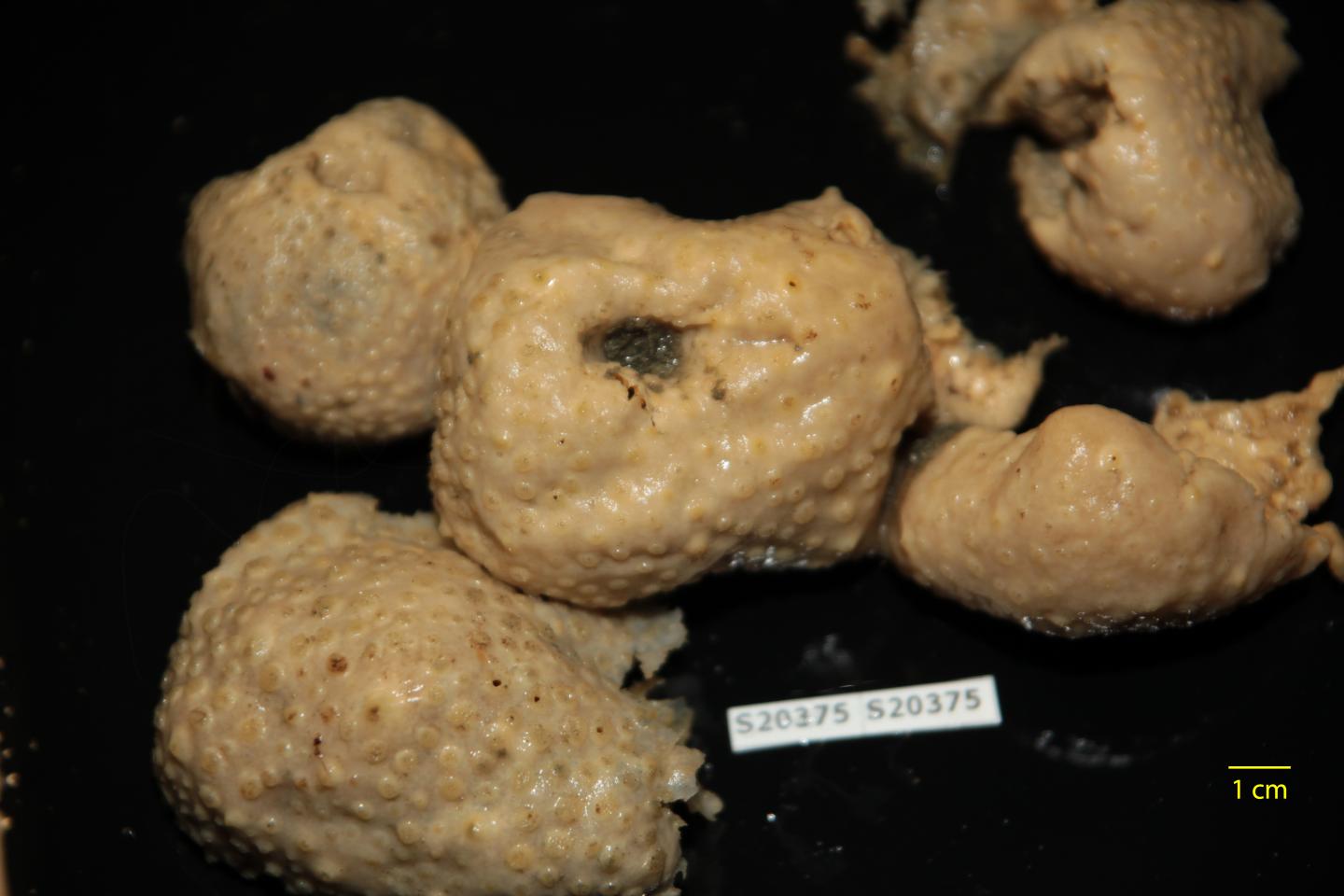
The frigid waters of the Antarctic may yield a treatment for a deadly disease that affects populations in some of the hottest places on earth. Current medications for that scourge — malaria — are becoming less effective as drug resistance spreads. But researchers report in ACS’ Journal of Natural Products that a peptide they isolated from an Antarctic sponge shows promise as a lead for new therapies.

Some 219 million cases of malaria were reported worldwide in 2017, according to the World Health Organization, with 435,000 people having died from the disease in that year. Symptoms begin with fever and chills, which can be followed by severe anemia, respiratory distress and organ failure. The parasite responsible for malaria is transmitted to people through mosquito bites. It spends some of its lifecycle first in the liver, where it reproduces, and then it moves into the blood. Conventional treatments based on artemisinin and its derivatives hold the parasite in check when it is in patients’ blood, but the parasites are increasingly becoming resistant to these medications. One solution is to attack the organism at an earlier stage in its lifecycle, when there are fewer parasites, and resistance might not have developed yet — namely, when it’s in the liver. In their search for a suitable pharmaceutical weapon, Bill J. Baker and colleagues turned to sponges, which rely on an array of chemical defenses to fight off predators.

The team screened a collection of natural products extracted from a Southern Ocean sponge known as Inflatella coelosphaeroides. One compound, which they dubbed friomaramide, blocked infection and development of the malaria parasite Plasmodium falciparum in liver cells in a culture dish as effectively as primaquine, one of the few existing liver-stage treatments. Friomaramide is also nontoxic to the liver cells themselves. The researchers determined that the compound is a linear peptide with a distinctive structure, which they say makes it a promising framework for producing new leads for malaria treatment.

###

The authors acknowledge funding from the National Science Foundation and University of South Florida.

The abstract that accompanies this study is available here.

The American Chemical Society, the world’s largest scientific society, is a not-for-profit organization chartered by the U.S. Congress. ACS is a global leader in providing access to chemistry-related information and research through its multiple databases, peer-reviewed journals and scientific conferences. ACS does not conduct research, but publishes and publicizes peer-reviewed scientific studies. Its main offices are in Washington, D.C., and Columbus, Ohio.

To automatically receive news releases from the American Chemical Society, contact [email protected].

Follow us: Twitter | Facebook

Media Contact
Katie Cottingham
[email protected]

Related Journal Article

http://dx.doi.org/10.1021/acs.jnatprod.9b00362

Tags: Cell BiologyChemistry/Physics/Materials SciencesDemographyDeveloping CountriesInfectious/Emerging DiseasesMarine/Freshwater BiologyParasitologyPublic HealthZoology/Veterinary Science
Share12Tweet8Share2ShareShareShare2

Related Posts

IMAGE

UMass Amherst grad student awarded fellowship for food allergy research

July 23, 2021
IMAGE

Less-sensitive COVID-19 tests may still achieve optimal results if enough people tested

July 22, 2021

Public trust in CDC, FDA, and Fauci holds steady, survey shows

July 20, 2021

USC study shows male-female differences in immune cell function

July 19, 2021
Please login to join discussion

POPULAR NEWS

  • Nurses’ Views on Online Learning: Effects on Performance

    Nurses’ Views on Online Learning: Effects on Performance

    70 shares
    Share 28 Tweet 18
  • NSF funds machine-learning research at UNO and UNL to study energy requirements of walking in older adults

    71 shares
    Share 28 Tweet 18
  • Unraveling Levofloxacin’s Impact on Brain Function

    53 shares
    Share 21 Tweet 13
  • Exploring Audiology Accessibility in Johannesburg, South Africa

    51 shares
    Share 20 Tweet 13

About

We bring you the latest biotechnology news from best research centers and universities around the world. Check our website.

Follow us

Recent News

Antisense Therapy Reverses Developmental Defects in SMA Organoids

Black Soldier Fly Larvae Boost African Catfish Growth

Unraveling Influenza A Host Tropism through Nucleotide Signatures

Subscribe to Blog via Email

Enter your email address to subscribe to this blog and receive notifications of new posts by email.

Join 70 other subscribers
  • Contact Us

Bioengineer.org © Copyright 2023 All Rights Reserved.

Welcome Back!

Login to your account below

Forgotten Password?

Retrieve your password

Please enter your username or email address to reset your password.

Log In
No Result
View All Result
  • Homepages
    • Home Page 1
    • Home Page 2
  • News
  • National
  • Business
  • Health
  • Lifestyle
  • Science

Bioengineer.org © Copyright 2023 All Rights Reserved.