

• HOME
  • NEWS
  • EXPLORE
    • CAREER
      • Companies
      • Jobs
    • EVENTS
    • iGEM
      • News
      • Team
    • PHOTOS
    • VIDEO
    • WIKI
  • BLOG
  • COMMUNITY
    • FACEBOOK
    • INSTAGRAM
    • TWITTER
Saturday, June 27, 2026
BIOENGINEER.ORG
No Result
View All Result
  • Login
  • HOME
  • NEWS
  • EXPLORE
    • CAREER
      • Companies
      • Jobs
        • Lecturer
        • PhD Studentship
        • Postdoc
        • Research Assistant
    • EVENTS
    • iGEM
      • News
      • Team
    • PHOTOS
    • VIDEO
    • WIKI
  • BLOG
  • COMMUNITY
    • FACEBOOK
    • INSTAGRAM
    • TWITTER
  • HOME
  • NEWS
  • EXPLORE
    • CAREER
      • Companies
      • Jobs
        • Lecturer
        • PhD Studentship
        • Postdoc
        • Research Assistant
    • EVENTS
    • iGEM
      • News
      • Team
    • PHOTOS
    • VIDEO
    • WIKI
  • BLOG
  • COMMUNITY
    • FACEBOOK
    • INSTAGRAM
    • TWITTER
No Result
View All Result
Bioengineer.org
No Result
View All Result
Home NEWS Science News Health

$1.9 million award could keep Zika virus at bay

Bioengineer by Bioengineer
April 14, 2021
in Health
Reading Time: 3 mins read
0
IMAGE
Share on FacebookShare on TwitterShare on LinkedinShare on RedditShare on Telegram

Project will investigate how the virus beats human defenses
IMAGE

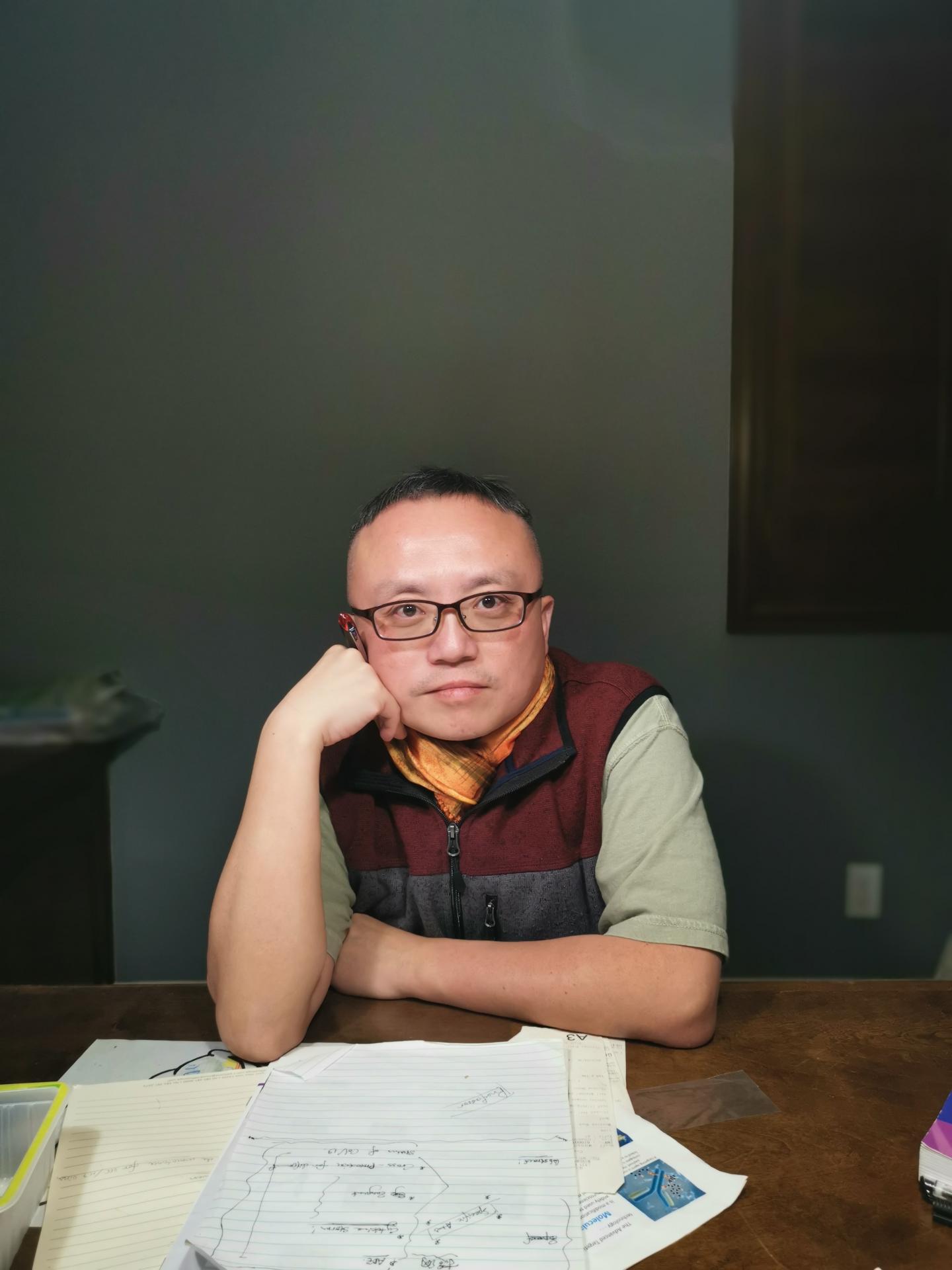
Credit: Rong Hai/UCR

A UC Riverside virologist has won a $1.9 million award to help prevent the re-emergence of Zika virus, which causes microcephaly in newborns and Guillain-Barre syndrome in adults.

Rong Hai, an assistant professor in UCR’s Department of Microbiology and Plant Pathology, will use the National Institutes of Health award over the next five years to investigate how Zika uses a protein , NS5, to beat the human immune system.

Hai’s ultimate goal is to develop a vaccine and antiviral drug for Zika, neither of which is currently available.

In 2015, the Pan American Health Organization issued an alert about the first confirmed Zika infection in Brazil. Since then, outbreaks of the virus have spread to Africa, Southeast Asia, the Pacific Islands, and South America.

Though cases were also recorded in the U.S., continued transmission in this country tapered off. However, the mosquito that spreads Zika is still active in nearly 90 countries, and could begin transmitting it again at any time.

“Viruses always surprise us with their unpredicted presence,” said Hai. “The best thing that we can do is to extract the most information possible based on our experience with previous viral pathogens, which will get us better prepared for the future.”

When human cells are invaded by a virus, the first line of defense is our innate immune system, which produces proteins called interferons. Interferons induce an anti-microbial state in the infected cell and also in neighboring cells that suppress viral replication and block the spread of pathogens.

One critical host factor in activating interferons is a protein, dubbed STAT2, and its activation sets the immune response in motion. “It’s like a switch that turns on the virus-fighting response,” Hai said.

To be successful in infecting its human host, Zika virus uses its protein, NS5, to shut off human STAT2. Then, a person gets sick with ZIKV disease. “Somehow the virus triggers the degradation of STAT2, but we don’t know how,” Hai said. “If we find out the mechanism, we can develop a live vaccine and an antiviral for ZIKV, and apply the knowledge to other flaviviruses as well.”

Hai’s background has prepared him well for this investigation. Originally from China, he studied virology at UC Berkeley, fascinated by the idea that only through infections are viruses able to live.

Prior to joining the faculty at UCR six years ago, he worked with well-known RNA virologist Peter Palese at the Icahn School of Medicine at Mount Sinai in New York. Under his guidance, Hai began his career studying emergent viral pathogens such as the 2009 swine flu. He also helped develop next-generation vaccines for RNA viruses, like the universal flu vaccine.

Hai says he’s excited about this project because it will help the medical community to be prepared for the return of Zika virus. “It’s an honor to serve our people in this way,” he said. “Just like Jon Snow fighting the white walkers, my knowledge can help all of humanity.”

###

Media Contact
Jules Bernstein
[email protected]

Original Source

https://news.ucr.edu/articles/2021/04/14/19-million-award-could-keep-zika-virus-bay

Tags: BiologyDevelopmental/Reproductive BiologyDisease in the Developing WorldInfectious/Emerging DiseasesMedicine/HealthMicrobiologyMolecular BiologyPublic HealthVirology
Share12Tweet8Share2ShareShareShare2

Related Posts

Tracking Lanthanide-Labeled Microplastics in Plants

June 25, 2026

Neural Design Enables Zero-Shot Drug-Binding Proteins

June 25, 2026

Genomic Insights into Human Skin Fungi Diversity

June 25, 2026

Chiral Laser Gyroscopes Surpass Lock-In Limit

June 25, 2026
Please login to join discussion

POPULAR NEWS

  • Saying Goodbye to PGY-6: Pediatric Fellowship Realities

    103 shares
    Share 41 Tweet 26
  • Multi-Hospital Study Reveals Long Covid Burden Is Twice as High as Current Estimates

    92 shares
    Share 36 Tweet 23
  • Detection of EDCs in Breast Milk and Infant Urine Up to Six Months Highlights Early Exposure Risks

    77 shares
    Share 31 Tweet 19
  • New Drug Candidate Developed at McMaster Shows Potential for Treating Brain Cancer

    58 shares
    Share 23 Tweet 15

About

We bring you the latest biotechnology news from best research centers and universities around the world. Check our website.

Follow us

Recent News

Tracking Lanthanide-Labeled Microplastics in Plants

POSTECH Researchers Slash Cost of Reconstituted Cell-Free Systems by 95%

AI and Physics Collaborate to Design Advanced Hydrogen Storage Materials

Subscribe to Blog via Email

Success! An email was just sent to confirm your subscription. Please find the email now and click 'Confirm' to start subscribing.

Join 82 other subscribers
  • Contact Us

Bioengineer.org © Copyright 2023 All Rights Reserved.

Welcome Back!

Login to your account below

Forgotten Password?

Retrieve your password

Please enter your username or email address to reset your password.

Log In
No Result
View All Result
  • Homepages
    • Home Page 1
    • Home Page 2
  • News
  • National
  • Business
  • Health
  • Lifestyle
  • Science

Bioengineer.org © Copyright 2023 All Rights Reserved.

