• HOME
  • NEWS
  • EXPLORE
    • CAREER
      • Companies
      • Jobs
    • EVENTS
    • iGEM
      • News
      • Team
    • PHOTOS
    • VIDEO
    • WIKI
  • BLOG
  • COMMUNITY
    • FACEBOOK
    • INSTAGRAM
    • TWITTER
Saturday, May 2, 2026
BIOENGINEER.ORG
No Result
View All Result
  • Login
  • HOME
  • NEWS
  • EXPLORE
    • CAREER
      • Companies
      • Jobs
        • Lecturer
        • PhD Studentship
        • Postdoc
        • Research Assistant
    • EVENTS
    • iGEM
      • News
      • Team
    • PHOTOS
    • VIDEO
    • WIKI
  • BLOG
  • COMMUNITY
    • FACEBOOK
    • INSTAGRAM
    • TWITTER
  • HOME
  • NEWS
  • EXPLORE
    • CAREER
      • Companies
      • Jobs
        • Lecturer
        • PhD Studentship
        • Postdoc
        • Research Assistant
    • EVENTS
    • iGEM
      • News
      • Team
    • PHOTOS
    • VIDEO
    • WIKI
  • BLOG
  • COMMUNITY
    • FACEBOOK
    • INSTAGRAM
    • TWITTER
No Result
View All Result
Bioengineer.org
No Result
View All Result
Home NEWS Science News Biology

Zoo enrichment could go further

Bioengineer by Bioengineer
January 27, 2022
in Biology
Reading Time: 2 mins read
0
Social enrichment includes allowing individuals to experience natural social groups and have a choice over who they interact with. Image shows Asian pied starlings.
Share on FacebookShare on TwitterShare on LinkedinShare on RedditShare on Telegram

Zoos and aquariums could improve the lives of a wider range of their animals, new research suggests.
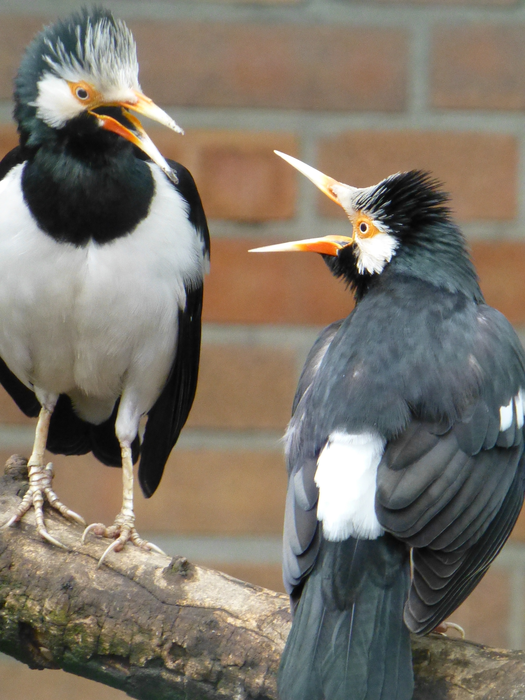
Social enrichment includes allowing individuals to experience natural social groups and have a choice over who they interact with. Image shows Asian pied starlings.

Credit: Paul Rose

Zoos and aquariums could improve the lives of a wider range of their animals, new research suggests.

The use of “environmental enrichment” (giving animals stimulating environments) has become increasingly common in zoos and aquariums in recent years.

The new study, by the University of Exeter and Sparsholt College Hampshire, investigated whether zoos base their enrichment on evidence of what each species needs.

It found this was the case for certain animals – especially carnivores and parrots – and certain types of enrichment.

However, the study identifies opportunities to “diversify the enrichment types being offered and species being researched”.

“Our study shows that environmental enrichment is important, and zoos and aquariums are taking it seriously,” said Dr Paul Rose, of the University of Exeter.

“Enrichment is no longer an afterthought, as it was 15 or 20 years ago.

“Based on our findings, we would urge zoos to keep doing enrichment, but with a greater focus on using the available evidence on what works for each species.

“Keepers should ask themselves what behaviours are being promoted, and what evidence exists to show that this behaviour is natural and beneficial in the long term.”

The study examined a database of peer-reviewed studies, and two publications for zoo professionals.

Of the enrichment articles identified, almost 77% focussed on mammals, with 11% on birds, 6% on multiple species, 4% on reptiles and only a handful on amphibians, fish and invertebrates.

This focus on certain “high-profile” species can lead to more and better-quality enrichment for some species than others.

However, the use of biological evidence to inform this enrichment was patchy in the case of mammals.

The researchers also noted other differences. For example, enrichment for parrots was more often evidence-based than enrichment for penguins.

The study identified a focus on certain types of enrichment, particularly nutritional enrichment – where food is provided in a way that mimics the animal’s natural environment.

Meanwhile, there were far fewer articles on social enrichment, which focusses on the mix of individuals in a group, multiple mating options, etc.

James Brereton, of Sparsholt College Hampshire, said: “We encourage all zoos that practice enrichment to share their findings, as it may be that the range of enrichment being used isn’t always in the literature.”

The paper, published in the journal Animal Welfare, is entitled: “An evaluation of the role of ‘biological evidence’ in zoo and aquarium enrichment practices.”


Journal

Animal Welfare

Subject of Research

Animals

Article Title

An evaluation of the role of ‘biological evidence’ in zoo and aquarium enrichment practices.

Article Publication Date

26-Jan-2022

Share12Tweet8Share2ShareShareShare2

Related Posts

Successful Birth Following Uterus Transplant Marks Medical Breakthrough — Biology

Successful Birth Following Uterus Transplant Marks Medical Breakthrough

May 1, 2026
Cockatoos Mimic Peers to Sharpen Adaptation Skills, Study Finds — Biology

Cockatoos Mimic Peers to Sharpen Adaptation Skills, Study Finds

May 1, 2026

Gut Microbe’s Sulfated Bile Acid Eases Pediatric Sepsis

May 1, 2026

AI Breakthrough Solves One of Science’s Most Challenging Math Problems

May 1, 2026

POPULAR NEWS

  • Research Indicates Potential Connection Between Prenatal Medication Exposure and Elevated Autism Risk

    832 shares
    Share 333 Tweet 208
  • New Study Reveals Plants Can Detect the Sound of Rain

    714 shares
    Share 285 Tweet 178
  • Scientists Investigate Possible Connection Between COVID-19 and Increased Lung Cancer Risk

    67 shares
    Share 27 Tweet 17
  • Salmonella Haem Blocks Macrophages, Boosts Infection

    61 shares
    Share 24 Tweet 15

About

We bring you the latest biotechnology news from best research centers and universities around the world. Check our website.

Follow us

Recent News

Family Health Needs of Disabled Elders Explored

Mcu Controls Bone Growth Through Mitochondrial Calcium

Physical Disorders, ADLs, Cognition, Depression in Nursing Homes

Subscribe to Blog via Email

Enter your email address to subscribe to this blog and receive notifications of new posts by email.

Join 82 other subscribers
  • Contact Us

Bioengineer.org © Copyright 2023 All Rights Reserved.

Welcome Back!

Login to your account below

Forgotten Password?

Retrieve your password

Please enter your username or email address to reset your password.

Log In
No Result
View All Result
  • Homepages
    • Home Page 1
    • Home Page 2
  • News
  • National
  • Business
  • Health
  • Lifestyle
  • Science

Bioengineer.org © Copyright 2023 All Rights Reserved.