• HOME
  • NEWS
  • EXPLORE
    • CAREER
      • Companies
      • Jobs
    • EVENTS
    • iGEM
      • News
      • Team
    • PHOTOS
    • VIDEO
    • WIKI
  • BLOG
  • COMMUNITY
    • FACEBOOK
    • INSTAGRAM
    • TWITTER
Tuesday, August 18, 2026
BIOENGINEER.ORG
No Result
View All Result
  • Login
  • HOME
  • NEWS
  • EXPLORE
    • CAREER
      • Companies
      • Jobs
        • Lecturer
        • PhD Studentship
        • Postdoc
        • Research Assistant
    • EVENTS
    • iGEM
      • News
      • Team
    • PHOTOS
    • VIDEO
    • WIKI
  • BLOG
  • COMMUNITY
    • FACEBOOK
    • INSTAGRAM
    • TWITTER
  • HOME
  • NEWS
  • EXPLORE
    • CAREER
      • Companies
      • Jobs
        • Lecturer
        • PhD Studentship
        • Postdoc
        • Research Assistant
    • EVENTS
    • iGEM
      • News
      • Team
    • PHOTOS
    • VIDEO
    • WIKI
  • BLOG
  • COMMUNITY
    • FACEBOOK
    • INSTAGRAM
    • TWITTER
No Result
View All Result
Bioengineer.org
No Result
View All Result
Home NEWS Science News Health

Zinc may hold key to fighting liver disease

Bioengineer by Bioengineer
June 1, 2017
in Health
Reading Time: 2 mins read
0
Share on FacebookShare on TwitterShare on LinkedinShare on RedditShare on Telegram
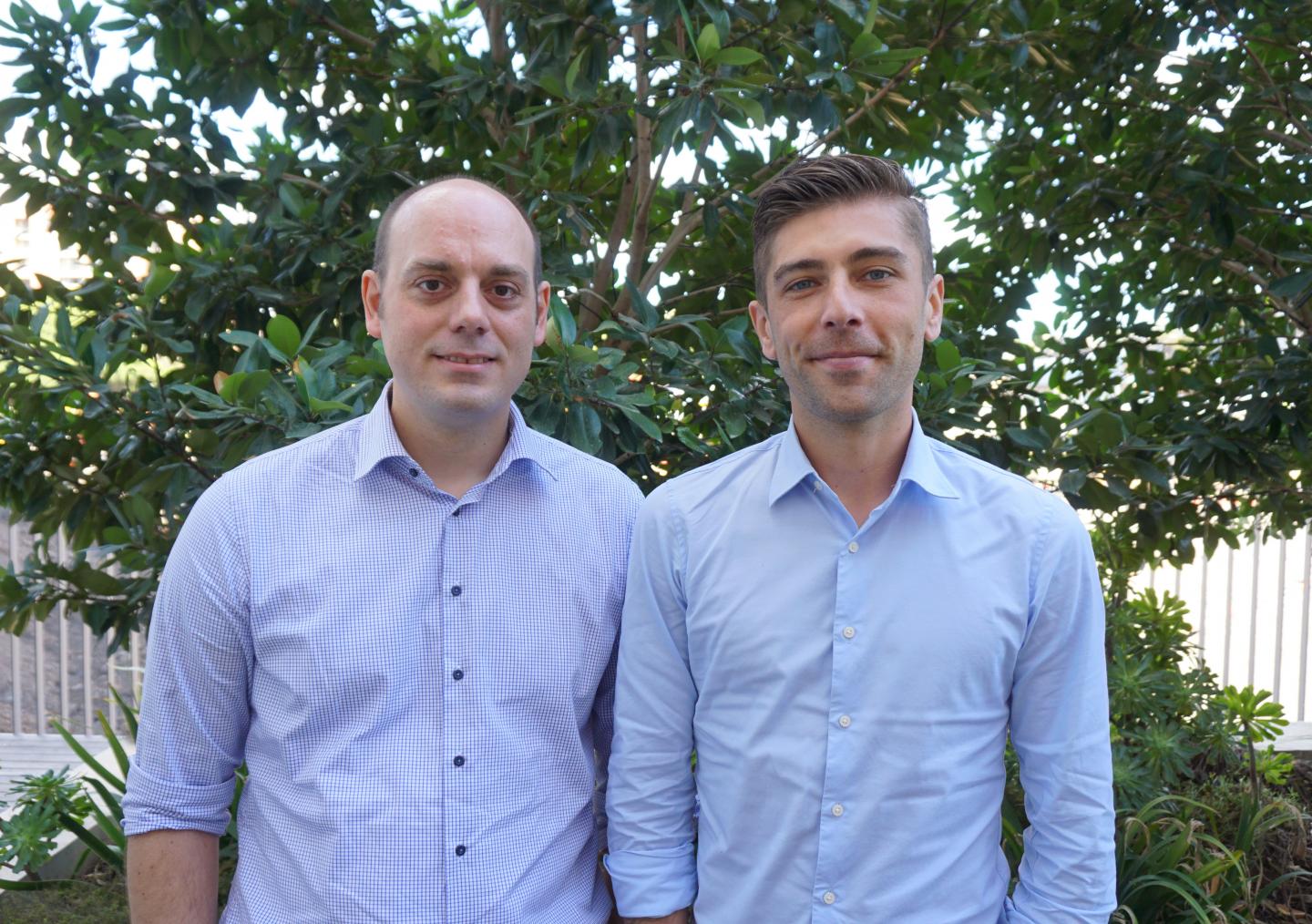
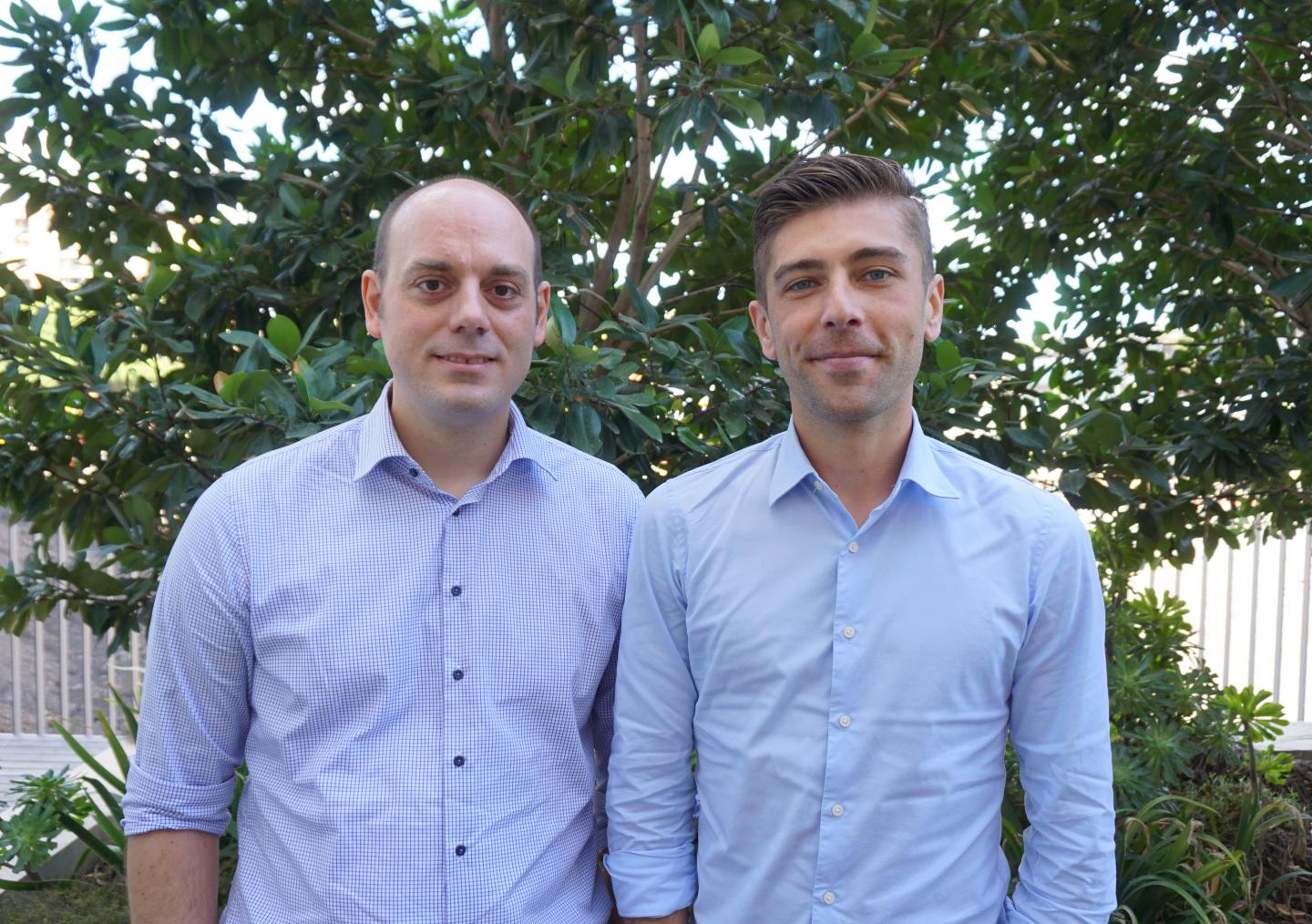
IMAGE

Credit: The Westmead Institute for Medical Research

New research from the Westmead Institute's Storr Liver Centre in collaboration with the Centre for Virus Research and Kirby Institute has shown that serum zinc may benefit liver disease in a way we never expected.

The study, led by Dr Scott Read and Associate Professor Golo Ahlenstiel, demonstrated that zinc naturally inhibits the inflammatory and antiviral effects of interferon lambda 3 (IFN-λ3), a protein strongly associated with tissue damage in chronic liver disease.

Lead author of the study, Dr Read, said the study provides the first evidence that zinc can act as a potent and specific inhibitor of IFN-λ3 in the context of viral infections such as hepatitis C and influenza.

"We have demonstrated that zinc inhibits numerous facets of the liver's immune response to viruses that may be mediated by IFN-λ3."

"Zinc interferes with IFN-λ3 binding to the interferon lambda receptor, which results in decreased antiviral activity and increased viral replication both in vitro and in vivo.

"Interestingly, zinc also blocks the inflammatory activity of IFN-λ3, which has been strongly linked to accelerated progression to liver cirrhosis in viral and non-viral liver disease.

"Our data suggests that serum zinc levels in patients with chronic hepatitis C are genetically predetermined by the IFN-λ3 polymorphism, confirming the inhibitory role of zinc in vivo.

"The data highlights the potential for zinc to be used as a simple and effective treatment against acute and chronic inflammation in the liver," Dr Read concluded.

Associate Professor Ahlenstiel and his team are now working towards a therapeutic intervention for IFN-λ3-mediated chronic disease.

This research was published online in Nature Communications.

###

Media Contact

Leesa Maroske
[email protected]
61-286-273-030
@TheWestmead

http://www.westmeadinstitute.org.au/

############

Story Source: Materials provided by Scienmag

Share12Tweet8Share2ShareShareShare2

Related Posts

Cannabis Use Associated With Earlier Psychosis Onset

August 18, 2026

New study maps diverse cardiac fibroblasts driving HFpEF, revealing therapeutic targets

August 18, 2026

Global health tech competition accelerates innovation for cardiovascular and brain health

August 18, 2026

Hyaluronic Acid May Predict Severity of Down Syndrome-Associated Transient Abnormal Myelopoiesis

August 18, 2026
Please login to join discussion

POPULAR NEWS

  • New platform enables long-lasting, air-stable persistent luminescence in amorphous organic materials

    29 shares
    Share 12 Tweet 7
  • Switchable smart gel could enable next-generation drug delivery and sensing technologies

    29 shares
    Share 12 Tweet 7
  • Cannabis Use Associated With Earlier Psychosis Onset

    29 shares
    Share 12 Tweet 7
  • Posterior Transosseous S1 Pedicle Approach Reaches Superior Hypogastric Plexus

    29 shares
    Share 12 Tweet 7

About

We bring you the latest biotechnology news from best research centers and universities around the world. Check our website.

Follow us

Recent News

New platform enables long-lasting, air-stable persistent luminescence in amorphous organic materials

Switchable smart gel could enable next-generation drug delivery and sensing technologies

Cannabis Use Associated With Earlier Psychosis Onset

Subscribe to Blog via Email

Enter your email address to subscribe to this blog and receive notifications of new posts by email.

Join 85 other subscribers
  • Contact Us

Bioengineer.org © Copyright 2023 All Rights Reserved.

Welcome Back!

Login to your account below

Forgotten Password?

Retrieve your password

Please enter your username or email address to reset your password.

Log In
No Result
View All Result
  • Homepages
    • Home Page 1
    • Home Page 2
  • News
  • National
  • Business
  • Health
  • Lifestyle
  • Science

Bioengineer.org © Copyright 2023 All Rights Reserved.