WHAT:
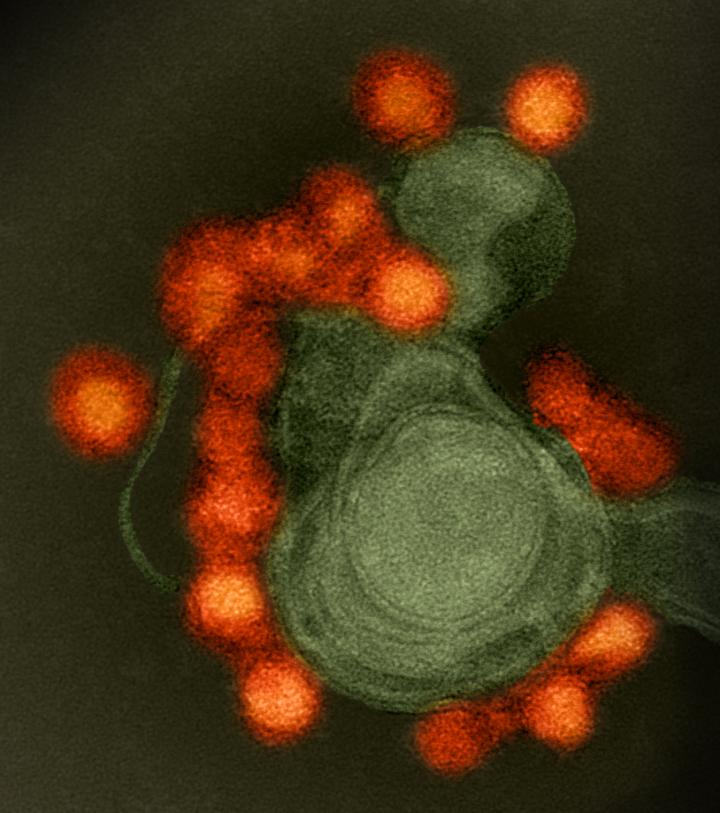
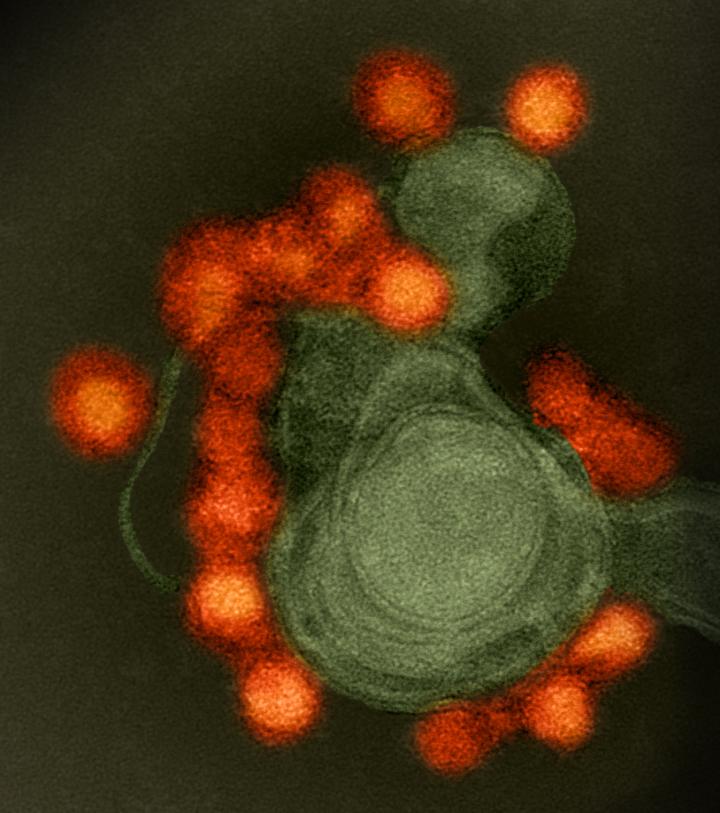
A viral protein known as NS5 is a promising target for vaccines against Zika and related viruses, according to National Institutes of Health (NIH) scientists and colleagues at Mount Sinai's Icahn School of Medicine. Their study, published online May 19, 2016 in Cell Host & Microbe, suggests that altering or removing the NS5 protein from Zika virus would allow the human body's own immune defenses to attack the virus. The study found that NS5 prevents Zika virus-infected human cells from signaling immune system cells to make interferon, a powerful antiviral protein.
The researchers previously found that NS5 plays a similar interferon-blocking role for other members of the flavivirus family, most notably dengue virus and West Nile virus. The current study extends those findings to four other little-known viruses. Each virus appears to have evolved differently, they say, and uses a different NS5 mechanism to alter the host immune response. The researchers, including a group from NIH's National Institute of Allergy and Infectious Diseases, noted that one of the viruses they examined–Spondweni virus–has the potential to emerge as a human pathogen. Spondweni, a close relative of Zika virus, is spread by mosquitoes in sub-Saharan Africa and Southeast Asia.
With Zika virus, their study details how NS5 specifically inhibits human interferon responses by blocking the STAT2 protein, which is essential for signaling an interferon response. The researchers liken the interferon response to pulling a fire alarm to alert the immune response that a virus is nearby, but using NS5, Zika virus can silence the alarm and establish infection.
The scientists believe it may be possible to design a vaccine against Zika virus by using a live, weakened form of the virus made by altering the NS5 protein, though this concept is still far from being applied to a product. They also have shown with West Nile, yellow fever, and tick-borne encephalitis viruses that NS5 mutations weaken those viruses, which suggests that NS5 could be a vaccine target for those diseases as well.
###
ARTICLE:
A Grant et al. Zika virus targets human STAT2 to inhibit type I interferon signaling. Cell Host & Microbe DOI: 10.1016/j.chom.2016.05.009 (2016).
WHO:
Anthony S. Fauci, M.D., NIAID director, and Sonja Best, Ph.D., chief of NIAID's Innate Immunity and Pathogenesis Unit in the Laboratory of Virology, are available to comment on this study.
CONTACT:
To schedule interviews, please contact Ken Pekoc, 301-402-1663, [email protected]
NIAID conducts and supports research–at NIH, throughout the United States, and worldwide–to study the causes of infectious and immune-mediated diseases, and to develop better means of preventing, diagnosing and treating these illnesses. News releases, fact sheets and other NIAID-related materials are available on the NIAID website.
About the National Institutes of Health (NIH): NIH, the nation's medical research agency, includes 27 Institutes and Centers and is a component of the U.S. Department of Health and Human Services. NIH is the primary federal agency conducting and supporting basic, clinical, and translational medical research, and is investigating the causes, treatments, and cures for both common and rare diseases. For more information about NIH and its programs, visit http://www.nih.gov.
NIH…Turning Discovery Into Health®
Media Contact
Ken Pekoc
[email protected]
301-402-1663
@NIAIDNews
http://www.niaid.nih.gov