A daily dose of yeast mannans, a cell wall fraction derived from baker’s yeast, selectively reshaped the gut microbiota of adults in a small open-label nutritional intervention study, enriching dozens of Bacteroides and Parabacteroides species while the relative abundance of the opportunistic pathogen Klebsiella pneumoniae fell by more than two-fold, according to a new analysis published in Frontiers in Microbiology. In nine of the twenty participants, K. pneumoniae dropped from detectable levels to essentially undetectable levels after the two-week intervention, a shift the researchers describe as consistent with improved colonization resistance, though they caution that confirmatory quantification is still needed.
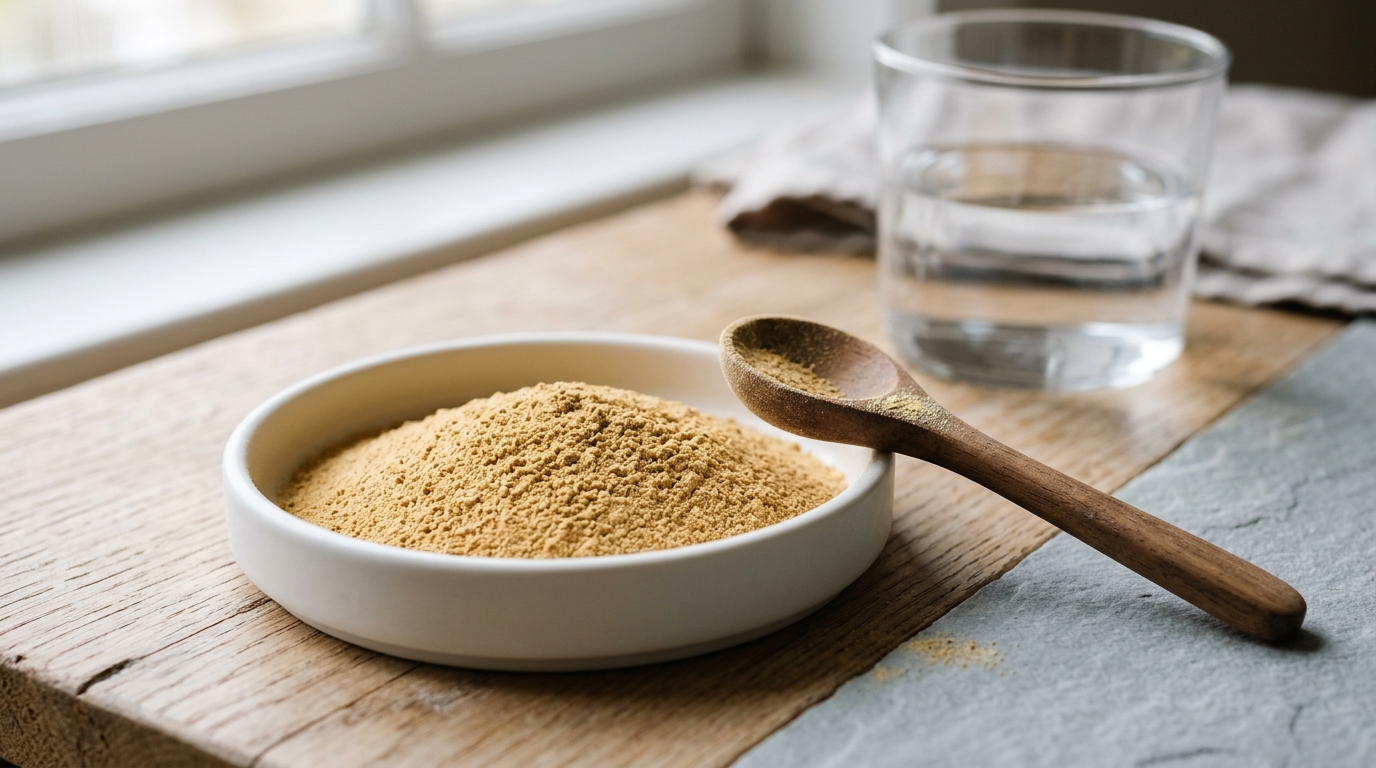
The study, led by Melissa L. Moreno, Diana H. Taft, Thomas A. Tompkins and Wendy J. Dahl of the University of Florida together with Lallemand Bio Ingredients in Montreal, went beyond the 16S rRNA gene amplicon sequencing used in earlier work on yeast mannans, which offers only limited taxonomic resolution. Instead, the team profiled fecal microbiota using whole metagenome sequencing and analyzed fecal and urine metabolomics by direct infusion and liquid chromatography-tandem mass spectrometry. Fecal and urine samples came from a three-week open-label study with a one-week baseline period followed by a two-week intervention, in which twenty adults aged fifty or older consumed 15 grams per day of yeast mannans, a Saccharomyces cerevisiae fraction primarily containing mannooligosaccharides, mannoproteins, and residual beta-glucan, with 45 percent plus or minus 5 percent dietary fiber, at least 25 percent protein, and less than 2.5 percent fat. The product contained 25 to 45 percent mannooligosaccharides as determined by high-performance liquid chromatography. The trial was approved by the University of Florida Institutional Review Board 1 and registered at clinicaltrials.gov as NCT05939336.
Sequencing was performed on the Element Biosciences AVITI platform after library preparation with the NEBNext Ultra II FS DNA Library Prep Kit, with reads cleaned to remove adapters, low-quality bases, and human DNA aligned to the CHM13v2.0 reference genome. Taxonomic classification used Kraken2 with the Genome Taxonomy Database release R226, and abundance re-estimation was conducted with Bracken at the species level. Differential abundance testing between baseline and intervention used ANCOM-BC2, a compositional method that applies bias correction, with a mixed-effects model in which time was a fixed effect and subject was a random intercept to account for repeated measures. Taxa with false discovery rate-adjusted q-values below 0.05 were considered significantly different.
The results showed a strong directional tilt toward the phylum Bacteroidota. Fifty species differed in relative abundance between baseline and intervention at q below 0.05, with twenty-three passing a sensitivity analysis. Forty-six species increased, and thirty-four of those belonged to the genera Bacteroides or Parabacteroides. The single species with the largest fold-change was Thomasclavelia spiroformis, formerly known as Clostridium spiroforme. Four species decreased: Acutalibacter ornithocaccae, Klebsiella pneumoniae, Scatomorpha intestinigallinarum, and Faecousia sp000435995. Fifteen participants showed a reduction in K. pneumoniae, and nine showed a reduction from detectable to essentially undetectable levels. The authors note that because metagenomic profiles are inherently compositional, the detected decreases in relative abundance likely reflect changes in absolute abundance, but qPCR would be needed to confirm this.
The enrichment pattern fits what is known about the chemistry of yeast mannans. These are highly branched cell-wall polysaccharides composed primarily of alpha-D-mannopyranose residues with an alpha-(1,6)-mannan backbone and alpha-(1,2)- and alpha-(1,3)-linked mannose side chains. That branching creates steric hindrance that generally limits bacterial enzymatic degradation, with the exception of some species within Bacteroidota. Both Bacteroides and Parabacteroides are well-known dietary glycan generalists, with genomes enriched for polysaccharide utilization loci that encode coordinated breakdown of diverse complex carbohydrates. A dedicated mannan polysaccharide utilization locus has been characterized in Bacteroides ovatus, including GH26 beta-mannanases that are upregulated during growth on mannan substrates. Independent ex vivo and in vitro fermentation studies have likewise reported that yeast mannans selectively increase the relative abundance of Bacteroides.
Several other taxa rose in abundance, though the authors are careful about interpretation. Thomasclavelia spiroformis may have been favored indirectly through cross-feeding on mannose or through community restructuring, given the lack of direct evidence that this species degrades yeast mannans. Dialister hominis, a succinate-utilizing bacterium, and Acidaminococcus intestini, an asaccharolytic bacterium that utilizes amino acids, also increased, the latter potentially benefiting from the supplement’s mannoprotein component. Solibaculum mannosilyticum increased, possibly due to increased availability of mannose, and two Blautia species, B. faecis and B. ammoniilytica, rose as well, with Blautia spp. possibly acting as secondary responders to yeast mannan fermentation rather than direct degraders. The authors state plainly that species-specific human health effects associated with higher fecal abundance of these taxa are lacking.
The metabolomic findings were more modest. In urine, three metabolites significantly increased after yeast mannan administration at the study’s significance threshold of q below 0.2: N-acetyl-alanine, alanine, and caproic acid, with N-acetyl-alanine showing the strongest effect. No urine metabolites significantly decreased. In fecal samples, the dominant alterations were decreases in two ether-linked phosphatidylcholines, PC ae C36:4 and PC ae C40:1, and no stool metabolites showed a significant increase. The authors interpret the higher urinary N-acetylalanine cautiously, noting it may reflect changes in kidney aminoacylase activity and amino acid metabolism rather than strictly increased bacterial production, though previous ex vivo work showed that yeast mannans stimulated production of specific N-acetylated amino acids and that yeast protein extract may resist digestion and provide substrate for the microbiota. Increased urinary excretion of caproic acid, a medium-chain fatty acid not typically excreted in appreciable amounts, may reflect increased production. The enrichment of Bacteroides and Parabacteroides would be expected to favor propionate production, but given the absorption and first-pass utilization efficiency of propionate, significant urinary levels were not expected, and the authors did not observe the fecal propionate increase reported in earlier work, noting that fecal concentrations do not necessarily reflect the rate of short-chain fatty acid production.
The reduction in K. pneumoniae is the finding with the widest potential implications. K. pneumoniae is one of the six ESKAPE pathogens exhibiting multidrug-resistant characteristics, is thought to play a key role in the transfer of antimicrobial resistance genes to other pathogens, and is responsible for a significant burden of lower respiratory illness globally and neonatal sepsis. Its translocation leads to hepatic infections and contributes to hepatocellular carcinoma, and it has been repeatedly linked to inflammatory bowel disease cohorts and experimental inflammatory phenotypes, as well as infection burden in dialysis and solid organ transplant patients. In ICU patients, increasing intestinal abundance and dominance by K. pneumoniae were associated with greater illness severity and preceded bloodstream and abdominal infections that were frequent among non-survivors. The authors suggest the yeast mannan-associated shift away from K. pneumoniae may reflect improved colonization resistance or competitive suppression by carbohydrate-adapted commensals, and they cite animal model evidence that Bacteroidota mitigate K. pneumoniae colonization, with gnotobiotic mouse work indicating that restricting nutrient availability may underlie improved resistance.
The carbohydrate form may determine the direction of the effect, the authors caution. Mannooligosaccharides from coconut have been shown in an in vitro growth inhibition assay to inhibit the growth of K. pneumoniae, whereas in a murine model lactulose, a synthetic fermentable sugar, enhanced K. pneumoniae colonization, and in vitro studies suggest fructo-oligosaccharides also promote K. pneumoniae colonization. The authors raise a serious question regarding risk for hospital-acquired K. pneumoniae infections, given that lactulose is prescribed for constipation and encephalopathy and FOS is added to many enteral formulas and nutritional supplements. They emphasize that the potential health benefit of yeast mannan suppression of K. pneumoniae, particularly in patient populations at risk for nosocomial infections, requires exploration.
The study has clear limitations the authors acknowledge. It was an open-label pilot with no control group, and plasma metabolomics were not measured, limiting interpretation of whether yeast mannan supplementation produces systemic changes in the host. Only subjects with complete baseline and intervention measurements in both fecal and urine datasets were retained, and the metabolomics significance threshold was relatively permissive at q below 0.2. The authors call for future controlled studies, ideally incorporating absolute microbial quantification, to determine whether the observed decrease in K. pneumoniae relative abundance reflects a true reduction in absolute abundance and whether these ecological shifts have physiological significance in populations where intestinal K. pneumoniae carriage may be of clinical concern. They also note that further research is needed to determine whether enriching Parabacteroides with yeast mannan supplementation offers metabolic and cognitive benefits, since prior work has linked Parabacteroides enrichment through soluble corn fiber to cognitive benefits in a small subsample analysis.
Subject of Research: Effects of yeast mannan supplementation from baker's yeast on adult gut microbiota composition and metabolomics, including enrichment of Bacteroides and Parabacteroides and reduced Klebsiella pneumoniae relative abundance
Article Title: Nutritional intervention trial of yeast mannans derived from baker's yeast enriches Bacteroides and Parabacteroides with concurrent reduction of Klebsiella pneumoniae
Article References: Moreno, M. L., Taft, D. H., Tompkins, T. A., & Dahl, W. J. (2026). Nutritional intervention trial of yeast mannans derived from baker's yeast enriches Bacteroides and Parabacteroides with concurrent reduction of Klebsiella pneumoniae. Frontiers in Microbiology, 17, Article 1958679. https://doi.org/10.3389/fmicb.2026.1958679
Image Credits: AI Generated
DOI: 10.3389/fmicb.2026.1958679
Keywords: yeast mannans, gut microbiota, Bacteroides, Parabacteroides, Klebsiella pneumoniae, whole metagenome sequencing, metabolomics, prebiotics, Saccharomyces cerevisiae, microbiome, open-label trial, colonization resistance
News Source: Morgan Morrow. (November 6, 2026). Yeast Mannan Supplement Reshapes Gut Microbes and Curbs Klebsiella in Small Open-Label Trial. Scienmag.