• HOME
  • NEWS
  • EXPLORE
    • CAREER
      • Companies
      • Jobs
    • EVENTS
    • iGEM
      • News
      • Team
    • PHOTOS
    • VIDEO
    • WIKI
  • BLOG
  • COMMUNITY
    • FACEBOOK
    • INSTAGRAM
    • TWITTER
Sunday, May 10, 2026
BIOENGINEER.ORG
No Result
View All Result
  • Login
  • HOME
  • NEWS
  • EXPLORE
    • CAREER
      • Companies
      • Jobs
        • Lecturer
        • PhD Studentship
        • Postdoc
        • Research Assistant
    • EVENTS
    • iGEM
      • News
      • Team
    • PHOTOS
    • VIDEO
    • WIKI
  • BLOG
  • COMMUNITY
    • FACEBOOK
    • INSTAGRAM
    • TWITTER
  • HOME
  • NEWS
  • EXPLORE
    • CAREER
      • Companies
      • Jobs
        • Lecturer
        • PhD Studentship
        • Postdoc
        • Research Assistant
    • EVENTS
    • iGEM
      • News
      • Team
    • PHOTOS
    • VIDEO
    • WIKI
  • BLOG
  • COMMUNITY
    • FACEBOOK
    • INSTAGRAM
    • TWITTER
No Result
View All Result
Bioengineer.org
No Result
View All Result
Home NEWS Science News Biology

WVU researcher unearths an ice age in the African desert

Bioengineer by Bioengineer
February 4, 2019
in Biology
Reading Time: 3 mins read
0
IMAGE
Share on FacebookShare on TwitterShare on LinkedinShare on RedditShare on Telegram

IMAGE

Credit: WVU

MORGANTOWN, W.Va.–A field trip to Namibia to study volcanic rocks led to an unexpected discovery by West Virginia University geologists Graham Andrews and Sarah Brown.

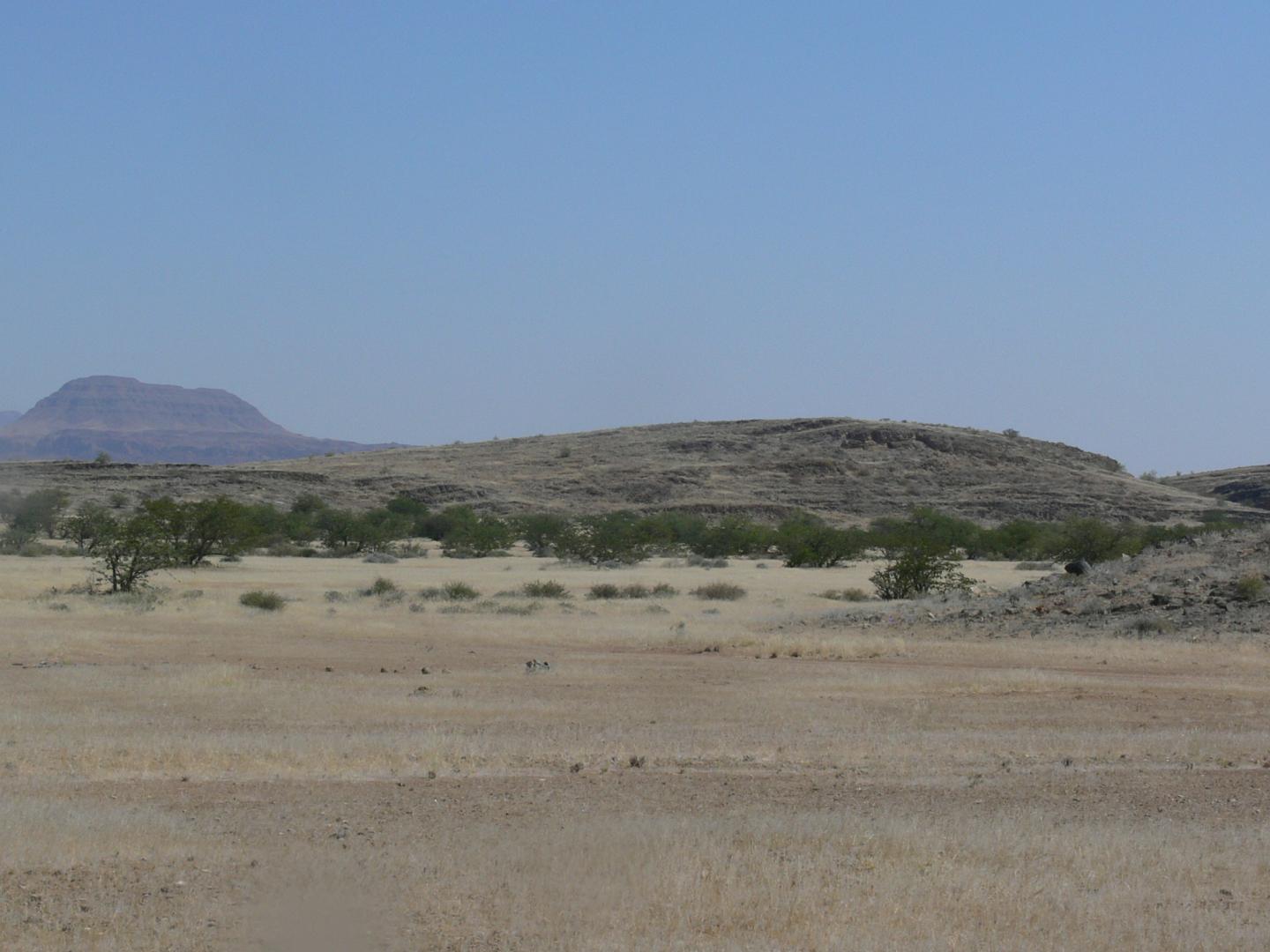
While exploring the desert country in southern Africa, they stumbled upon a peculiar land formation–flat desert scattered with hundreds of long, steep hills. They quickly realized the bumpy landscape was shaped by drumlins, a type of hill often found in places once covered in glaciers, an abnormal characteristic for desert landscapes.

“We quickly realized what we were looking at because we both grew up in areas of the world that had been under glaciers, me in Northern Ireland and Sarah in northern Illinois,” said Andrews, an assistant professor of geology. “It’s not like anything we see in West Virginia where we’re used to flat areas and then gorges and steep-sided valleys down into hollows.”

After returning home from the trip, Andrews began researching the origins of the Namibian drumlins, only to learn they had never been studied.

“The last rocks we were shown on the trip are from a time period when southern Africa was covered by ice,” Andrews said. “People obviously knew that part of the world had been covered in ice at one time, but no one had ever mentioned anything about how the drumlins formed or that they were even there at all.”

Andrews teamed up with WVU geology senior Andy McGrady to use morphometrics, or measurements of shapes, to determine if the drumlins showed any patterns that would reflect regular behaviors as the ice carved them.

While normal glaciers have sequential patterns of growing and melting, they do not move much, Andrews explained. However, they determined that the drumlins featured large grooves, which showed that the ice had to be moving at a fast pace to carve the grooves.

These grooves demonstrated the first evidence of an ice stream in southern Africa in the late Paleozoic Age, which occurred about 300 million years ago.

“The ice carved big, long grooves in the rock as it moved,” Andrews said. “It wasn’t just that there was ice there, but there was an ice stream. It was an area where the ice was really moving fast.”

McGrady used freely available information from Google Earth and Google Maps to measure their length, width and height.

“This work is very important because not much has been published on these glacial features in Namibia,” said McGrady, a senior geology student from Hamlin. “It’s interesting to think that this was pioneer work in a sense, that this is one of the first papers to cover the characteristics of these features and gives some insight into how they were formed.”

Their findings also confirm that southern Africa was located over the South Pole during this period.

“These features provide yet another tie between southern Africa and south America to show they were once joined,” Andrews said.

The study, “First description of subglacial megalineations from the late Paleozoic ice age in southern Africa” is published in the Public Library of Science’s PLOS ONE journal.

“This is a great example of a fundamental discovery and new insights into the climatic history of our world that remain to be discovered,” said Tim Carr, chair of the Department of Geology and Geography.

###

Media Contact
Katlin Swisher
[email protected]
304-293-9264

Original Source

https://wvutoday.wvu.edu/stories/2019/02/04/wvu-researcher-unearths-an-ice-age-in-the-african-desert

Related Journal Article

http://dx.doi.org/10.1371/journal.pone.0210673

Tags: Earth ScienceEcology/EnvironmentGeographyGeology/Soil
Share12Tweet8Share2ShareShareShare2

Related Posts

Ancient Plant Populations Reveal Fresh Insights into Climate Resilience — Biology

Ancient Plant Populations Reveal Fresh Insights into Climate Resilience

May 8, 2026
Rare Brain Disorders in Children Linked to Mutations in Lesser-Known Protein Complex — Biology

Rare Brain Disorders in Children Linked to Mutations in Lesser-Known Protein Complex

May 8, 2026

From Odd Insect to Underwater Predator: The Remarkable Evolution of a Bloodthirsty Fruit Fly

May 8, 2026

SNU Professor Sangwoo Seo’s Team Develops Next-Generation CRISPR Biocontainment Technology to Control Microbial Survival Without DNA Cleavage

May 8, 2026
Please login to join discussion

POPULAR NEWS

  • Research Indicates Potential Connection Between Prenatal Medication Exposure and Elevated Autism Risk

    840 shares
    Share 336 Tweet 210
  • New Study Reveals Plants Can Detect the Sound of Rain

    727 shares
    Share 290 Tweet 181
  • Scientists Investigate Possible Connection Between COVID-19 and Increased Lung Cancer Risk

    68 shares
    Share 27 Tweet 17
  • Salmonella Haem Blocks Macrophages, Boosts Infection

    61 shares
    Share 24 Tweet 15

About

We bring you the latest biotechnology news from best research centers and universities around the world. Check our website.

Follow us

Recent News

Evaluating Digoxin Use in Patients with Symptomatic Rheumatic Heart Disease

Evaluating the Effectiveness and Safety of Digitalis Glycosides in Treating Heart Failure

Urdu Fall Risk Questionnaire Adapted for Elderly

Subscribe to Blog via Email

Enter your email address to subscribe to this blog and receive notifications of new posts by email.

Join 82 other subscribers
  • Contact Us

Bioengineer.org © Copyright 2023 All Rights Reserved.

Welcome Back!

Login to your account below

Forgotten Password?

Retrieve your password

Please enter your username or email address to reset your password.

Log In
No Result
View All Result
  • Homepages
    • Home Page 1
    • Home Page 2
  • News
  • National
  • Business
  • Health
  • Lifestyle
  • Science

Bioengineer.org © Copyright 2023 All Rights Reserved.