

• HOME
  • NEWS
  • EXPLORE
    • CAREER
      • Companies
      • Jobs
    • EVENTS
    • iGEM
      • News
      • Team
    • PHOTOS
    • VIDEO
    • WIKI
  • BLOG
  • COMMUNITY
    • FACEBOOK
    • INSTAGRAM
    • TWITTER
Tuesday, December 16, 2025
BIOENGINEER.ORG
No Result
View All Result
  • Login
  • HOME
  • NEWS
  • EXPLORE
    • CAREER
      • Companies
      • Jobs
        • Lecturer
        • PhD Studentship
        • Postdoc
        • Research Assistant
    • EVENTS
    • iGEM
      • News
      • Team
    • PHOTOS
    • VIDEO
    • WIKI
  • BLOG
  • COMMUNITY
    • FACEBOOK
    • INSTAGRAM
    • TWITTER
  • HOME
  • NEWS
  • EXPLORE
    • CAREER
      • Companies
      • Jobs
        • Lecturer
        • PhD Studentship
        • Postdoc
        • Research Assistant
    • EVENTS
    • iGEM
      • News
      • Team
    • PHOTOS
    • VIDEO
    • WIKI
  • BLOG
  • COMMUNITY
    • FACEBOOK
    • INSTAGRAM
    • TWITTER
No Result
View All Result
Bioengineer.org
No Result
View All Result
Home NEWS Science News Health

Women surgeons earn their cut of NIH funding — and then some

Bioengineer by Bioengineer
August 21, 2020
in Health
Reading Time: 3 mins read
0
IMAGE
Share on FacebookShare on TwitterShare on LinkedinShare on RedditShare on Telegram

IMAGE

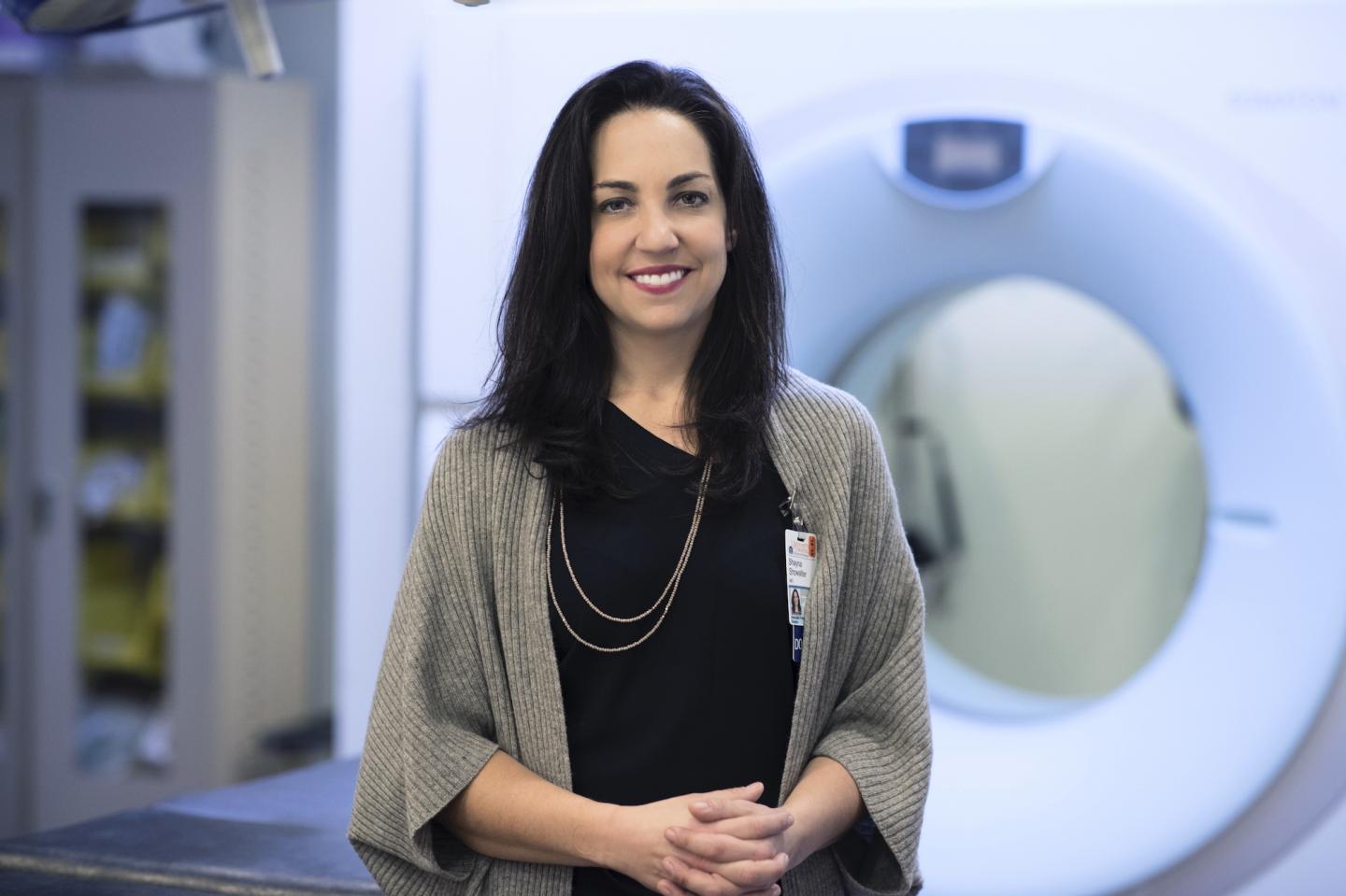
Credit: Dan Addison | UVA Communications

Women are underrepresented in the field of academic surgery, but women surgeons are earning a disproportionate share of research grants from the National Institutes of Health, a new study has found.

Women make up 19% of surgery faculty at academic health systems but held 26.4% of prestigious “R01” grants in place at surgery departments as of October 2018, the researchers found.

“Female surgeon-scientists are underrepresented within academic surgery, but hold a greater than anticipated proportion of NIH funding,” said researcher Shayna L. Showalter, MD, a breast surgical oncologist at UVA Health and the UVA Cancer Center. “This means that female surgeon-scientists are a crucial component of future surgical research.”

Women in Surgery

Showalter and colleagues queried the number of grants from surgery departments throughout the country to determine the percentage of R01 grants held by women. They identified 212 grants held by 159 principal investigators. Of those 159 investigators, 42 were women, holding a total of 49 R01 grants. “Female surgeon scientists are doing impressive work and have been able to succeed in a very competitive research environment,” Showalter said.

Diving deeper, the researchers determined that women were more likely than men to be first-time grant recipients. More than 73% of women were first-time recipients, compared with 54.8% of men. “Within the research community, we are potentially moving away from the tradition of awarding funding to longstanding, proven researchers,” Showalter said. “Females in this study were twice as likely to be first-time grant recipients. I hope that the focus continues to be on awarding funding to a diverse group of surgeon-scientists.”

Women who held R01 grants were more likely to be part of a department with a female chair or that is more than 30 percent female, the researchers determined. They also found that women had fewer research articles published in scientific journals than did their male colleagues. “This finding may be related to the number of first-time grants and is consistent with previous studies that have demonstrated that women in academic surgery have fewer publication in general than men,’ Showalter said.

The researchers encouraged surgery departments to nurture and promote female faculty, and to advocate for women in leadership positions. Strong mentorship programs are important, Showalter said.

“Currently, there are a number of accomplished female surgeon-scientists, and I am confident that many more will play crucial roles in the future of surgical research,” she said. “As a community within academia, we need to support and promote a diverse faculty.”

###

Findings Published

The researchers have published their findings online in the Journal of the American College of Surgeons. The research team consisted of Elizabeth D. Krebs, Adishesh K. Narahari, Ian O. Cook-Armstrong, Anirudha S. Chandrabhatla, J. Hunter Mehaffey, Gilbert R. Upchurch Jr. and Showalter.

To keep up with the latest medical research news from UVA, subscribe to the Making of Medicine blog at http://makingofmedicine.virginia.edu.

Media Contact
Josh Barney
[email protected]

Original Source

https://newsroom.uvahealth.com/2020/08/20/women-surgeons-earn-their-cut-of-nih-funding-and-then-some/

Related Journal Article

http://dx.doi.org/10.1016/j.jamcollsurg.2020.06.013

Tags: Business/EconomicsClinical TrialsEducationHealth CareHealth ProfessionalsMedical EducationMedicine/HealthResearchers/Scientists/AwardsSurgery
Share12Tweet8Share2ShareShareShare2

Related Posts

EEG Study Links Food Addiction to Brain Network Changes

December 16, 2025

Zi Chong Granules: Combatting Hydroxyurea-Induced Ovarian Issues

December 16, 2025

AI-Powered Nomogram Enhances Prognosis in Esophageal Cancer

December 16, 2025

Gender Disparities in Cognitive Decline: A Review

December 16, 2025
Please login to join discussion

POPULAR NEWS

  • Scientists Uncover Chameleon’s Telephone-Cord-Like Optic Nerves, A Feature Missed by Aristotle and Newton

    Scientists Uncover Chameleon’s Telephone-Cord-Like Optic Nerves, A Feature Missed by Aristotle and Newton

    122 shares
    Share 49 Tweet 31
  • Nurses’ Views on Online Learning: Effects on Performance

    70 shares
    Share 28 Tweet 18
  • NSF funds machine-learning research at UNO and UNL to study energy requirements of walking in older adults

    70 shares
    Share 28 Tweet 18
  • MoCK2 Kinase Shapes Mitochondrial Dynamics in Rice Fungal Pathogen

    72 shares
    Share 29 Tweet 18

About

We bring you the latest biotechnology news from best research centers and universities around the world. Check our website.

Follow us

Recent News

EEG Study Links Food Addiction to Brain Network Changes

Zi Chong Granules: Combatting Hydroxyurea-Induced Ovarian Issues

AI-Powered Nomogram Enhances Prognosis in Esophageal Cancer

Subscribe to Blog via Email

Enter your email address to subscribe to this blog and receive notifications of new posts by email.

Join 70 other subscribers
  • Contact Us

Bioengineer.org © Copyright 2023 All Rights Reserved.

Welcome Back!

Login to your account below

Forgotten Password?

Retrieve your password

Please enter your username or email address to reset your password.

Log In
No Result
View All Result
  • Homepages
    • Home Page 1
    • Home Page 2
  • News
  • National
  • Business
  • Health
  • Lifestyle
  • Science

Bioengineer.org © Copyright 2023 All Rights Reserved.


