• HOME
  • NEWS
  • EXPLORE
    • CAREER
      • Companies
      • Jobs
    • EVENTS
    • iGEM
      • News
      • Team
    • PHOTOS
    • VIDEO
    • WIKI
  • BLOG
  • COMMUNITY
    • FACEBOOK
    • INSTAGRAM
    • TWITTER
Wednesday, May 20, 2026
BIOENGINEER.ORG
No Result
View All Result
  • Login
  • HOME
  • NEWS
  • EXPLORE
    • CAREER
      • Companies
      • Jobs
        • Lecturer
        • PhD Studentship
        • Postdoc
        • Research Assistant
    • EVENTS
    • iGEM
      • News
      • Team
    • PHOTOS
    • VIDEO
    • WIKI
  • BLOG
  • COMMUNITY
    • FACEBOOK
    • INSTAGRAM
    • TWITTER
  • HOME
  • NEWS
  • EXPLORE
    • CAREER
      • Companies
      • Jobs
        • Lecturer
        • PhD Studentship
        • Postdoc
        • Research Assistant
    • EVENTS
    • iGEM
      • News
      • Team
    • PHOTOS
    • VIDEO
    • WIKI
  • BLOG
  • COMMUNITY
    • FACEBOOK
    • INSTAGRAM
    • TWITTER
No Result
View All Result
Bioengineer.org
No Result
View All Result
Home NEWS Science News Biology

Wilderness areas are being destroyed but the World Heritage Convention can protect them

Bioengineer by Bioengineer
June 30, 2017
in Biology
Reading Time: 2 mins read
0
Share on FacebookShare on TwitterShare on LinkedinShare on RedditShare on Telegram
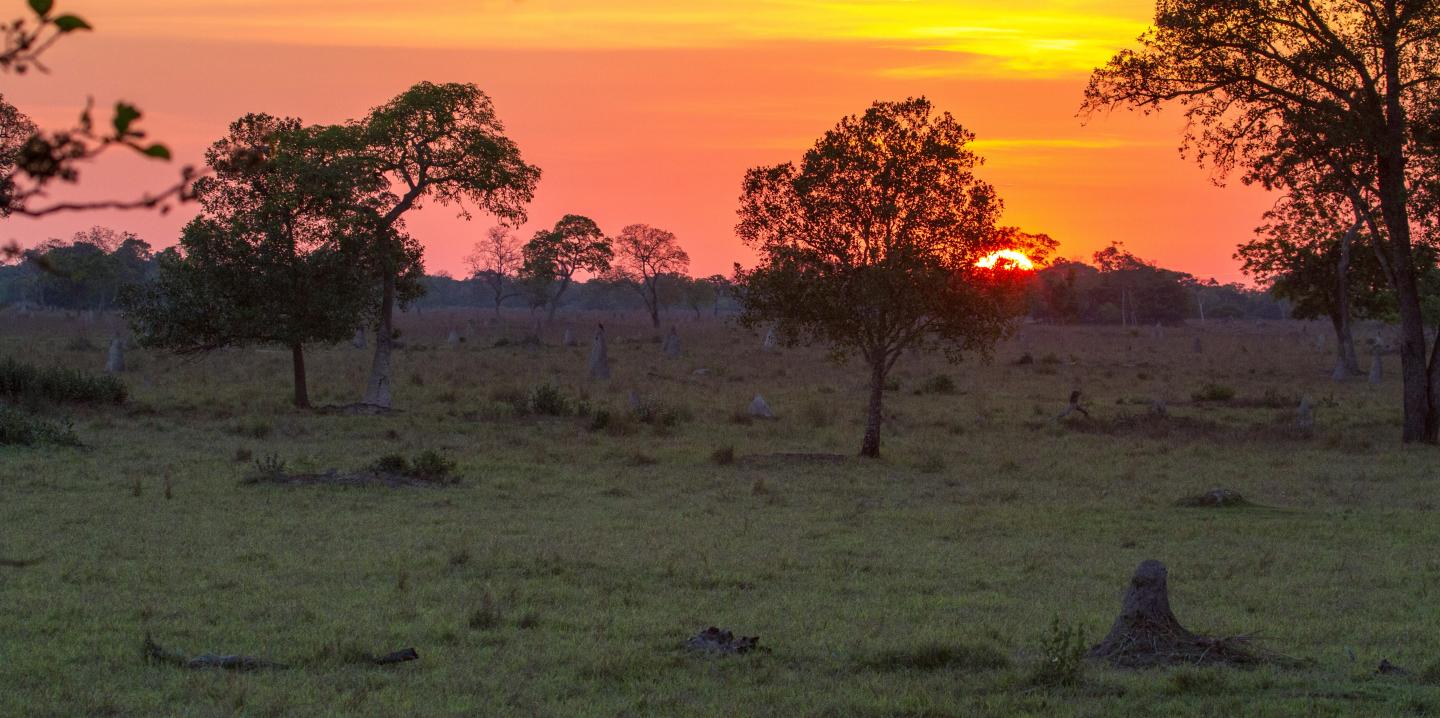
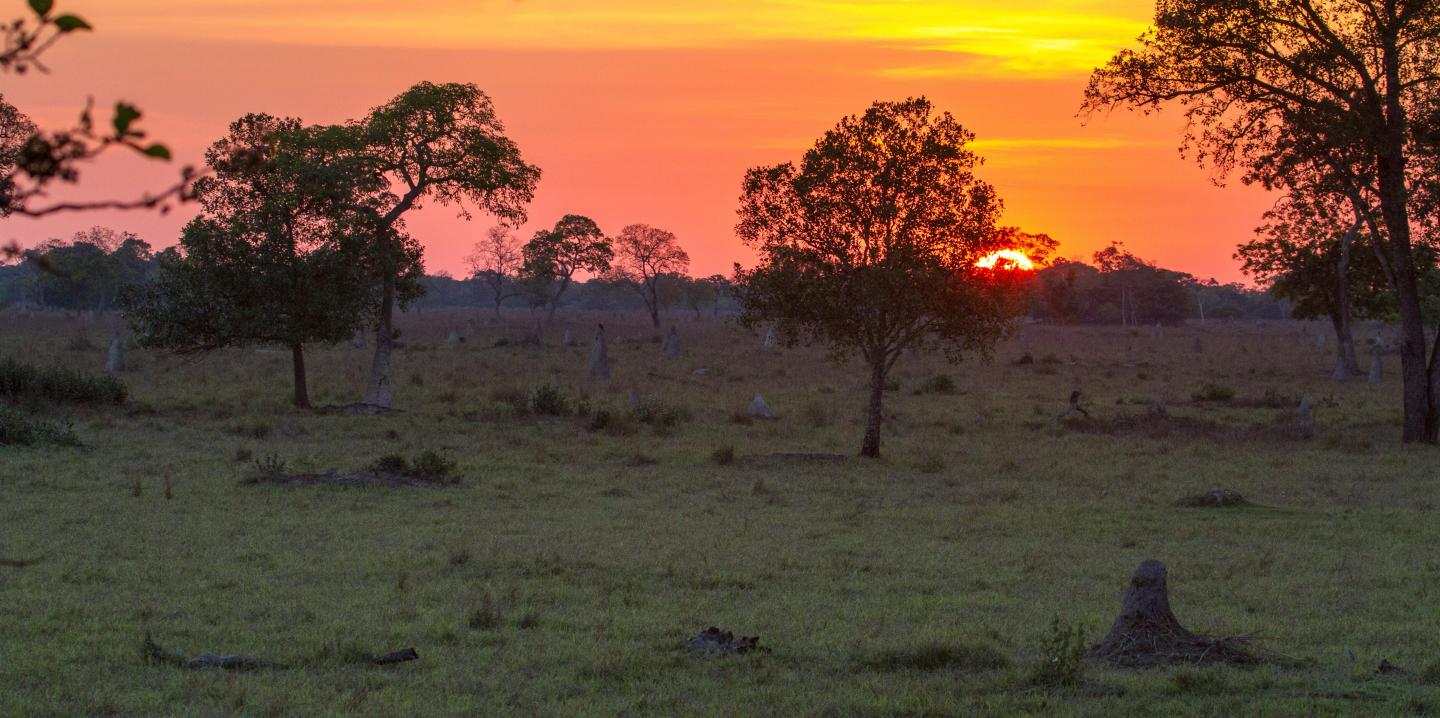
IMAGE

Credit: Gregoire Dubois

A University of Queensland-led international study published today urges the UNESCO World Heritage Convention to better conserve wilderness areas within Natural World Heritage Sites.

Lead author and UQ PhD student in the School of Earth and Environmental Sciences James Allan said the study revealed that only 1.8 per cent of the world's wilderness is protected in these sites.

Mr Allan said while some sites like the Okavango Delta in Botswana and Purnululu National Park in Australia both had excellent wilderness coverage, there were broad gaps in wilderness coverage across the globe.

The study identifies protected areas within these gaps, for example the Hukaung Valley Tiger Reserve in Myanmar or Eduardo Avaroa Andean Fauna Reserve in Bolivia that have good wilderness coverage and may warrant consideration for World Heritage Status.

"Globally important wilderness areas are increasingly being shown as not only strongholds for endangered biodiversity, but critical in the fight to abate climate change, for regulating local climates, and supporting many of the world's most culturally diverse but politically and economically marginalised communities," Mr Allan said.

"Despite their importance, wilderness areas are being destroyed at an alarming rate and need urgent protection.

"The World Heritage Convention has the ability to do this by improving wilderness coverage within Natural World Heritage Sites."

Natural World Heritage Sites (NWHS), via the formal process run by UNESCO (United Nations Educational, Scientific and Cultural Organization), are globally recognised as containing some of the Earth's most valuable and most threatened natural assets.

Senior author Associate Professor James Watson of UQ and the Wildlife Conservation Society said wilderness conservation had been almost completely ignored in environmental policy.

"There is not just an important opportunity but an urgent need for a global environmental convention to recognise the importance of conserving wilderness before it is too late," Dr Watson said.

"The World Heritage Convention can better achieve its own objectives by increasing wilderness coverage within NWHS, which in turn will raise the profile of wilderness conservation globally, and provide wilderness areas with additional protection they need. It is a win-win situation."

###

The article: "Gaps and opportunities for the World Heritage Convention to contribute to global wilderness conservation" by James Allan, Cyril Kormos, Tilman Jeager, Oscar Venter, Bastian Bertzky, Yichuan Shi, Brendan Mackey, Remco van Merm, Elena Osipova and James Watson (doi: 10.1111/cobi.12976. ) appears in Conservation Biology, June 2017, published by Wiley-Blackwell.

Media Contact

James Allan
[email protected]
61-424-982-651
@uq_news

http://www.uq.edu.au

Related Journal Article

http://dx.doi.org/10.1111/cobi.12976

############

Story Source: Materials provided by Scienmag

Share12Tweet8Share2ShareShareShare2

Related Posts

Shandong University Researchers Innovate Multi-Scale Feature Fusion and Weighted Ensemble Learning for Precise Promoter Identification Across Cell Lines — Biology

Shandong University Researchers Innovate Multi-Scale Feature Fusion and Weighted Ensemble Learning for Precise Promoter Identification Across Cell Lines

May 20, 2026
Ancient Complex Life Thrived Along Oxygen-Rich Seafloors for Hundreds of Millions of Years — Biology

Ancient Complex Life Thrived Along Oxygen-Rich Seafloors for Hundreds of Millions of Years

May 20, 2026

How Early Sexual Debut Could Influence Aging Later in Life

May 20, 2026

New Discovery Reveals How Cancer Progresses During Cell Division

May 20, 2026
Please login to join discussion

POPULAR NEWS

  • blank

    New Study Reveals Plants Can Detect the Sound of Rain

    732 shares
    Share 292 Tweet 183
  • Research Indicates Potential Connection Between Prenatal Medication Exposure and Elevated Autism Risk

    846 shares
    Share 338 Tweet 212
  • ESMO 2025: mRNA COVID Vaccines Enhance Efficacy of Cancer Immunotherapy

    293 shares
    Share 117 Tweet 73
  • Breastmilk Balances E. coli and Beneficial Bacteria in Infant Gut Microbiomes

    58 shares
    Share 23 Tweet 15

About

We bring you the latest biotechnology news from best research centers and universities around the world. Check our website.

Follow us

Recent News

Pediatric Care in Hospitals and Emergency Departments: Patient Profiles and Advances in Radiology Imaging for Children

Breaking a 200-Year-Old Belief: Novel Surface Design Achieves Two Distinct Wetting States on One Substrate

Shandong University Researchers Innovate Multi-Scale Feature Fusion and Weighted Ensemble Learning for Precise Promoter Identification Across Cell Lines

Subscribe to Blog via Email

Enter your email address to subscribe to this blog and receive notifications of new posts by email.

Join 82 other subscribers
  • Contact Us

Bioengineer.org © Copyright 2023 All Rights Reserved.

Welcome Back!

Login to your account below

Forgotten Password?

Retrieve your password

Please enter your username or email address to reset your password.

Log In
No Result
View All Result
  • Homepages
    • Home Page 1
    • Home Page 2
  • News
  • National
  • Business
  • Health
  • Lifestyle
  • Science

Bioengineer.org © Copyright 2023 All Rights Reserved.