

• HOME
  • NEWS
  • EXPLORE
    • CAREER
      • Companies
      • Jobs
    • EVENTS
    • iGEM
      • News
      • Team
    • PHOTOS
    • VIDEO
    • WIKI
  • BLOG
  • COMMUNITY
    • FACEBOOK
    • INSTAGRAM
    • TWITTER
Sunday, July 12, 2026
BIOENGINEER.ORG
No Result
View All Result
  • Login
  • HOME
  • NEWS
  • EXPLORE
    • CAREER
      • Companies
      • Jobs
        • Lecturer
        • PhD Studentship
        • Postdoc
        • Research Assistant
    • EVENTS
    • iGEM
      • News
      • Team
    • PHOTOS
    • VIDEO
    • WIKI
  • BLOG
  • COMMUNITY
    • FACEBOOK
    • INSTAGRAM
    • TWITTER
  • HOME
  • NEWS
  • EXPLORE
    • CAREER
      • Companies
      • Jobs
        • Lecturer
        • PhD Studentship
        • Postdoc
        • Research Assistant
    • EVENTS
    • iGEM
      • News
      • Team
    • PHOTOS
    • VIDEO
    • WIKI
  • BLOG
  • COMMUNITY
    • FACEBOOK
    • INSTAGRAM
    • TWITTER
No Result
View All Result
Bioengineer.org
No Result
View All Result
Home NEWS Science News Biology

Why your ancestors would have aced the long jump

Bioengineer by Bioengineer
September 11, 2017
in Biology
Reading Time: 2 mins read
0
Share on FacebookShare on TwitterShare on LinkedinShare on RedditShare on Telegram
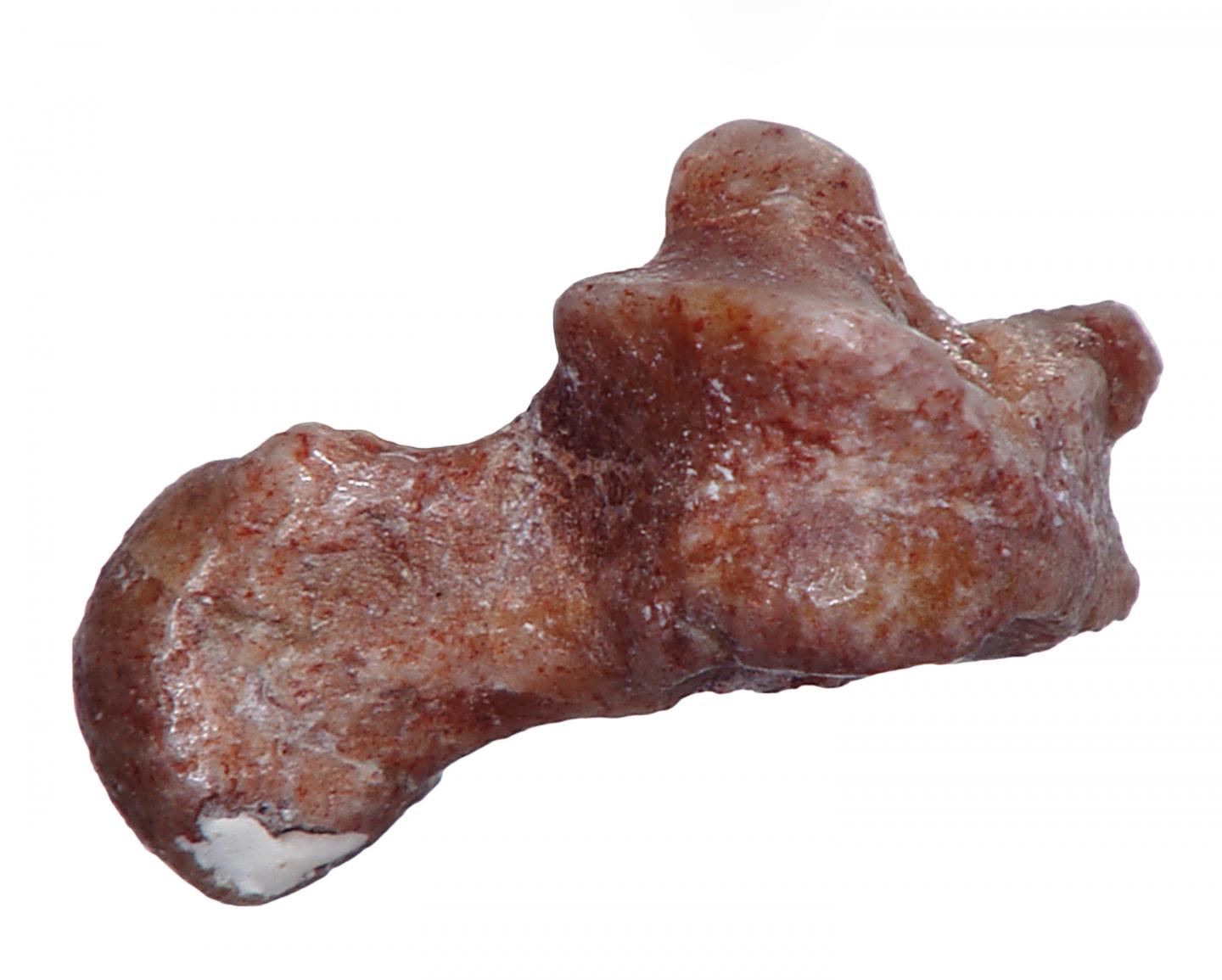
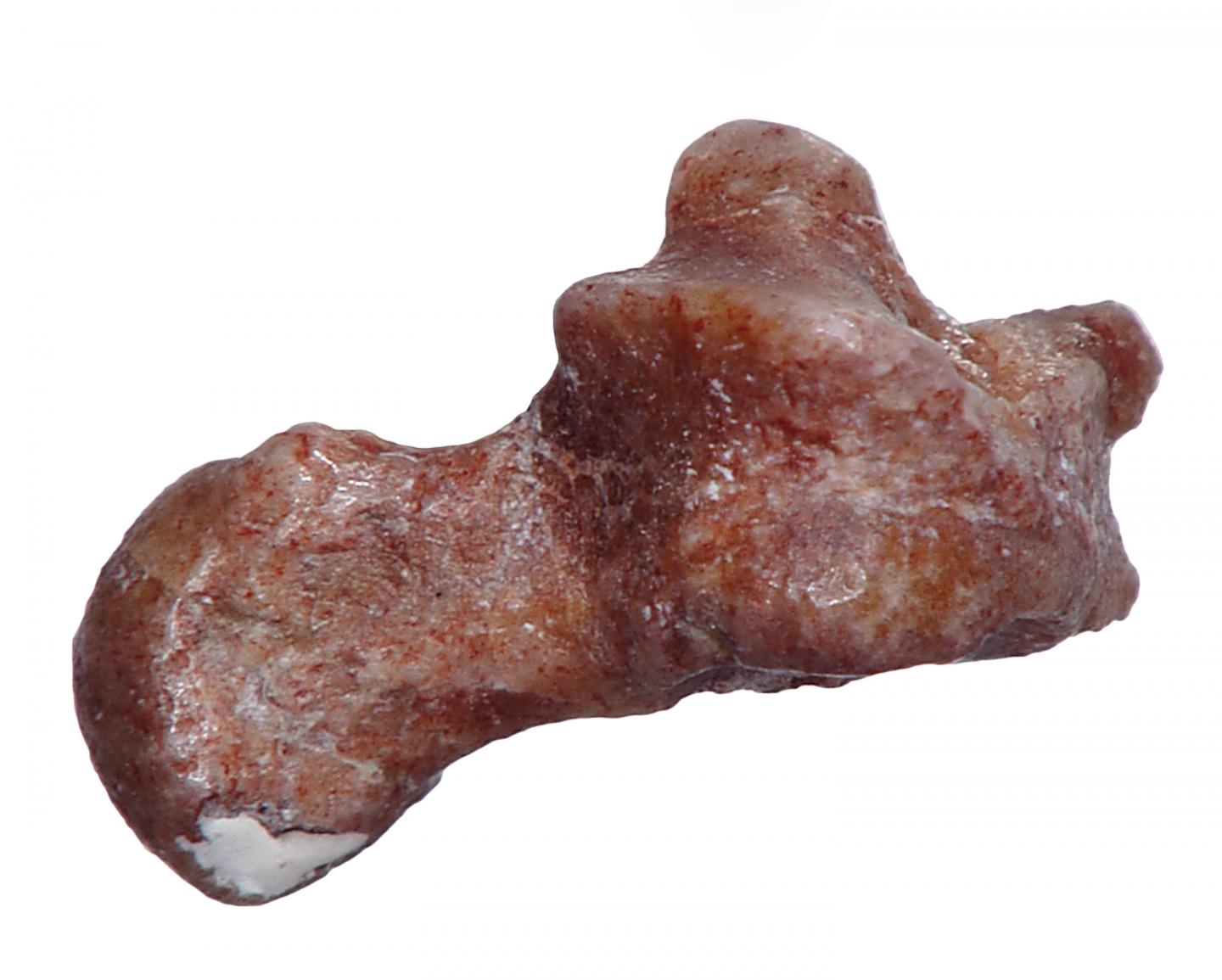
IMAGE

Credit: Photo by Douglas Boyer, Duke University

DURHAM, N.C. — A 52-million-year-old ankle fossil suggests our prehuman ancestors were high-flying acrobats.

These first primates spent most of their time in the trees rather than on the ground, but just how nimble they were as they moved around in the treetops has been a topic of dispute.

For years, scientists thought the ancestors of today's humans, monkeys, lemurs and apes were relatively slow and deliberate animals, using their grasping hands and feet to creep along small twigs and branches to stalk insects or find flowers and fruits.

But a fossil study published in the October 2017 issue of the Journal of Human Evolution suggests the first primates were masters at leaping through the trees.

Paleontologists working in a quarry in southeastern France uncovered the quarter-inch-long bone, the lower part of the ankle joint.

The fossil matched up best with a chipmunk-sized creature called Donrussellia provincialis.

Previously only known from jaws and teeth, Donrussellia is thought be one of the earliest members of the primate family tree, on the branch leading to lemurs, lorises and bush babies.

Duke University assistant professor Doug Boyer and colleagues studied scans of Donrussellia's ankle and compared it to other animals, using computer algorithms to analyze the 3-D digital shape of each tiny bone.

They were surprised to find that Donrussellia's ankle was not like those of other primates, but was more similar to those of treeshrews and other nonprimate species.

The team's analyses also suggest the animal didn't just clamber or scurry along small branches. Instead, it may have been able to bound between trunks and branches, using its grasping feet to stick the landing.

The researchers say that — contrary to what many scientists thought — the first primates may have evolved their acrobatic leaping skills first, while anatomical changes that allowed them to cling to slender branch tips and creep from tree to tree came later.

"Being able to jump from one tree to another might have been important, especially if there were ground predators around waiting to snag them," Boyer said.

###

Other authors include Séverine Toussaint of the Université Paris Diderot-Paris 7 and Marc Godinot of the École Pratique des Hautes Études in Paris.

This research was supported by Duke University and the National Science Foundation (BCS 1317525, BCS 1440742, BCS 1552848).

CITATION: "Postcrania of the Most Primitive Euprimate and Implications for Primate Origins," Doug Boyer, Séverine Toussaint and Marc Godinot. Journal of Human Evolution, October 2017. https://doi.org/10.1016/j.jhevol.2017.07.005

Media Contact

Robin Ann Smith
[email protected]
919-681-8057
@DukeU

http://www.duke.edu

Original Source

https://today.duke.edu/2017/09/why-your-ancestors-would-have-aced-long-jump http://dx.doi.org/10.1016/j.jhevol.2017.07.005


Share12Tweet8Share2ShareShareShare2

Related Posts

Han directs new $15M NIH center for organ-on-chip technology

Han directs new $15M NIH center for organ-on-chip technology

July 11, 2026
Bacteriophages Enable Next-Gen Smart Pathogen Detection Sensors

Bacteriophages Enable Next-Gen Smart Pathogen Detection Sensors

July 10, 2026

Temperature Fluctuations Have Greater Impact Than Previously Believed

July 10, 2026

New Study Uncovers Biology Behind Glioma Cancer Progression

July 10, 2026
Please login to join discussion

POPULAR NEWS

  • Detection of EDCs in Breast Milk and Infant Urine Up to Six Months Highlights Early Exposure Risks

    77 shares
    Share 31 Tweet 19
  • New Drug Candidate Developed at McMaster Shows Potential for Treating Brain Cancer

    58 shares
    Share 23 Tweet 15
  • KTU Researchers Explore Ultrasound’s Role in Enhancing Blood Flow Beyond Diagnostics

    53 shares
    Share 21 Tweet 13
  • 高齢者の骨粗鬆症治療の持続性比較

    51 shares
    Share 20 Tweet 13

About

We bring you the latest biotechnology news from best research centers and universities around the world. Check our website.

Follow us

Recent News

Anthropometric Traits and Metabolic Biomarkers Linked to Pancreatic Cancer Risk

Sedentary Time and Sleep Impact Cognitive Health in Older Diabetics

TP53 Mutation Triggers CD8+ T Cell Exhaustion Causing Therapy-Resistant Urothelial Cancer

Subscribe to Blog via Email

Enter your email address to subscribe to this blog and receive notifications of new posts by email.

Join 85 other subscribers
  • Contact Us

Bioengineer.org © Copyright 2023 All Rights Reserved.

Welcome Back!

Login to your account below

Forgotten Password?

Retrieve your password

Please enter your username or email address to reset your password.

Log In
No Result
View All Result
  • Homepages
    • Home Page 1
    • Home Page 2
  • News
  • National
  • Business
  • Health
  • Lifestyle
  • Science

Bioengineer.org © Copyright 2023 All Rights Reserved.
