• HOME
  • NEWS
  • EXPLORE
    • CAREER
      • Companies
      • Jobs
    • EVENTS
    • iGEM
      • News
      • Team
    • PHOTOS
    • VIDEO
    • WIKI
  • BLOG
  • COMMUNITY
    • FACEBOOK
    • INSTAGRAM
    • TWITTER
Saturday, May 23, 2026
BIOENGINEER.ORG
No Result
View All Result
  • Login
  • HOME
  • NEWS
  • EXPLORE
    • CAREER
      • Companies
      • Jobs
        • Lecturer
        • PhD Studentship
        • Postdoc
        • Research Assistant
    • EVENTS
    • iGEM
      • News
      • Team
    • PHOTOS
    • VIDEO
    • WIKI
  • BLOG
  • COMMUNITY
    • FACEBOOK
    • INSTAGRAM
    • TWITTER
  • HOME
  • NEWS
  • EXPLORE
    • CAREER
      • Companies
      • Jobs
        • Lecturer
        • PhD Studentship
        • Postdoc
        • Research Assistant
    • EVENTS
    • iGEM
      • News
      • Team
    • PHOTOS
    • VIDEO
    • WIKI
  • BLOG
  • COMMUNITY
    • FACEBOOK
    • INSTAGRAM
    • TWITTER
No Result
View All Result
Bioengineer.org
No Result
View All Result
Home NEWS Science News

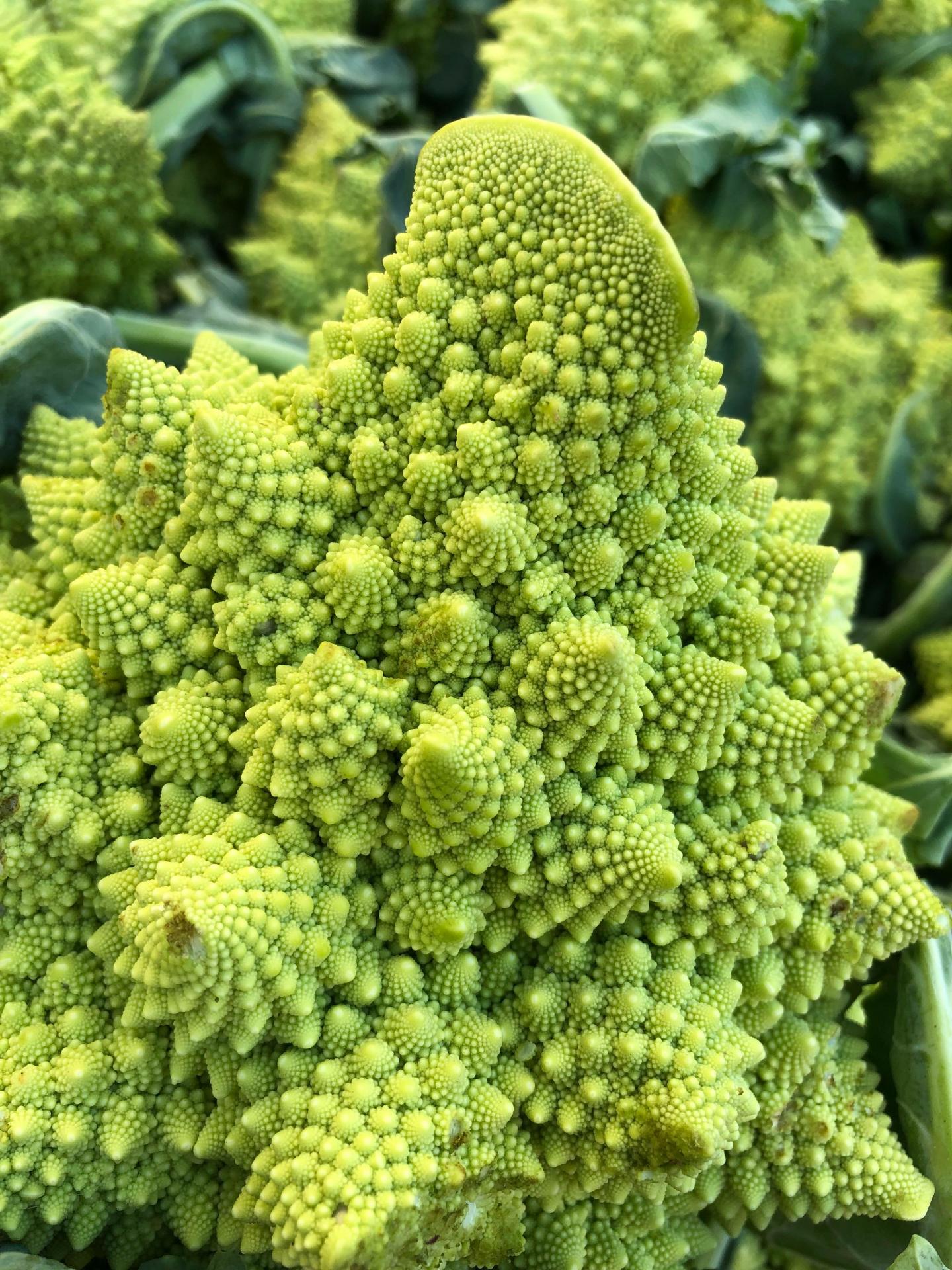
Where does the shape of the Romanesco cauliflower come from?

Bioengineer by Bioengineer
July 8, 2021
in Science News
Reading Time: 2 mins read
0
IMAGE
Share on FacebookShare on TwitterShare on LinkedinShare on RedditShare on Telegram

IMAGE

Credit: © Nathanael Prunet

The mystery of the formation of one of the most peculiar plant forms – the Romanesco cauliflower – has been solved by a team of scientists from the CNRS1 and Inria in an article published on the 9 July in Science. Thanks to work combining mathematical modelling and plant biology, the scientists were able to determine that cauliflowers, and Romanescos in particular, are in fact buds that are designed to become flowers but which never reach their goal. Instead, they develop into stems, which in turn continue trying to produce flowers. The cauliflower is born from this chain reaction, resulting in a succession of stems upon stems. This study shows that the brief incursion of buds into a flowering state profoundly affects their functioning and allows them, unlike normal stems, to grow without leaves and to multiply almost infinitely. The atypical shape of the Romanesco is explained by the fact that its stems produce buds more and more rapidly (whereas the production rate is constant in other cauliflowers). This acceleration gives each floret a pyramidal appearance, making the fractal aspect of the structure clear. The study highlights how the selection of mutations in plants during the process of domestication has changed their shape, sometimes drastically, into the fruits and vegetables on our shelves.

###

Media Contact
Elie Stecyna
[email protected]

Related Journal Article

http://dx.doi.org/10.1126/science.abg5999

Tags: BiologyCell BiologyGeneticsPlant Sciences
Share13Tweet8Share2ShareShareShare2

Related Posts

Probiotics Boost Gut Immunity in Healthy Infants — Technology and Engineering

Probiotics Boost Gut Immunity in Healthy Infants

May 23, 2026

Angptl4 Links Diet, Microbes to Gut Barrier Breakdown

May 23, 2026

Postnatal Growth Effects on Preterm Toddlers’ Body Composition

May 23, 2026

Blood Multiomics Uncover Lipid-Mitochondria Link in Cirrhosis

May 23, 2026
Please login to join discussion

POPULAR NEWS

  • blank

    New Study Reveals Plants Can Detect the Sound of Rain

    734 shares
    Share 293 Tweet 183
  • ESMO 2025: mRNA COVID Vaccines Enhance Efficacy of Cancer Immunotherapy

    311 shares
    Share 124 Tweet 78
  • Research Indicates Potential Connection Between Prenatal Medication Exposure and Elevated Autism Risk

    847 shares
    Share 339 Tweet 212
  • Common Food Preservatives Associated with Elevated Blood Pressure and Increased Heart Disease Risk

    55 shares
    Share 22 Tweet 14

About

We bring you the latest biotechnology news from best research centers and universities around the world. Check our website.

Follow us

Recent News

Probiotics Boost Gut Immunity in Healthy Infants

Angptl4 Links Diet, Microbes to Gut Barrier Breakdown

Postnatal Growth Effects on Preterm Toddlers’ Body Composition

Subscribe to Blog via Email

Enter your email address to subscribe to this blog and receive notifications of new posts by email.

Join 82 other subscribers
  • Contact Us

Bioengineer.org © Copyright 2023 All Rights Reserved.

Welcome Back!

Login to your account below

Forgotten Password?

Retrieve your password

Please enter your username or email address to reset your password.

Log In
No Result
View All Result
  • Homepages
    • Home Page 1
    • Home Page 2
  • News
  • National
  • Business
  • Health
  • Lifestyle
  • Science

Bioengineer.org © Copyright 2023 All Rights Reserved.