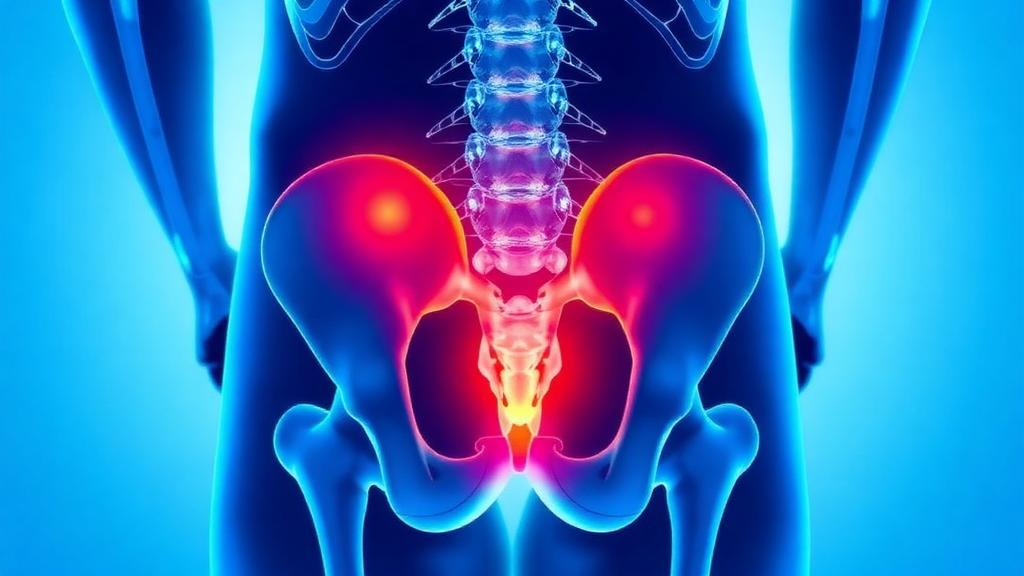
Herpes zoster, commonly known as shingles, is a familiar clinical entity to most physicians: a painful, blistering rash that typically wraps around the torso in a single stripe. Yet a newly published case report in Clinical Case Reports reminds the medical community that this reactivated varicella-zoster virus can strike far more quietly consequential territory. A 50-year-old woman arrived at a dermatology clinic in Iran with five days of severe burning pain in her left buttock, accompanied by new urinary frequency and painful urination. Within forty-eight hours of the first symptoms, clusters of fluid-filled vesicles had erupted along her left buttock and the inner surfaces of the labia. The diagnosis was sacral herpes zoster involving the S3 dermatome, an uncommon presentation that accounts for only about four to eight percent of all shingles cases but carries an outsized potential for urological and neurological complications.
The clinical significance of sacral zoster lies in anatomy. The sacral nerve roots, particularly S2 through S4, carry both autonomic and somatic fibers that govern the bladder, bowel, and genital region. When the reactivated virus inflames these roots, the consequences extend well beyond skin and pain. Patients can develop urinary retention, incomplete bladder emptying, constipation, erectile dysfunction, and, in rare severe instances, sacral radiculomyelitis or Elsberg syndrome, a condition in which inflammation spreads to the conus medullaris and cauda equina. The case report, authored by Aida Farmani and colleagues at Isfahan University of Medical Sciences, documents how the virus’s predilection for dorsal root ganglia translates into dysfunction of organs that seem, on the surface, unrelated to a dermatomal rash.
In this patient’s case, the diagnostic pathway illustrates both the challenge and the solution. Her urinalysis showed no pyuria and her urine culture remained sterile, ruling out the urinary tract infection her dysuria might otherwise have suggested. A Tzanck smear revealed herpetic cytopathic effects, including the characteristic multinucleated giant cells that signal infection with a herpesvirus. But because herpes simplex virus can produce an identical smear picture, particularly in the genital and perineal region, the team turned to polymerase chain reaction testing on a vesicular swab. PCR is considered the diagnostic gold standard, especially in atypical or site-specific presentations like sacral zoster, because it definitively distinguishes varicella-zoster virus from herpes simplex virus, a distinction with very different implications for counseling, treatment, and prognosis.
Treatment began on the day of dermatological evaluation, roughly five days after symptom onset. The patient received oral valacyclovir at 1000 milligrams three times daily for seven days, along with gabapentin titrated for neuropathic pain. No urinary catheterization was necessary because her residual urine volumes remained low and she never developed severe retention. The clinical course was favorable: urinary symptoms resolved completely within two weeks, the skin lesions crusted and epithelialized by three weeks, and at three-month follow-up she reported only mild intermittent neuropathic dysesthesia. This relatively benign trajectory, the authors note, contrasts with some previously documented cases in which bladder dysfunction persisted for months or became permanent.
The pathophysiology of urinary dysfunction in sacral zoster is multifactorial but centers on inflammatory neuritis. The S2 through S4 nerve roots provide parasympathetic innervation to the detrusor muscle, the smooth muscle responsible for contracting the bladder during emptying. Demyelination and inflammation of these fibers can produce detrusor areflexia or hypocontractility, leaving the bladder unable to generate adequate pressure. The result is urinary retention, incomplete emptying, or dysuria. In more extensive infections, the virus can ascend to involve the spinal cord itself, producing radiculomyelitis. Urodynamic studies in previously reported patients have documented hypotonic detrusor function and bladder areflexia, confirming that the neurological injury is real and measurable, not merely subjective.
One of the most treacherous features of sacral zoster is its tendency to announce itself through visceral symptoms before any rash appears. The literature reviewed by the authors includes multiple patients whose first and dominant complaint was acute urinary retention or voiding difficulty, with vesicular eruptions emerging only days later. In such presentations, patients are easily misdiagnosed with urinary tract infection, prostatitis, vulvovaginitis, or other pelvic pathology, delaying antiviral therapy precisely during the window when it is most effective. The authors urge clinicians to consider varicella-zoster virus in any patient presenting with acute urinary symptoms accompanied by dermatomal pain, paresthesia, or perineal discomfort, even when the skin appears entirely normal.
The case report includes a comprehensive table summarizing previously published cases, and the patterns are instructive. Richmond’s classic 1974 series described a 74-year-old woman with S3 zoster and urinary retention who required catheter drainage for thirteen weeks before spontaneous voiding returned. Erol and colleagues reported a 41-year-old man with S2 through S5 involvement who suffered urinary retention, erectile dysfunction, anorectal dysfunction, and even VZV meningitis, though most deficits improved within two weeks of parenteral acyclovir. Seo and colleagues documented an 80-year-old man whose urodynamic testing revealed detrusor areflexia, while Biglione and colleagues reported a 75-year-old man who, at eight-week follow-up, still showed hypotonic neurogenic bladder on urodynamics and required ongoing alpha-blocker therapy for autonomic nerve damage. Across the collected cases, S2 through S4 involvement dominated, urinary retention and voiding dysfunction were the most common urological manifestations, and constipation, dysuria, and sexual dysfunction appeared repeatedly.
Management principles emerging from the accumulated literature are relatively consistent. Early antiviral therapy is critical to limit viral replication, reduce disease severity, and potentially decrease neurological complications. Oral acyclovir or valacyclovir suffices for uncomplicated cases, while intravenous acyclovir is reserved for severe neurological involvement, suspected radiculomyelitis, or significant urinary retention. Adjunctive gabapentin is commonly needed for neuropathic pain. From the urological side, acute retention demands prompt bladder decompression to prevent overdistension injury, alpha-blockers such as tamsulosin have been used to facilitate voiding, and bowel dysfunction may require laxatives or stool softeners. Persistent urinary dysfunction warrants urological follow-up and urodynamic assessment to guide long-term management. Most cases of urinary dysfunction resolve within several weeks, but delayed diagnosis, older age, and extensive neurological involvement are associated with poorer recovery.
The broader lesson of this case extends to vaccination and public health. The patient had no history of varicella or herpes zoster vaccination and no known immunosuppression, underscoring that sacral zoster can occur in otherwise healthy, middle-aged adults. As shingles vaccines reduce the overall incidence of zoster, atypical presentations like this one will become rarer but no less important to recognize, since the diagnostic delay they cause is precisely what allows complications to take root. For dermatologists, urologists, and primary care clinicians alike, the message is straightforward: unexplained acute urinary symptoms paired with unilateral sacral or perineal pain should trigger consideration of varicella-zoster reactivation, careful skin inspection of the S2 through S4 dermatomes, and a low threshold for PCR confirmation. Early recognition, the authors conclude, combined with prompt antiviral treatment and appropriate supportive care, offers the best chance of preventing the prolonged neurological complications that transform a self-limiting rash into lasting disability.
Subject of Research: Sacral herpes zoster presenting with urinary symptoms
Article Title: Isolated Sacral Herpes Zoster With Urinary Symptoms: A Case Report and a Brief Review of the Literature
Article References: Farmani, A., Seyedyousefi, S., & Saber, M. (2026). Isolated Sacral Herpes Zoster With Urinary Symptoms: A Case Report and a Brief Review of the Literature. Clinical Case Reports, 14(10), Article e73684. https://doi.org/10.1002/ccr3.73684
Image Credits: AI Generated
DOI: 10.1002/ccr3.73684
Keywords: herpes zoster, varicella-zoster virus, sacral dermatome, urinary retention, neurogenic bladder, valacyclovir, PCR diagnosis, Elsberg syndrome, detrusor areflexia, postherpetic neuralgia, shingles, case report
News Source: Ophelia Keating. (October 7, 2026). When Shingles Strikes the Sacral Nerves: Rare Zoster Case Disrupts Bladder Control. Scienmag.