• HOME
  • NEWS
  • EXPLORE
    • CAREER
      • Companies
      • Jobs
    • EVENTS
    • iGEM
      • News
      • Team
    • PHOTOS
    • VIDEO
    • WIKI
  • BLOG
  • COMMUNITY
    • FACEBOOK
    • INSTAGRAM
    • TWITTER
Sunday, July 5, 2026
BIOENGINEER.ORG
No Result
View All Result
  • Login
  • HOME
  • NEWS
  • EXPLORE
    • CAREER
      • Companies
      • Jobs
        • Lecturer
        • PhD Studentship
        • Postdoc
        • Research Assistant
    • EVENTS
    • iGEM
      • News
      • Team
    • PHOTOS
    • VIDEO
    • WIKI
  • BLOG
  • COMMUNITY
    • FACEBOOK
    • INSTAGRAM
    • TWITTER
  • HOME
  • NEWS
  • EXPLORE
    • CAREER
      • Companies
      • Jobs
        • Lecturer
        • PhD Studentship
        • Postdoc
        • Research Assistant
    • EVENTS
    • iGEM
      • News
      • Team
    • PHOTOS
    • VIDEO
    • WIKI
  • BLOG
  • COMMUNITY
    • FACEBOOK
    • INSTAGRAM
    • TWITTER
No Result
View All Result
Bioengineer.org
No Result
View All Result
Home NEWS Science News Biology

When life gives you lemons, make bioplastics!

Bioengineer by Bioengineer
July 14, 2017
in Biology
Reading Time: 2 mins read
0
Share on FacebookShare on TwitterShare on LinkedinShare on RedditShare on Telegram
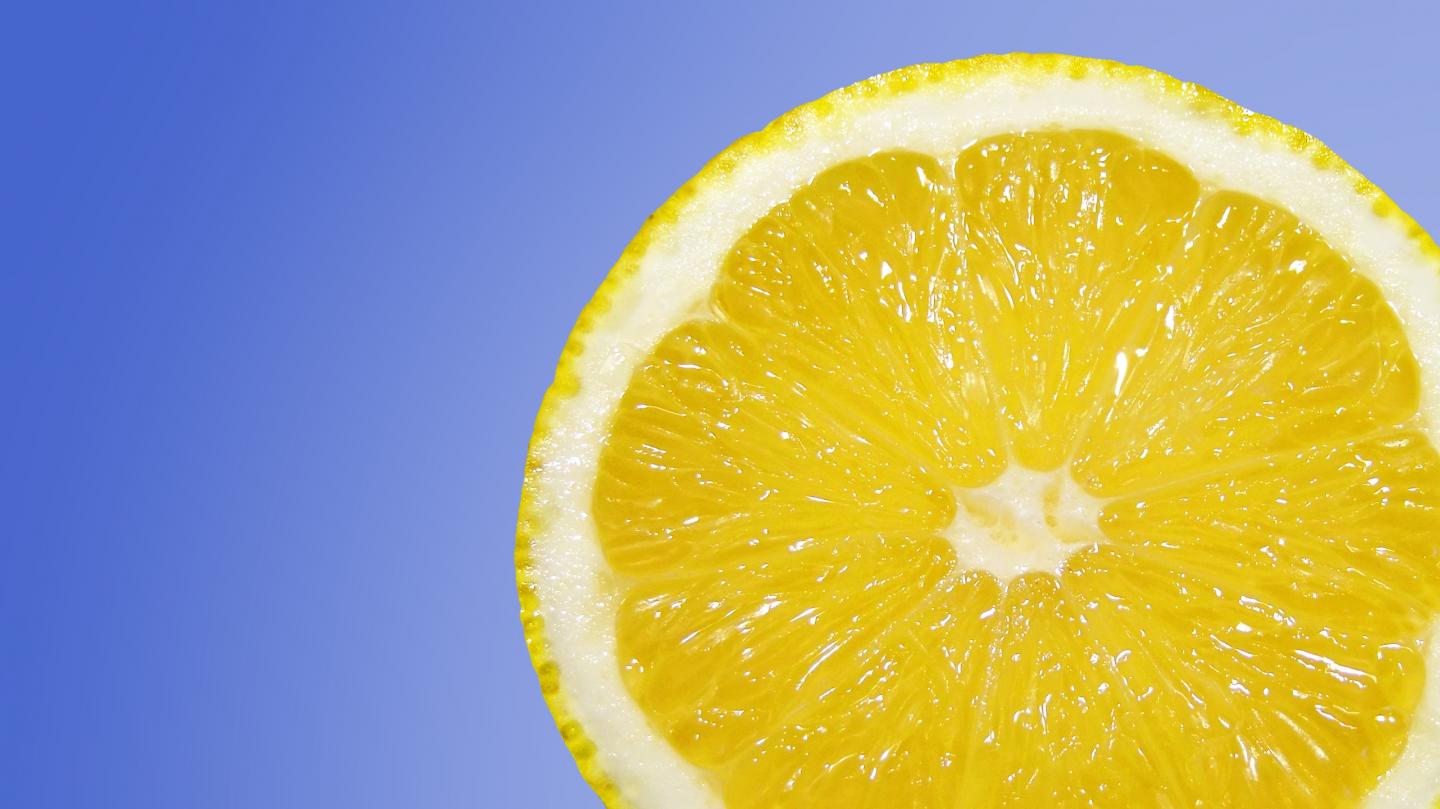
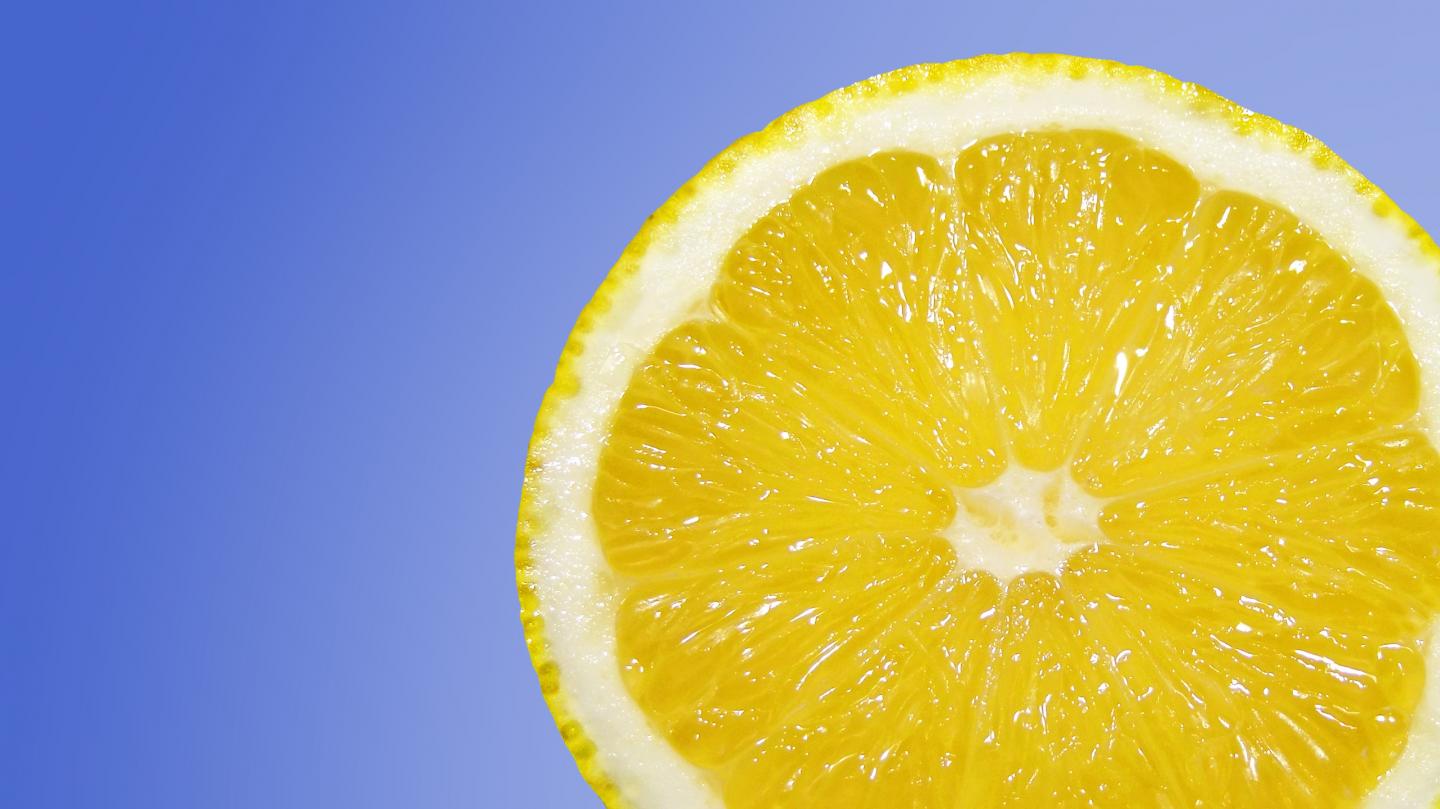
IMAGE

Credit: Public domain

From your phone case to airplane windows, polycarbonates are everywhere. Several million tons of polycarbonate are produced every year around the world. However, worries about the dangers of this material are increasing because of the toxicity of its precursors, especially bisphenol-A, a potential carcinogen.

Now, a team of chemists led by Arjan Kleij, ICIQ group leader and ICREA professor, developed a method to produce polycarbonates from limonene and CO2, both abundant and natural products. Besides, limonene is able to replace a dangerous building block currently used in commercial polycarbonates: bisphenol-A (also known as BPA). Although BPA has been repeatedly classified as a safe chemical by American and European agencies, some studies point out that it is a potential endocrine-disruptor, neurotoxic, and carcinogen. Some countries like France, Denmark and Turkey have banned the use of BPA in the production of baby bottles.

'BPA is safe, but still causes concerns and is produced from petroleum feedstock,' Kleij points out. 'Our approach replaces it with limonene, which can be isolated from lemons and oranges, giving us a much greener, more sustainable alternative,' he adds. Because fully replacing BPA for limonene can be complicated for most industries at this moment, Kleij explains that BPA can increasingly take over. 'We can start adding small quantities of limonene, then progressively substituting BPA,' he comments. 'Step by step, the adaptation process could lead to new limonene derived biomaterials with similar, or even enhanced and novel properties.'

The researchers not only succeeded in producing a more environmentally friendly polymer, but they also managed to improve its thermal properties. This limonene-derived polymer has the highest glass transition temperature ever reported for a polycarbonate. 'We were quite surprised to find this, because known bio-plastics have worse thermal properties than classic polymers,' explains Kleij. 'We were first sceptic about these findings, but we were able to reproduce these features consistently'. Having a high glass transition temperature has other implications: the new plastics require higher temperatures to melt, which make them safer for everyday use. Moreover, this new polymer can also offer a myriad of new applications for polycarbonates and block copolymers using appropriate material formulations.

Kleij and co-workers are currently negotiating with plastic producers to further advance the industrial manufacture of limonene-derived biomaterials.

###

Media Contact

Fernando Gomollón Bel
[email protected]
34-977-920-200 x370
@ICIQchem

http://www.iciq.es/

Related Journal Article

http://dx.doi.org/10.1021/acscatal.7b00770
Share12Tweet8Share2ShareShareShare2

Related Posts

Evolution-Inspired Biosensors Revolutionize Lipid Tracking in Real Time — Biology

Evolution-Inspired Biosensors Revolutionize Lipid Tracking in Real Time

July 2, 2026
New Study Reveals How to Reduce Risk of Dangerous Wildlife Encounters This Summer — Biology

New Study Reveals How to Reduce Risk of Dangerous Wildlife Encounters This Summer

July 2, 2026

Hepatic IFRD1 Alleviates Metabolic Dysfunction-Linked Steatohepatitis Through the GLUD1/α-KG Pathway

July 2, 2026

Intricate Food Webs Support Ecosystem Health and Stability

July 2, 2026
Please login to join discussion

POPULAR NEWS

  • Detection of EDCs in Breast Milk and Infant Urine Up to Six Months Highlights Early Exposure Risks

    77 shares
    Share 31 Tweet 19
  • Saying Goodbye to PGY-6: Pediatric Fellowship Realities

    103 shares
    Share 41 Tweet 26
  • New Drug Candidate Developed at McMaster Shows Potential for Treating Brain Cancer

    58 shares
    Share 23 Tweet 15
  • KTU Researchers Explore Ultrasound’s Role in Enhancing Blood Flow Beyond Diagnostics

    53 shares
    Share 21 Tweet 13

About

We bring you the latest biotechnology news from best research centers and universities around the world. Check our website.

Follow us

Recent News

Quasi-Bound States Boost Quantum Well Photoresponse

Lysine Pyruvylation Links Glycolysis to Epigenetics

Multiphysics Coupling: Single vs. Multiple DeepONet Branches

Subscribe to Blog via Email

Success! An email was just sent to confirm your subscription. Please find the email now and click 'Confirm' to start subscribing.

Join 83 other subscribers
  • Contact Us

Bioengineer.org © Copyright 2023 All Rights Reserved.

Welcome Back!

Login to your account below

Forgotten Password?

Retrieve your password

Please enter your username or email address to reset your password.

Log In
No Result
View All Result
  • Homepages
    • Home Page 1
    • Home Page 2
  • News
  • National
  • Business
  • Health
  • Lifestyle
  • Science

Bioengineer.org © Copyright 2023 All Rights Reserved.