• HOME
  • NEWS
  • EXPLORE
    • CAREER
      • Companies
      • Jobs
    • EVENTS
    • iGEM
      • News
      • Team
    • PHOTOS
    • VIDEO
    • WIKI
  • BLOG
  • COMMUNITY
    • FACEBOOK
    • INSTAGRAM
    • TWITTER
Sunday, January 11, 2026
BIOENGINEER.ORG
No Result
View All Result
  • Login
  • HOME
  • NEWS
  • EXPLORE
    • CAREER
      • Companies
      • Jobs
        • Lecturer
        • PhD Studentship
        • Postdoc
        • Research Assistant
    • EVENTS
    • iGEM
      • News
      • Team
    • PHOTOS
    • VIDEO
    • WIKI
  • BLOG
  • COMMUNITY
    • FACEBOOK
    • INSTAGRAM
    • TWITTER
  • HOME
  • NEWS
  • EXPLORE
    • CAREER
      • Companies
      • Jobs
        • Lecturer
        • PhD Studentship
        • Postdoc
        • Research Assistant
    • EVENTS
    • iGEM
      • News
      • Team
    • PHOTOS
    • VIDEO
    • WIKI
  • BLOG
  • COMMUNITY
    • FACEBOOK
    • INSTAGRAM
    • TWITTER
No Result
View All Result
Bioengineer.org
No Result
View All Result
Home NEWS Science News Biology

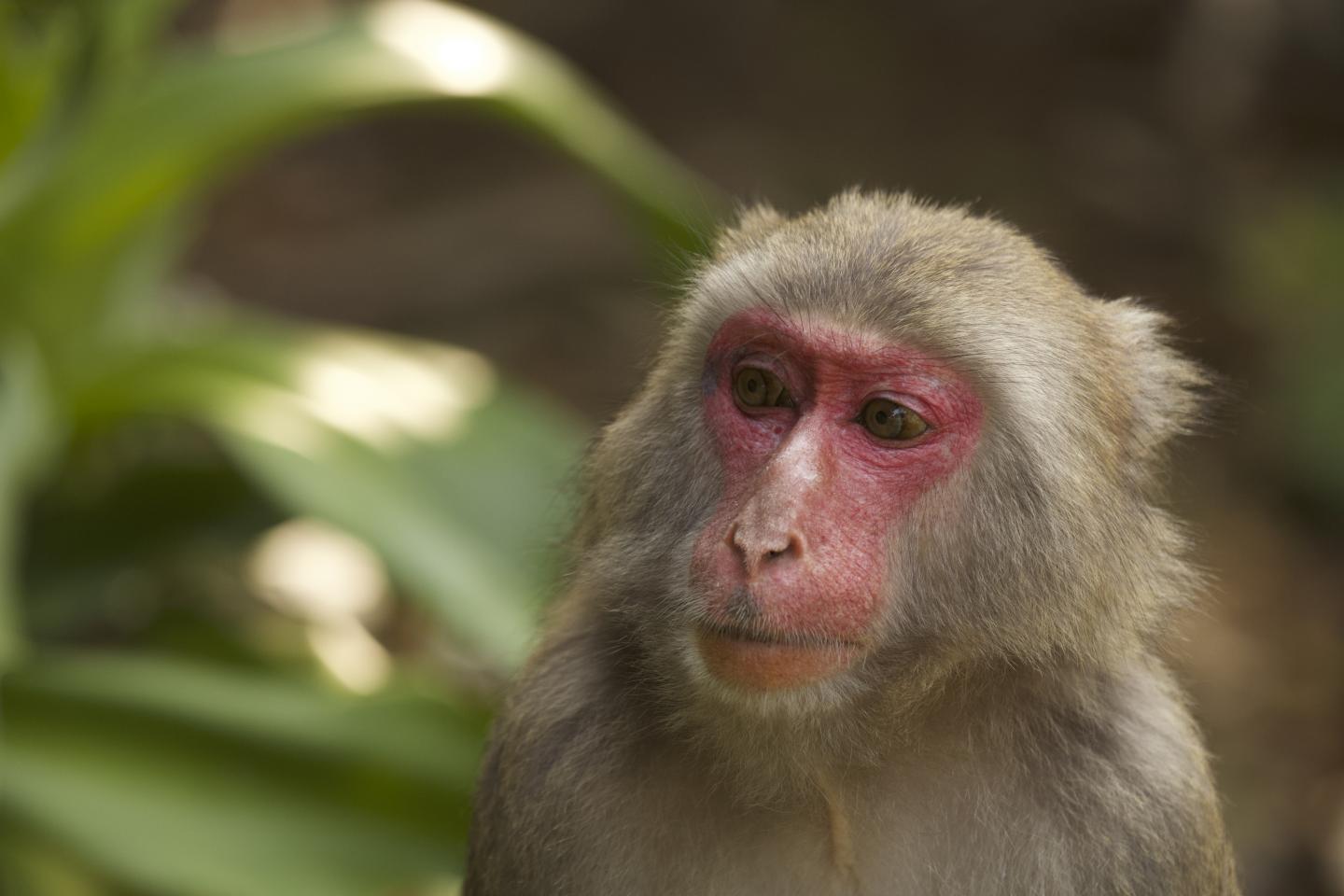
What do the red ‘ornaments’ of female macaques mean?

Bioengineer by Bioengineer
July 19, 2019
in Biology
Reading Time: 2 mins read
0
IMAGE
Share on FacebookShare on TwitterShare on LinkedinShare on RedditShare on Telegram

IMAGE

Credit: Lucie Rigaill

Many human cultures associate the colour red with sexuality and fertility. Among nonhuman primates too, red skin coloration is thought to contribute to sexual attractiveness. Indeed, in certain species, females are drawn more to the most colourful males. Yet the link between female coloration and attractiveness has been the subject of less investigation. So researchers from the CNRS (1), Kyoto University, and New York University looked at Japanese macaques to address this question. During their reproductive season, from November to February, both male and female macaques present redder faces and hindquarters. The scientists demonstrated that, contrary to what had been assumed for several years, such colour variations among female macaques do not precisely indicate the time of ovulation. On the other hand, dominant female macaques, who usually have greater reproductive success, have darker hindquarters. To reach these conclusions, the research team studied 12 female macaques at the Kyoto University Primate Research Institute over a three-month period. Using photographs taken every two days, the scientists developed a model of macaque visual perception to determine which colour variations these primates were able to detect. Their findings have been published in Behavioral Ecology and Sociobiology.

(1) Eco-anthropologie laboratory (CNRS/Muséum national d’Histoire naturelle/Université de Paris)

###

Media Contact
Veronique Etienne
[email protected]

Original Source

https://www.cnrs.fr/en/what-do-red-ornaments-female-macaques-mean

Related Journal Article

http://dx.doi.org/10.1007/s00265-019-2712-x

Tags: BiologyEvolutionPets/EthologyPhysiologySexual BehaviorZoology/Veterinary Science
Share12Tweet8Share2ShareShareShare2

Related Posts

Trypanosoma cruzi’s Genome Unveils 32 Chromosomes, 3 Compartments

Trypanosoma cruzi’s Genome Unveils 32 Chromosomes, 3 Compartments

January 11, 2026
Unlocking Sperm Motility: Insights from Chicken Genetics

Unlocking Sperm Motility: Insights from Chicken Genetics

January 11, 2026

Exploring Heterosis in Abaca BC2 Hybrid Dioscoro 1

January 10, 2026

OFP Gene Family in Soybean: Height and Salinity Insights

January 10, 2026
Please login to join discussion

POPULAR NEWS

  • Enhancing Spiritual Care Education in Nursing Programs

    154 shares
    Share 62 Tweet 39
  • PTSD, Depression, Anxiety in Childhood Cancer Survivors, Parents

    145 shares
    Share 58 Tweet 36
  • Robotic Ureteral Reconstruction: A Novel Approach

    49 shares
    Share 20 Tweet 12
  • Impact of Vegan Diet and Resistance Exercise on Muscle Volume

    47 shares
    Share 19 Tweet 12

About

We bring you the latest biotechnology news from best research centers and universities around the world. Check our website.

Follow us

Recent News

Challenging Fatphobia in Brazilian Health Care Training

Assessing Asymmetries in Female Volleyball Players’ Mobility

Detecting Mental Stress in Housewives Using Wearable Tech

Subscribe to Blog via Email

Enter your email address to subscribe to this blog and receive notifications of new posts by email.

Join 71 other subscribers
  • Contact Us

Bioengineer.org © Copyright 2023 All Rights Reserved.

Welcome Back!

Login to your account below

Forgotten Password?

Retrieve your password

Please enter your username or email address to reset your password.

Log In
No Result
View All Result
  • Homepages
    • Home Page 1
    • Home Page 2
  • News
  • National
  • Business
  • Health
  • Lifestyle
  • Science

Bioengineer.org © Copyright 2023 All Rights Reserved.