• HOME
  • NEWS
  • EXPLORE
    • CAREER
      • Companies
      • Jobs
    • EVENTS
    • iGEM
      • News
      • Team
    • PHOTOS
    • VIDEO
    • WIKI
  • BLOG
  • COMMUNITY
    • FACEBOOK
    • INSTAGRAM
    • TWITTER
Wednesday, May 20, 2026
BIOENGINEER.ORG
No Result
View All Result
  • Login
  • HOME
  • NEWS
  • EXPLORE
    • CAREER
      • Companies
      • Jobs
        • Lecturer
        • PhD Studentship
        • Postdoc
        • Research Assistant
    • EVENTS
    • iGEM
      • News
      • Team
    • PHOTOS
    • VIDEO
    • WIKI
  • BLOG
  • COMMUNITY
    • FACEBOOK
    • INSTAGRAM
    • TWITTER
  • HOME
  • NEWS
  • EXPLORE
    • CAREER
      • Companies
      • Jobs
        • Lecturer
        • PhD Studentship
        • Postdoc
        • Research Assistant
    • EVENTS
    • iGEM
      • News
      • Team
    • PHOTOS
    • VIDEO
    • WIKI
  • BLOG
  • COMMUNITY
    • FACEBOOK
    • INSTAGRAM
    • TWITTER
No Result
View All Result
Bioengineer.org
No Result
View All Result
Home NEWS Science News Biology

What are the environmental impacts of cancer drugs?

Bioengineer by Bioengineer
April 8, 2020
in Biology
Reading Time: 1 min read
0
IMAGE
Share on FacebookShare on TwitterShare on LinkedinShare on RedditShare on Telegram

IMAGE

Credit: Christopher J. Malyniuk

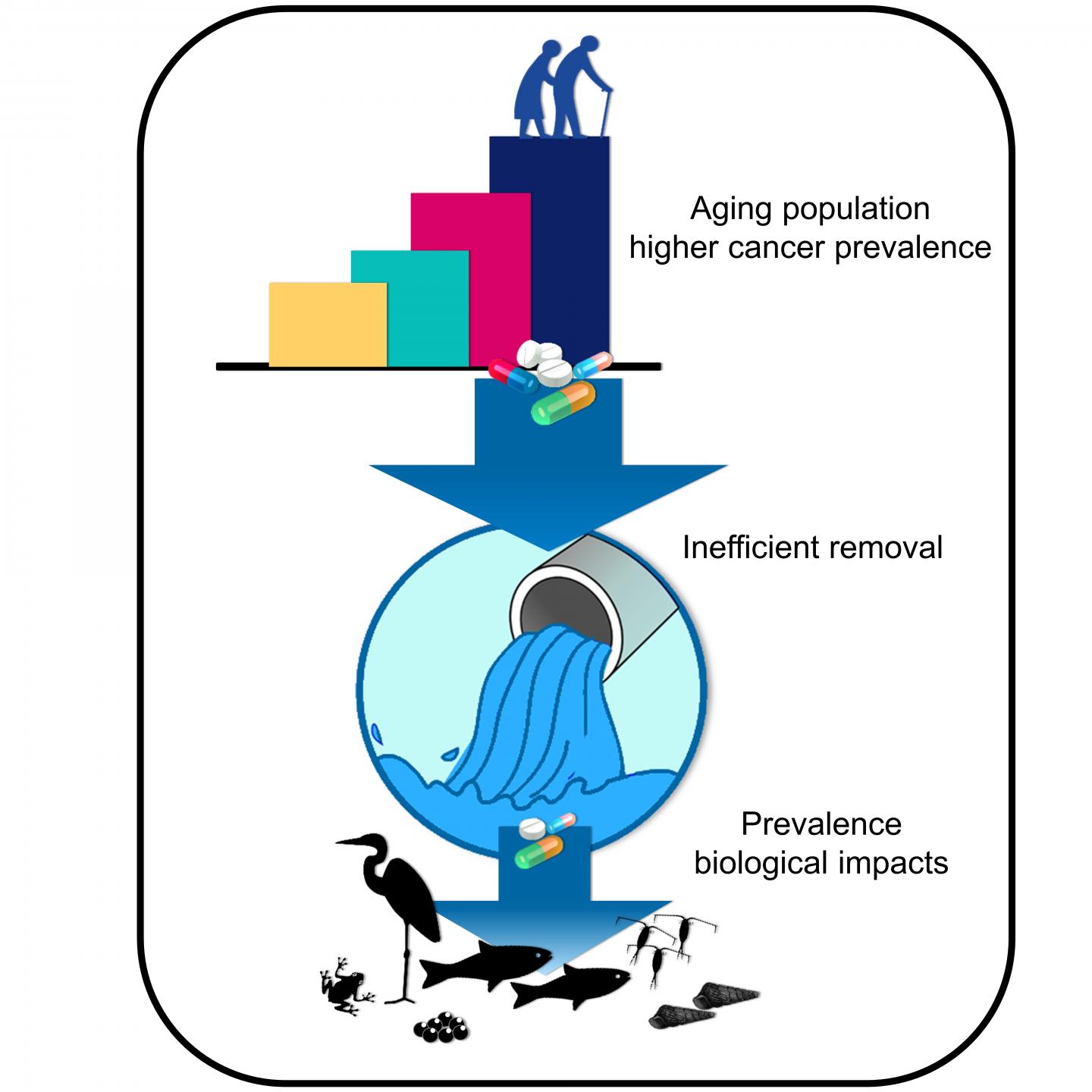
Chemotherapeutic drugs, also known as antineoplastic agents, that are prescribed to treat a range of cancer types, enter the aquatic environment via human excretion and wastewater treatment facilities. A review published in Environmental Toxicology and Chemistry indicates that very few studies have characterized the effects of antineoplastic agents that are released into aquatic environments.

The authors noted that with hundreds of antineoplastic agents in late-stage clinical development, it is essential to understand the toxicity of these compounds in aquatic environments in order to inform future regulations.

“The global population is aging, and cancer-fighting pharmaceuticals are being detected in water systems. We need to be proactive as a scientific community and identify potential gaps in our knowledge regarding the consequences of anti-neoplastic exposure in aquatic organisms,” said corresponding author Christopher J. Martyniuk, of the University of Florida at the College of Veterinary Medicine.

###

Media Contact
Penny Smith
[email protected]

Related Journal Article

http://dx.doi.org/10.1002/etc.4687

Tags: BiologycancerEcology/EnvironmentEnvironmental Health
Share12Tweet8Share2ShareShareShare2

Related Posts

Shandong University Researchers Innovate Multi-Scale Feature Fusion and Weighted Ensemble Learning for Precise Promoter Identification Across Cell Lines — Biology

Shandong University Researchers Innovate Multi-Scale Feature Fusion and Weighted Ensemble Learning for Precise Promoter Identification Across Cell Lines

May 20, 2026
Ancient Complex Life Thrived Along Oxygen-Rich Seafloors for Hundreds of Millions of Years — Biology

Ancient Complex Life Thrived Along Oxygen-Rich Seafloors for Hundreds of Millions of Years

May 20, 2026

How Early Sexual Debut Could Influence Aging Later in Life

May 20, 2026

New Discovery Reveals How Cancer Progresses During Cell Division

May 20, 2026
Please login to join discussion

POPULAR NEWS

  • blank

    New Study Reveals Plants Can Detect the Sound of Rain

    732 shares
    Share 292 Tweet 183
  • Research Indicates Potential Connection Between Prenatal Medication Exposure and Elevated Autism Risk

    846 shares
    Share 338 Tweet 212
  • ESMO 2025: mRNA COVID Vaccines Enhance Efficacy of Cancer Immunotherapy

    293 shares
    Share 117 Tweet 73
  • Breastmilk Balances E. coli and Beneficial Bacteria in Infant Gut Microbiomes

    58 shares
    Share 23 Tweet 15

About

We bring you the latest biotechnology news from best research centers and universities around the world. Check our website.

Follow us

Recent News

Pediatric Care in Hospitals and Emergency Departments: Patient Profiles and Advances in Radiology Imaging for Children

Breaking a 200-Year-Old Belief: Novel Surface Design Achieves Two Distinct Wetting States on One Substrate

Shandong University Researchers Innovate Multi-Scale Feature Fusion and Weighted Ensemble Learning for Precise Promoter Identification Across Cell Lines

Subscribe to Blog via Email

Enter your email address to subscribe to this blog and receive notifications of new posts by email.

Join 82 other subscribers
  • Contact Us

Bioengineer.org © Copyright 2023 All Rights Reserved.

Welcome Back!

Login to your account below

Forgotten Password?

Retrieve your password

Please enter your username or email address to reset your password.

Log In
No Result
View All Result
  • Homepages
    • Home Page 1
    • Home Page 2
  • News
  • National
  • Business
  • Health
  • Lifestyle
  • Science

Bioengineer.org © Copyright 2023 All Rights Reserved.