
Credit: Julie O'Connor, Wayne State University
DETROIT – A Wayne State University researcher recently received a $1.9 million grant from the National Eye Institute of the National Institutes of Health for the project, "Role of AMP-Activated Protein Kinase in Bacterial Endophthalmitis."
Endophthalmitis is a severe inflammation of the interior of the eye caused by contaminating microorganisms that enter the eye following trauma or surgery, or that spread through the bloodstream from a distant infection site. Despite appropriate therapeutic intervention, bacterial endophthalmitis often results in vision loss and sometimes requires surgical removal of the eye.
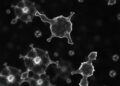
The study, led by Ashok Kumar, Ph.D., assistant professor of ophthalmology, anatomy and cell biology, microbiology, immunology, and biochemistry in the School of Medicine and Kresge Eye Institute at Wayne State University, will use a mouse model of bacterial endophthalmitis and cultured monocytes/macrophages to study the role of a metabolic gene AMP-activated protein kinase (AMPK) in regulating innate responses in endophthalmitis.
"Over the last several years, studies from our laboratory have shown that in the retina, the main ocular tissue affected in endophthalmitis, the glial cells, constitute the frontline cells of innate immunity," said Kumar. "Upon sensing pathogens such as bacteria, viruses, or fungi, these cells get activated and secrete inflammatory mediators to recruit innate immune cells, such as neutrophils and macrophages, to combat the pathogen attack. These innate cells, particularly macrophages, play a pivotal role in resolving the inflammatory processes in the diseased eye."
Kumar and his research team will investigate the link between AMP-activated protein kinase-regulated energy metabolism of monocytes and macrophages, and their role in regulating innate responses in bacterial endophthalmitis. They hope to identify novel pathways and new means to treat blinding ocular infections.
"One of the unique aspects of our study is that it is multidisciplinary, bridging three distinct disciplines of microbiology, immunology and biochemistry, collectively known as immunometabolism," said Kumar. "This is an emerging area of research that focuses on the role of metabolic reprogramming, including dynamic regulation of aerobic glycolysis, lipid synthesis and degradation, and mitochondrial activity on the outcome of immune responses. The long-term goal of our study is to determine how cellular metabolism of immune cells impacts their ability to kill pathogens and mount protective immune responses to defend the eye from infection."
Because of an aging U.S. population and the increasing prevalence of antibiotic-resistant bacterial pathogens causing ocular infections, this study is of critical importance, as it may lead to the development of new anti-inflammatory therapeutics for the prevention and/or treatment of bacterial endophthalmitis.
"We are optimistic that the anticipated findings of our research will spur activity into the development of approaches to manipulate the newly identified metabolic pathways to affect macrophage function in clinically relevant settings, ultimately reducing the number of patients with endophthalmitis through new treatment approaches," said Kumar.
The grant number for this National Institutes of Health project is EY026964.
###
About Wayne State University
Wayne State University is one of the nation's pre-eminent public research universities in an urban setting. Through its multidisciplinary approach to research and education, and its ongoing collaboration with government, industry and other institutions, the university seeks to enhance economic growth and improve the quality of life in the city of Detroit, state of Michigan and throughout the world. For more information about research at Wayne State University, visit research.wayne.edu.
Media Contact
Julie O'Connor
[email protected]
313-577-8845
http://www.research.wayne.edu/about/index.php
Original Source
http://research.wayne.edu/news/wayne-state-university-receives-19-million-nih-grant-to-study-bacterial-endophthalmitis-25292