• HOME
  • NEWS
  • EXPLORE
    • CAREER
      • Companies
      • Jobs
    • EVENTS
    • iGEM
      • News
      • Team
    • PHOTOS
    • VIDEO
    • WIKI
  • BLOG
  • COMMUNITY
    • FACEBOOK
    • INSTAGRAM
    • TWITTER
Friday, June 26, 2026
BIOENGINEER.ORG
No Result
View All Result
  • Login
  • HOME
  • NEWS
  • EXPLORE
    • CAREER
      • Companies
      • Jobs
        • Lecturer
        • PhD Studentship
        • Postdoc
        • Research Assistant
    • EVENTS
    • iGEM
      • News
      • Team
    • PHOTOS
    • VIDEO
    • WIKI
  • BLOG
  • COMMUNITY
    • FACEBOOK
    • INSTAGRAM
    • TWITTER
  • HOME
  • NEWS
  • EXPLORE
    • CAREER
      • Companies
      • Jobs
        • Lecturer
        • PhD Studentship
        • Postdoc
        • Research Assistant
    • EVENTS
    • iGEM
      • News
      • Team
    • PHOTOS
    • VIDEO
    • WIKI
  • BLOG
  • COMMUNITY
    • FACEBOOK
    • INSTAGRAM
    • TWITTER
No Result
View All Result
Bioengineer.org
No Result
View All Result
Home NEWS Science News Health

Wall awarded $385,000 grant to study amyloidosis treatment options

Bioengineer by Bioengineer
October 6, 2020
in Health
Reading Time: 2 mins read
0
IMAGE
Share on FacebookShare on TwitterShare on LinkedinShare on RedditShare on Telegram

IMAGE

Credit: UTHSC

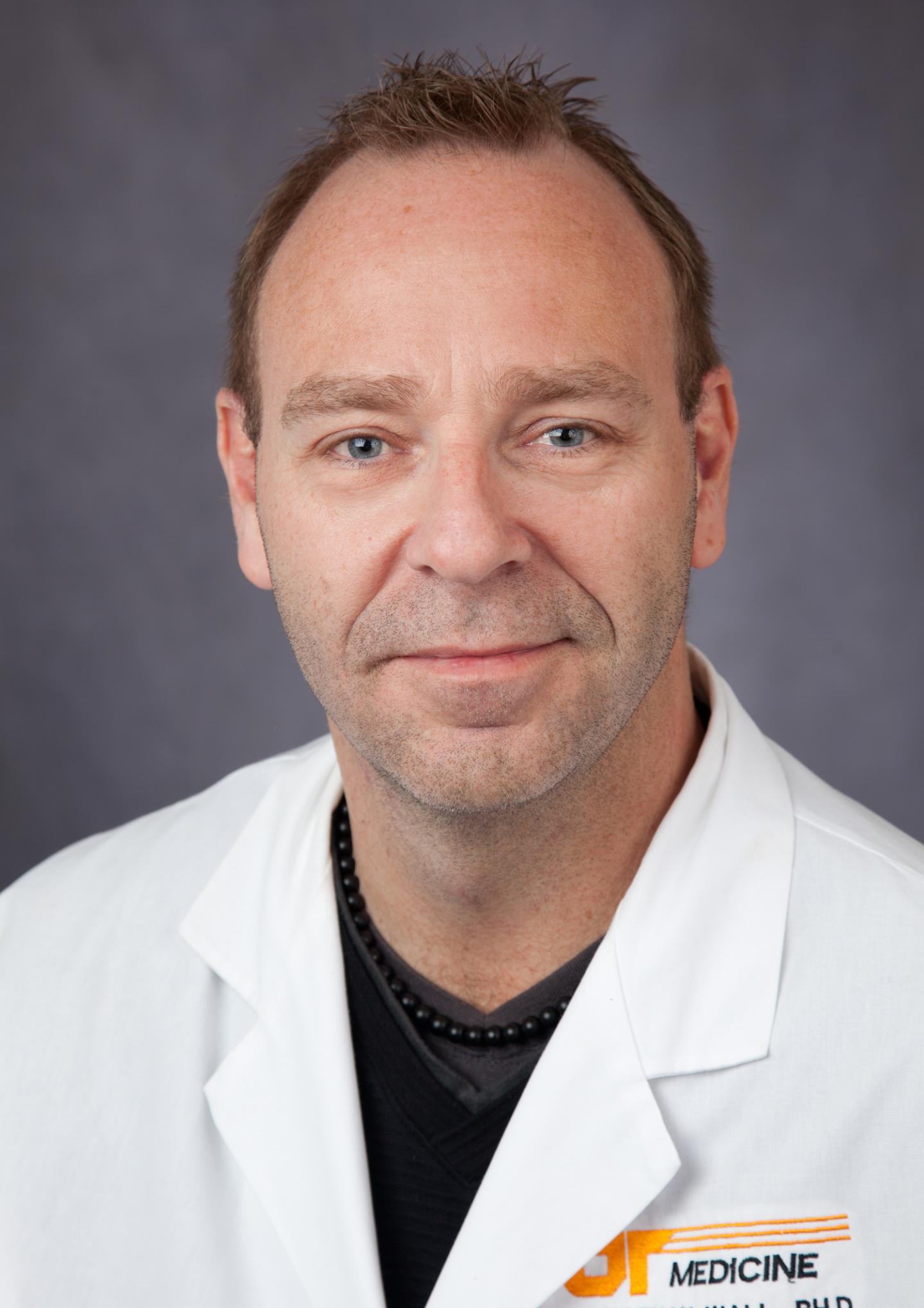
Memphis, Tenn. (October 6, 2020) – Jonathan Wall, PhD, professor in the University of Tennessee Health Science Center’s Graduate School of Medicine in Knoxville and director of the Amyloidosis and Cancer Theranostics, has been awarded a two-year grant totaling $385,000 from the National Institute on Aging, part of the National Institutes of Health to study new treatments for systemic amyloidosis.

“Our studies will focus on the development and characterization of engineered immune cells (macrophages) that are capable of enhanced destruction of amyloid due to the expression of a synthetic amyloid-reactive receptor,” Dr. Wall said. “This receptor will be constructed in the laboratory and introduced into the cells, which will then be tested for their ability to destroy amyloid deposits. Current therapies are directed toward decreasing the amount of precursor protein that is available for amyloid formation, thereby slowing the disease progression. However, our team has several programs that focus on developing ways to remove the toxic amyloid deposits from the affected organs.”

The project is titled, “Development of chimeric antigen receptor-expressing macrophages for enhanced phagocytosis of systemic amyloid.” Typically, systemic amyloidosis develops when amyloid fibrils, or combined antibody-related light chain proteins that deposit in organs, such as the heart, kidney, and peripheral nerves. This can occur in more than 30 different disorders and may cause severe organ failure. Because amyloid is resistant to natural clearance, treatment for the diseases generally involves blocking production of the proteins that cause amyloid. However, clearance of tissue amyloid has now become a major goal of many of the novel therapeutics being developed for these patients.

In other amyloid-related research, Dr. Wall also serves as the interim chief scientific officer for Attralus, Inc., a startup company launched through a license with the UT Research Foundation, which recently received $25 million to work on transformative medicines for systemic amyloidosis patients.

###

As Tennessee’s only public, statewide, academic health system, the mission of the University of Tennessee Health Science Center is to bring the benefits of the health sciences to the achievement and maintenance of human health through education, research, clinical care, and public service, with a focus on the citizens of Tennessee and the region. The main campus in Memphis includes six colleges: Dentistry, Graduate Health Sciences, Health Professions, Medicine, Nursing and Pharmacy. UTHSC also educates and trains medicine, pharmacy, and/or health professions students, as well as medical residents and fellows, at major sites in Knoxville, Chattanooga and Nashville. For more information, visit http://www.uthsc.edu. Find us on Facebook: facebook.com/uthsc, on Twitter: twitter.com/uthsc and on Instagram: instagram.com/uthsc.

Media Contact
Amber Carter
[email protected]

Tags: Medicine/Health
Share12Tweet8Share2ShareShareShare2

Related Posts

Tracking Lanthanide-Labeled Microplastics in Plants

June 25, 2026

Neural Design Enables Zero-Shot Drug-Binding Proteins

June 25, 2026

Genomic Insights into Human Skin Fungi Diversity

June 25, 2026

Chiral Laser Gyroscopes Surpass Lock-In Limit

June 25, 2026
Please login to join discussion

POPULAR NEWS

  • Saying Goodbye to PGY-6: Pediatric Fellowship Realities

    103 shares
    Share 41 Tweet 26
  • Multi-Hospital Study Reveals Long Covid Burden Is Twice as High as Current Estimates

    92 shares
    Share 36 Tweet 23
  • Detection of EDCs in Breast Milk and Infant Urine Up to Six Months Highlights Early Exposure Risks

    77 shares
    Share 31 Tweet 19
  • New Drug Candidate Developed at McMaster Shows Potential for Treating Brain Cancer

    58 shares
    Share 23 Tweet 15

About

We bring you the latest biotechnology news from best research centers and universities around the world. Check our website.

Follow us

Recent News

Tracking Lanthanide-Labeled Microplastics in Plants

POSTECH Researchers Slash Cost of Reconstituted Cell-Free Systems by 95%

AI and Physics Collaborate to Design Advanced Hydrogen Storage Materials

Subscribe to Blog via Email

Success! An email was just sent to confirm your subscription. Please find the email now and click 'Confirm' to start subscribing.

Join 82 other subscribers
  • Contact Us

Bioengineer.org © Copyright 2023 All Rights Reserved.

Welcome Back!

Login to your account below

Forgotten Password?

Retrieve your password

Please enter your username or email address to reset your password.

Log In
No Result
View All Result
  • Homepages
    • Home Page 1
    • Home Page 2
  • News
  • National
  • Business
  • Health
  • Lifestyle
  • Science

Bioengineer.org © Copyright 2023 All Rights Reserved.