• HOME
  • NEWS
  • EXPLORE
    • CAREER
      • Companies
      • Jobs
    • EVENTS
    • iGEM
      • News
      • Team
    • PHOTOS
    • VIDEO
    • WIKI
  • BLOG
  • COMMUNITY
    • FACEBOOK
    • INSTAGRAM
    • TWITTER
Sunday, May 17, 2026
BIOENGINEER.ORG
No Result
View All Result
  • Login
  • HOME
  • NEWS
  • EXPLORE
    • CAREER
      • Companies
      • Jobs
        • Lecturer
        • PhD Studentship
        • Postdoc
        • Research Assistant
    • EVENTS
    • iGEM
      • News
      • Team
    • PHOTOS
    • VIDEO
    • WIKI
  • BLOG
  • COMMUNITY
    • FACEBOOK
    • INSTAGRAM
    • TWITTER
  • HOME
  • NEWS
  • EXPLORE
    • CAREER
      • Companies
      • Jobs
        • Lecturer
        • PhD Studentship
        • Postdoc
        • Research Assistant
    • EVENTS
    • iGEM
      • News
      • Team
    • PHOTOS
    • VIDEO
    • WIKI
  • BLOG
  • COMMUNITY
    • FACEBOOK
    • INSTAGRAM
    • TWITTER
No Result
View All Result
Bioengineer.org
No Result
View All Result
Home NEWS Science News Health

USDA invests in research on environmental benefits of woody fruit, nut crops

Bioengineer by Bioengineer
March 27, 2018
in Health
Reading Time: 2 mins read
2
Share on FacebookShare on TwitterShare on LinkedinShare on RedditShare on Telegram
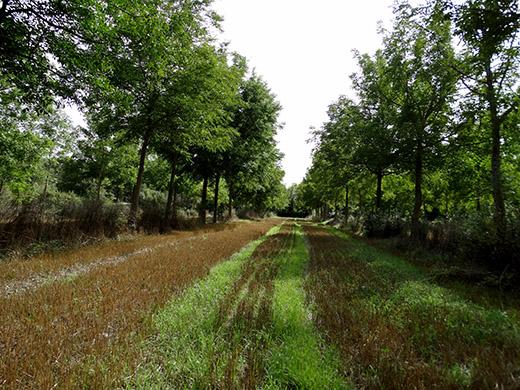
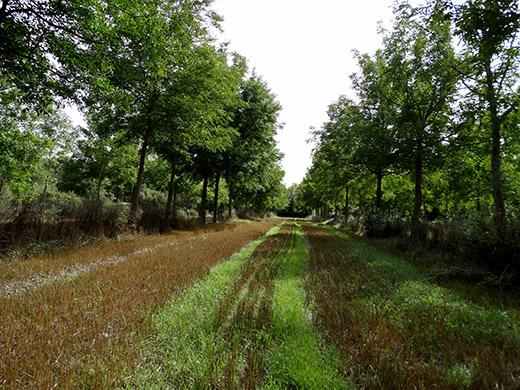
IMAGE

Credit: Sarah Taylor Lovell, University of Illinois

URBANA, Ill. – The USDA National Institute of Food and Agriculture has announced a grant for $460,000 to support research led by University of Illinois scientists Sarah Taylor Lovell, Andrew Margenot, and Alexandra Harmon-Threatt.

Lovell, an agroecologist in the Department of Crop Sciences at U of I, has been investigating the benefits of what she calls multifunctional woody polyculture for years. These are mixtures of woody perennial plants – trees and shrubs – that not only create habitat, regulate nutrient cycles, and hold soil and carbon, but also provide harvestable and profitable edible products.

"You're getting all these benefits, plus the added yield component," she says. "In this project, we're asking whether there's a downside ecologically to choosing this productive type of system instead of traditional species in a Conservation Reserve Program."

Lovell and her co-investigators don't think they'll see a downside, and they're hoping that hard evidence could convince some farmers to adopt the new practice and retain it after their CRP contracts are up. At that point – 10 to 15 years after planting – the trees and shrubs would be producing fruits and nuts, which the farmer could sell for profit.

The team plans to compare existing 2- to 3-year-old woody polyculture systems with CRP windbreak plantings of the same age, and with corn/soybean production systems. They will investigate insect diversity, pollination, and soil physical health in the different systems, and will also estimate fruit/nut yields and carbon sequestration in woody biomass.

"The focus is on soil physical health because a big benefit of CRP – compared to corn/soy – is in mitigating erosion and compaction. Perennial systems might improve soils in ways we don't typically think of," says Margenot, a soil scientist in the U of I crop sciences department. "For example, how well do they capture rainfall as a way to mitigate runoff and to bank groundwater?"

The project, which is funded for four years, will start this summer. Lovell thinks their results will provide practical information for farmers, CRP program administrators, and USDA Farm Service Agency representatives, but she's also hoping the research could inform policy.

"If we can prove there are no downsides to using woody polyculture species in place of the traditional recommended species, maybe this could be a policy change," she says. "You're getting the same conservation benefits. Is there any harm in harvesting fruit and nuts during the contract period, as long as the ecological services are there?"

###

Media Contact

Lauren Quinn
[email protected]
217-300-2435
@ACESIllinois

http://aces.illinois.edu/

Share12Tweet8Share2ShareShareShare2

Related Posts

Physical Resilience Linked to Aging Views in Chinese Elders

May 17, 2026

Tau T205 Phosphorylation Controls Memory and Engrams

May 17, 2026

Phocaeicola dorei Eases Liver Fibrosis via Efferocytosis

May 17, 2026

Boosting Aging Positivity and Activity in Older Couples

May 17, 2026
Please login to join discussion

POPULAR NEWS

  • Research Indicates Potential Connection Between Prenatal Medication Exposure and Elevated Autism Risk

    844 shares
    Share 338 Tweet 211
  • New Study Reveals Plants Can Detect the Sound of Rain

    730 shares
    Share 291 Tweet 182
  • Salmonella Haem Blocks Macrophages, Boosts Infection

    62 shares
    Share 25 Tweet 16
  • Breastmilk Balances E. coli and Beneficial Bacteria in Infant Gut Microbiomes

    58 shares
    Share 23 Tweet 15

About

We bring you the latest biotechnology news from best research centers and universities around the world. Check our website.

Follow us

Recent News

Noncanonical Sulfur Metabolism, Immunity Altered in Down Syndrome

Physical Resilience Linked to Aging Views in Chinese Elders

Tau T205 Phosphorylation Controls Memory and Engrams

Subscribe to Blog via Email

Enter your email address to subscribe to this blog and receive notifications of new posts by email.

Join 82 other subscribers
  • Contact Us

Bioengineer.org © Copyright 2023 All Rights Reserved.

Welcome Back!

Login to your account below

Forgotten Password?

Retrieve your password

Please enter your username or email address to reset your password.

Log In
No Result
View All Result
  • Homepages
    • Home Page 1
    • Home Page 2
  • News
  • National
  • Business
  • Health
  • Lifestyle
  • Science

Bioengineer.org © Copyright 2023 All Rights Reserved.