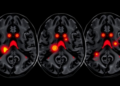
Delirium, a sudden disturbance in attention, awareness and thinking, remains one of the most dangerous complications faced by older adults in intensive care. It can appear within hours, fluctuate throughout the day and transform a familiar hospital environment into a landscape of confusion and fear. A new study by Ren, Zhong, Mo and colleagues, published in BMC Geriatrics, draws attention to a central question in critical-care medicine: whether monitoring and supporting the brain’s regulatory systems could help clinicians better understand, prevent or manage delirium in elderly patients.
The condition is far more than temporary disorientation. Delirium is associated with prolonged hospitalization, delayed rehabilitation, increased risk of falls and functional decline, and a greater likelihood of long-term cognitive problems. In intensive care units, the danger is amplified by severe infection, respiratory failure, surgery, pain, sleep disruption and exposure to sedative medications. Older brains are often less resilient to these stresses because of age-related changes in circulation, neurotransmitter signaling and the ability to maintain stable internal conditions.
The study’s focus on “cerebral regulation” points toward the brain’s capacity to preserve a balanced environment despite rapid changes in blood pressure, oxygen delivery, carbon dioxide levels and metabolic demand. One of the most important mechanisms involved is cerebral autoregulation, the process by which blood vessels in the brain adjust their diameter to help maintain relatively stable blood flow. When this system is impaired, fluctuations in systemic circulation may be transmitted directly to fragile neural tissue, potentially contributing to impaired attention and altered consciousness.
Cerebral regulation also includes the coordination of several interconnected systems. Neurovascular coupling allows active brain regions to receive additional blood flow when their energy requirements rise. The autonomic nervous system helps control heart rate, vascular tone and blood pressure, while the blood-brain barrier limits the movement of harmful substances from the circulation into neural tissue. In critical illness, inflammation, endothelial injury, hypoxia and metabolic disturbances can disrupt these safeguards. The resulting mismatch between neuronal demand and oxygen or glucose delivery may create conditions in which delirium becomes more likely.
For clinicians, this perspective could broaden the way delirium is assessed. Instead of viewing confusion only as a behavioral symptom, medical teams may increasingly consider it a visible sign of disturbed brain physiology. Continuous or repeated measurements of blood pressure, oxygenation, carbon dioxide, cerebral blood flow and electrical brain activity could help identify patients whose brains are struggling to adapt. Technologies such as electroencephalography, near-infrared spectroscopy and transcranial Doppler ultrasound are among the tools that can provide information about cerebral function and circulation, although their usefulness depends on clinical setting, expertise and interpretation.
The researchers’ emphasis is especially relevant for elderly patients, whose cerebral vessels and regulatory mechanisms may respond differently from those of younger adults. A blood-pressure level that appears acceptable on a standard monitor may not provide adequate perfusion for every patient. Conversely, aggressive efforts to raise pressure may also carry risks, including cardiac strain or excessive vascular stress. Personalized care therefore requires clinicians to interpret cerebral regulation alongside the patient’s medical history, baseline cognition, medications, organ function and neurological examination.
Preventing delirium still depends on a broad package of interventions. Patients benefit from regular orientation, access to hearing aids and glasses, sleep protection, early movement, appropriate pain control and careful review of medications that can worsen confusion. Avoiding unnecessary deep sedation and reducing prolonged immobilization are also important. These measures do not replace physiological monitoring, but they address the environmental and systemic pressures that can push a vulnerable brain beyond its capacity to compensate.
The study arrives as hospitals search for more precise ways to detect brain dysfunction before it becomes severe. Delirium can be missed because symptoms fluctuate, and quiet patients may be overlooked when clinicians are more accustomed to recognizing agitation. Structured bedside assessments remain essential, but future strategies could combine them with biological signals from the brain and circulation. Such an approach might allow medical teams to distinguish different pathways to delirium, identify high-risk periods and tailor treatment rather than relying on a single explanation for every episode of confusion.
The value of cerebral regulation, as highlighted by Ren and colleagues, ultimately lies in connecting intensive-care physiology with the patient’s lived neurological experience. The brain is not a passive observer of critical illness; it is an organ that must continuously balance blood flow, oxygen use, inflammation and electrical activity. When that balance fails, delirium may be one of the earliest outward warnings. Understanding the mechanisms behind that warning could help transform delirium care from a reactive effort into a more individualized form of brain protection for some of the hospital’s most vulnerable patients.
Subject of Research: Cerebral regulation and delirium in elderly critically ill patients
Article Title: Delirium in elderly critically ill patients: the value of cerebral regulation
Article References: Ren, X., Zhong, L., Mo, Y. et al. “Delirium in elderly critically ill patients: the value of cerebral regulation.” BMC Geriatrics (2026). https://doi.org/10.1186/s12877-026-08074-6
Image Credits: AI Generated
DOI: 10.1186/s12877-026-08074-6
Keywords: Delirium, elderly patients, critical care, cerebral regulation, cerebral autoregulation, intensive care, brain perfusion, neurocritical care, cognitive dysfunction
Tags: brain function management in ICUDelirium in critically ill older adultsimpact of age-related brain changes on deliriumimportance of sleep and pain management in elderly critical careinfluence of sedative medications on brain stabilitylong-term cognitive effects of ICU deliriummonitoring neurophysiological systems in elderly ICU patientsneuroprotective strategies for preventing deliriumprevention of delirium through cerebral regulationrole of blood pressure and oxygen stability in delirium preventionsignificance of early detection and support