In a newly published mini review in Frontiers in Genetics, researchers from Guilin Medical University and Zhengzhou University have outlined a translational framework that combines urinary multi-omics, microfluidic sample processing, and artificial intelligence to transform the clinical management of bladder cancer. Bladder cancer represents one of the most common malignancies of the urinary tract and is among the most recurrence-prone of all human cancers, which obligates patients to undergo frequent, long-term surveillance. At present, disease monitoring and detection remain heavily anchored to white-light cystoscopy and urinary cytology. However, cystoscopy is an invasive and costly procedure that is poorly suited for frequent repetition, while urinary cytology suffers from poor sensitivity, particularly when evaluating low-grade tumors. To address these longstanding diagnostic bottlenecks, investigators are evaluating whether non-invasive profiling of urine—a biofluid in continuous, direct physical contact with urothelial lesions—can accurately support detection, surveillance, and therapy-response monitoring along a unified digital management pathway.
Urine serves as an exceptionally favorable biological substrate because it carries an extensive cargo of shed molecular materials that directly reflect the evolving genetic and biological landscape of the underlying tumor. These materials include urinary tumor-derived DNA, defined as the tumor-derived fraction of urinary cell-free DNA, alongside specific genomic methylation marks, extracellular vesicles carrying functional proteins and non-coding RNAs, and exfoliated whole tumor cells. Unlike static tissue biopsies that require invasive surgical sampling and capture only localized cross-sections, repeated urinary sampling across routine clinical visits captures dynamic molecular alterations across time. The authors emphasize that urinary tumor-derived DNA mutations and methylation patterns currently constitute the most direct molecular readout obtainable without biopsy. Because bladder tumors shed molecular debris directly into the urinary tract, these non-invasive analytes offer the analytical foundation needed to monitor disease trajectories throughout initial detection, postoperative surveillance, and subsequent treatment selection.
Current diagnostic performance within the urinary liquid biopsy landscape is anchored by several clinically mature molecular assays evaluated in peer-reviewed studies. Specifically, the review highlights the utMeMA methylation assay, which demonstrated an operating performance of 90.0 percent sensitivity and 83.1 percent specificity. This statistical classifier was initially constructed in a retrospective development cohort comprising 313 patients and subsequently evaluated in a multicenter prospective cohort of 175 patients, outperforming conventional cytology and fluorescence in situ hybridization in identifying early-stage Ta and low-grade malignancies. In parallel, the Uromonitor test, which detects hotspot somatic mutations across the TERT, FGFR3, and KRAS genes, reached a sensitivity of 80.2 percent, a specificity of 96.9 percent, and a negative predictive value of 96.6 percent across a systematic review and meta-analysis compiling 1,190 patient tests for non-muscle-invasive bladder cancer detection and surveillance. Compact methylation models, including a three-marker panel analyzing IRF4, PENK, and PXDN, have likewise confirmed diagnostic concept validation in a single-center cohort of 155 patients.
The review contextualizes these emerging assays against four legacy urine tests that have already secured regulatory clearance from the United States Food and Drug Administration as clinical adjuncts to cystoscopy and cytology. These cleared platforms include the NMP22 protein assay, which exhibits a compiled sensitivity between 47 and 85 percent and specificity ranging between 60 and 90 percent, alongside the bladder tumor antigen test, the UroVysion fluorescence in situ hybridization probe set, and the ImmunoCyt immunocytology assay. Although these established tests demonstrate regulatory feasibility for urinary diagnostics, their clinical utility remains constrained by moderate sensitivity, absence of genomic depth, and particularly poor diagnostic yield when assessing low-grade lesions. Next-generation assays aim to bridge these analytical gaps by combining multi-analyte measurements into algorithmically governed panels; however, the authors caution that sensitivity inherently drops for small, low-grade, low-shedding, and heterogeneous tumors, and that without matched tissue or plasma sequencing, the definitive tumor origin of detected urinary variants cannot always be entirely resolved.
Extracellular vesicles derived from tumor tissue constitute another rich diagnostic layer, encapsulating protected proteins, messenger RNAs, and non-coding transcripts that mirror the operational state of parental tumor cells. Systematic mapping in genitourinary malignancies shows that urinary extracellular vesicle microRNA panels, notably those interrogating miR-21-5p and miR-155-5p, have demonstrated an area under the receiver operating characteristic curve of 0.90 alongside 87 percent sensitivity for diagnostic and surveillance applications. Despite these promising numbers, the primary barrier hindering extracellular vesicle translation is analytical reproducibility rather than biomarker discovery. Diverse isolation techniques differ substantially in yield, purity, and downstream chemical compatibility, frequently co-enriching non-vesicular contaminants that distort molecular profiles. These technical discrepancies produce non-interchangeable biomarker readings across laboratories, introducing batch effects that propagate systematic errors into cross-cohort artificial intelligence models and pooled clinical estimates.
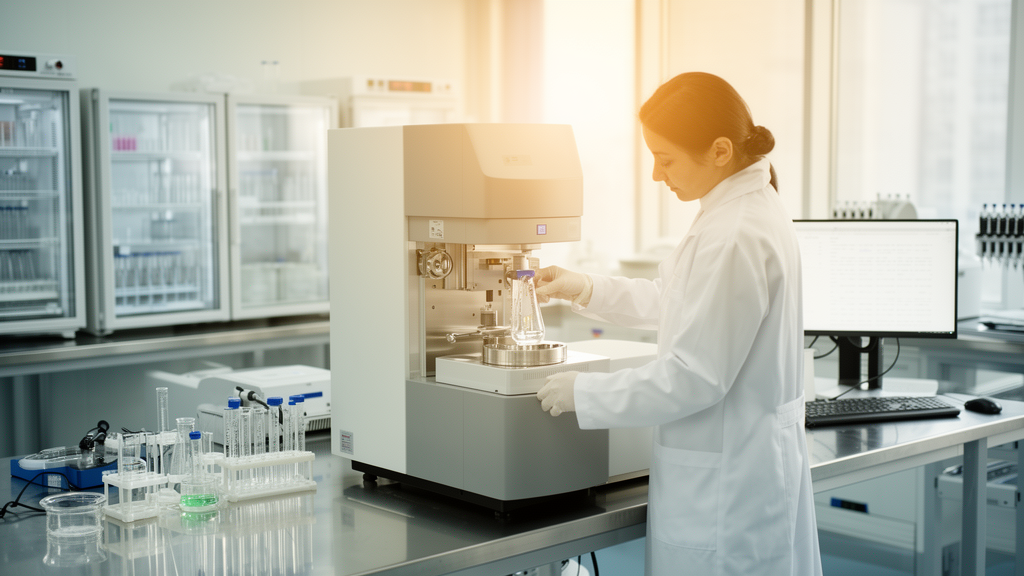
To overcome pre-analytical variability and operational bottlenecks, the proposed framework integrates microfluidic urine-on-chip platforms that standardize raw specimen processing into reproducible, analysis-ready multi-omic data. Urinary biomarkers are naturally dilute, biologically heterogeneous, and exceptionally sensitive to operator handling, timing of collection, midstream versus first-void sampling, delay prior to centrifugation, and normalization against creatinine or total protein. Automated microfluidic devices address these vulnerabilities by executing label-free cellular enrichment, extracellular vesicle isolation, nucleic acid purification, and multiplexed sensing within closed fluidic circuits. In proof-of-concept investigations, label-free microfluidic sorting paired with machine-learning image analysis successfully identified exfoliated malignant cells without requiring antibody tags, while a microfluidic cytomics-on-a-chip platform utilizing machine-learning morphometry detected high-grade urothelial carcinoma in urine sediment with approximately 81 percent sensitivity. Furthermore, electrical biosensing chips distinguished malignant from benign urothelial cells with 92.9 percent sensitivity, urinary aptamer panels developed through artificial intelligence-guided SELEX demonstrated sensitivities up to 95 percent and specificities reaching 88 percent in prostate models, and three-dimensional bladder-cancer-on-chip cultures predicted drug resistance with 90.5 percent sensitivity.
Within the computational layer, advanced machine learning and deep learning architectures translate high-dimensional data streams into actionable diagnostic and prognostic classifications. In automated urinary cytology, a deep learning platform evaluated 535 digitized whole-slide images and achieved an 83 percent specificity for histologically confirmed high-grade urothelial carcinoma, with an external validation cohort of 660 cases across multiple centers subsequently reported at the conference abstract level demonstrating performance comparable to expert human cytologists. Similarly, a multi-layer convolutional neural network analyzing 2,405 whole-slide urine cytology images produced an area under the curve of 0.88, with a sensitivity of 79.5 percent and a specificity of 84.5 percent for high-grade disease detection. To improve data handling across tabular biomarker datasets and complex spatial networks, researchers have implemented graph attention networks and systematically benchmarked 101 machine-learning pipeline combinations, which demonstrated that rigorous pipeline engineering rather than algorithmic novelty primarily dictates model reproducibility.
Beyond diagnostic classification, multimodal machine learning architectures are being explored to predict therapeutic outcomes and guide personalized treatment selection. By integrating tumor-immune infiltration profiles with bulk and single-cell transcriptomics, composite scoring systems have been developed to forecast clinical trajectories. For example, APOBEC-mediated mutagenesis patterns in tissue cohorts have emerged as favorable indicators of both overall prognosis and response to immune checkpoint inhibition. In the neoadjuvant setting, an ADGRE5-centered T-cell survival model identified therapeutic responders in a pilot study, while divergent macrophage-regulated T-cell phenotypic states distinguished responders to intravesical Bacillus Calmette-Guérin immunotherapy, which is administered weekly over a six-week induction course. The review emphasizes, however, that because the vast majority of current therapeutic predictors are derived from retrospective outcome correlations, their clinical utility remains hypothesis-generating until validated through rigorous trials specifically assessing biomarker-by-treatment interactions.
The review also explicitly distinguishes between urine-validated diagnostic tools and tissue-derived multi-omic signatures that currently serve only as an upstream discovery engine. A substantial proportion of molecular discoveries—including spatial transcriptomic maps, graph neural network prognostic modules, programmed-cell-death panels evaluated in 256 patients, TRIM59-associated ferroptosis resistance signatures in 412 patients, epithelial plasticity scores in 368 patients, liquid-liquid phase separation models in 1,351 patients, MYH11 signatures in 406 patients, disulfidptosis subtyping in 414 patients, and lysyl-oxidase pathway profiles mined from approximately 9,000 public records—remain strictly tissue-derived. None of these candidate panels have undergone prospective validation in patient urine samples. They represent a candidate nomination catalog for future assay translation rather than ready-to-deploy clinical tests, highlighting the necessity of establishing clear boundaries between tissue discovery and urinary implementation.
Ultimately, the authors conclude that three critical translational hurdles must be overcome before integrated urinary multi-omic artificial intelligence systems can enter routine urological practice. First, extensive standardization across pre-analytical protocols, reference standards, and multi-laboratory ring trials is essential to ensure that models perform reliably across diverse clinical environments without inheriting site-specific training biases. Second, computational architectures must adhere strictly to international reporting guidelines, such as STARD-AI and TRIPOD plus AI, incorporating decision-curve analysis, calibration metrics, and prospective multicenter validation to determine whether non-invasive urine testing can safely reduce the frequency of invasive cystoscopies without compromising cancer detection. Third, point-of-care microfluidic platforms must prove health-economic cost-effectiveness within established care pathways. Until linked modular microfluidic cartridges and prospective decision-centric trials are realized, fully integrated urine-on-chip artificial intelligence remains an active research endeavor rather than an established clinical technology.
Subject of Research: Urinary multi-omics, microfluidics, and artificial intelligence in bladder cancer management
Article Title: Urinary multi-omics meets artificial intelligence in bladder cancer: from liquid biopsy to clinical decision-making
Article References: Liu, T., Xu, H., Wang, X., Wu, L., Tang, J., Wu, Z., & Xiao, S. (2026). Urinary multi-omics meets artificial intelligence in bladder cancer: from liquid biopsy to clinical decision-making. Frontiers in Genetics, 17, Article 2022740. https://doi.org/10.3389/fgene.2026.2022740
Image Credits: AI Generated
DOI: 10.3389/fgene.2026.2022740
Keywords: artificial intelligence, bladder cancer, liquid biopsy, microfluidics, urinary multi-omics, utDNA, DNA methylation, extracellular vesicles, cystoscopy, urine cytology, Uromonitor, utMeMA, machine learning, deep learning, precision oncology, point-of-care diagnostics, urothelial carcinoma
News Source: Nathaniel Bowman. (November 20, 2026). Urinary Multi-Omics and Artificial Intelligence Framework Proposed for Bladder Cancer Management. Scienmag.