• HOME
  • NEWS
  • EXPLORE
    • CAREER
      • Companies
      • Jobs
    • EVENTS
    • iGEM
      • News
      • Team
    • PHOTOS
    • VIDEO
    • WIKI
  • BLOG
  • COMMUNITY
    • FACEBOOK
    • INSTAGRAM
    • TWITTER
Wednesday, May 13, 2026
BIOENGINEER.ORG
No Result
View All Result
  • Login
  • HOME
  • NEWS
  • EXPLORE
    • CAREER
      • Companies
      • Jobs
        • Lecturer
        • PhD Studentship
        • Postdoc
        • Research Assistant
    • EVENTS
    • iGEM
      • News
      • Team
    • PHOTOS
    • VIDEO
    • WIKI
  • BLOG
  • COMMUNITY
    • FACEBOOK
    • INSTAGRAM
    • TWITTER
  • HOME
  • NEWS
  • EXPLORE
    • CAREER
      • Companies
      • Jobs
        • Lecturer
        • PhD Studentship
        • Postdoc
        • Research Assistant
    • EVENTS
    • iGEM
      • News
      • Team
    • PHOTOS
    • VIDEO
    • WIKI
  • BLOG
  • COMMUNITY
    • FACEBOOK
    • INSTAGRAM
    • TWITTER
No Result
View All Result
Bioengineer.org
No Result
View All Result
Home NEWS Science News Biology

Updated and easy-to-use compendium helps users diagnose and treat pea diseases and pests

Bioengineer by Bioengineer
September 22, 2020
in Biology
Reading Time: 2 mins read
0
IMAGE
Share on FacebookShare on TwitterShare on LinkedinShare on RedditShare on Telegram

IMAGE

Credit: APS PRESS

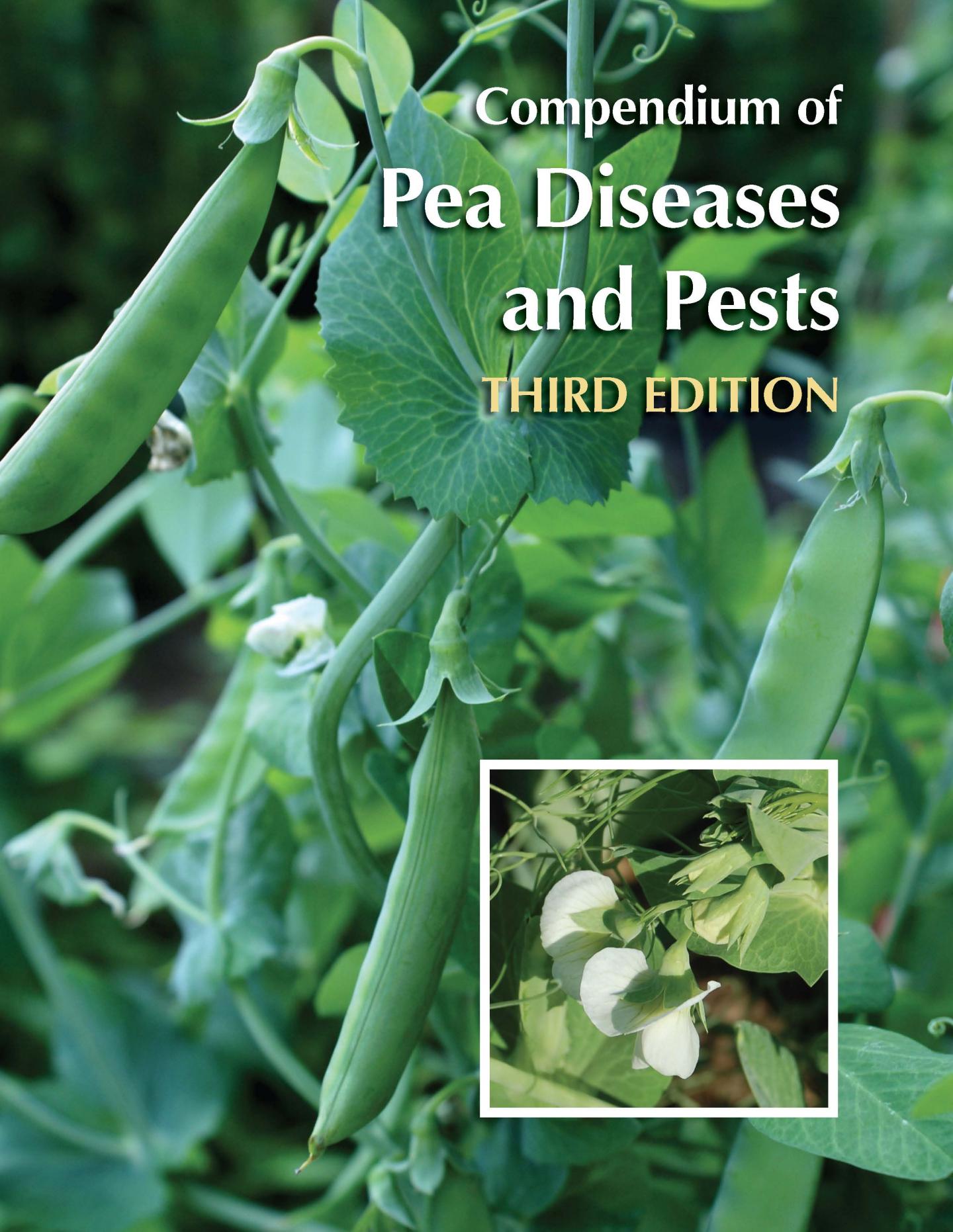
Since publication of the second edition of Compendium of Pea Diseases and Pests by APS PRESS almost two decades ago, pea production acreage has increased tremendously in response to rising consumer demands for healthy foods and sustainable production systems. APS PRESS has responded to these changes with a timely revision that documents, collates, and presents pea production problems in a single, comprehensive volume.

Divided into three parts–Infectious Diseases, Insect Pests and Their Natural Enemies, and Noninfectious Disorders–this third edition offers updated disease and pest descriptions and identification information, along with pathogen and insect life cycles. It also includes sections on nutrient disorders and abiotic and vertebrate damage, as well as a new introduction with brief histories of pea usage and production and discussion of the botany of the pea plant. Coverage is provided of all types of peas, including those that utilize both pods and seeds.

This new edition includes 205 high-quality images–more than 90% of them new. The editors placed special emphasis on providing more images of plant injury symptoms caused by herbicides and nutritional deficiencies, along with pathogens and insects. A comprehensive glossary; an appendix with a list of the common names of diseases, disorders, and insect pests; and an index provide useful tools for readers.

With contributions from almost 50 scientists affiliated with organizations from seven countries, this compendium will serve as the preeminent guide about pea diseases, disorders, and pests worldwide. It will provide a comprehensive and reliable reference for field workers, diagnosticians, Extension specialists, agronomists, horticulturalists, entomologists, home gardeners, and other agriculture and horticulture professionals and enthusiasts, along with plant pathologists concerned with the production of pea.

Compendium of Pea Diseases and Pests, Third Edition, is available now through the APS PRESS bookstore and expected to ship in November. The Compendium of Plant Diseases and Pests series includes more than 40 crop-specific books that provide high-resolution images and comprehensive yet easy-to-follow management recommendations to help users diagnose and treat diseases, disorders, and pests in the field, greenhouse, orchard, and lab. See the complete series.

###

Media Contact
Ashley Bergman Carlin
[email protected]

Tags: Agricultural Production/EconomicsAgricultureFertilizers/Pest ManagementFood/Food ScienceGeology/SoilPlant Sciences
Share12Tweet8Share2ShareShareShare2

Related Posts

Cutting-Edge Genomic Techniques Reveal Unexpected Cellular Changes in the Aging Brain — Biology

Cutting-Edge Genomic Techniques Reveal Unexpected Cellular Changes in the Aging Brain

May 12, 2026
USC Researchers Initiate Study on the Most Advanced Lab-Grown Kidney Structures — Biology

USC Researchers Initiate Study on the Most Advanced Lab-Grown Kidney Structures

May 12, 2026

Childbirth in Humans Is Not Uniquely Challenging Among Mammals, New Research Shows

May 12, 2026

From Complexity to Clarity: Unraveling the “Topological Laws” Governing Cell Death

May 11, 2026
Please login to join discussion

POPULAR NEWS

  • Research Indicates Potential Connection Between Prenatal Medication Exposure and Elevated Autism Risk

    842 shares
    Share 337 Tweet 211
  • New Study Reveals Plants Can Detect the Sound of Rain

    728 shares
    Share 290 Tweet 182
  • Salmonella Haem Blocks Macrophages, Boosts Infection

    62 shares
    Share 25 Tweet 16
  • Breastmilk Balances E. coli and Beneficial Bacteria in Infant Gut Microbiomes

    57 shares
    Share 23 Tweet 14

About

BIOENGINEER.ORG

We bring you the latest biotechnology news from best research centers and universities around the world. Check our website.

Follow us

Recent News

Postmenopausal Women Face Increased Mortality Risk from Osteoporosis, New Research Shows

AI Predicts Hospital Admissions from Emergency Departments

Robust Magnetoelectric Backscatter System Boosts Bioelectronic Implants

Subscribe to Blog via Email

Enter your email address to subscribe to this blog and receive notifications of new posts by email.

Join 82 other subscribers
  • Contact Us

Bioengineer.org © Copyright 2023 All Rights Reserved.

Welcome Back!

Login to your account below

Forgotten Password?

Retrieve your password

Please enter your username or email address to reset your password.

Log In
No Result
View All Result
  • Homepages
    • Home Page 1
    • Home Page 2
  • News
  • National
  • Business
  • Health
  • Lifestyle
  • Science

Bioengineer.org © Copyright 2023 All Rights Reserved.