

• HOME
  • NEWS
  • EXPLORE
    • CAREER
      • Companies
      • Jobs
    • EVENTS
    • iGEM
      • News
      • Team
    • PHOTOS
    • VIDEO
    • WIKI
  • BLOG
  • COMMUNITY
    • FACEBOOK
    • INSTAGRAM
    • TWITTER
Tuesday, June 2, 2026
BIOENGINEER.ORG
No Result
View All Result
  • Login
  • HOME
  • NEWS
  • EXPLORE
    • CAREER
      • Companies
      • Jobs
        • Lecturer
        • PhD Studentship
        • Postdoc
        • Research Assistant
    • EVENTS
    • iGEM
      • News
      • Team
    • PHOTOS
    • VIDEO
    • WIKI
  • BLOG
  • COMMUNITY
    • FACEBOOK
    • INSTAGRAM
    • TWITTER
  • HOME
  • NEWS
  • EXPLORE
    • CAREER
      • Companies
      • Jobs
        • Lecturer
        • PhD Studentship
        • Postdoc
        • Research Assistant
    • EVENTS
    • iGEM
      • News
      • Team
    • PHOTOS
    • VIDEO
    • WIKI
  • BLOG
  • COMMUNITY
    • FACEBOOK
    • INSTAGRAM
    • TWITTER
No Result
View All Result
Bioengineer.org
No Result
View All Result
Home NEWS Science News Biology

Unravelling the genetics of fungal fratricide

Bioengineer by Bioengineer
October 15, 2018
in Biology
Reading Time: 2 mins read
0
Share on FacebookShare on TwitterShare on LinkedinShare on RedditShare on Telegram
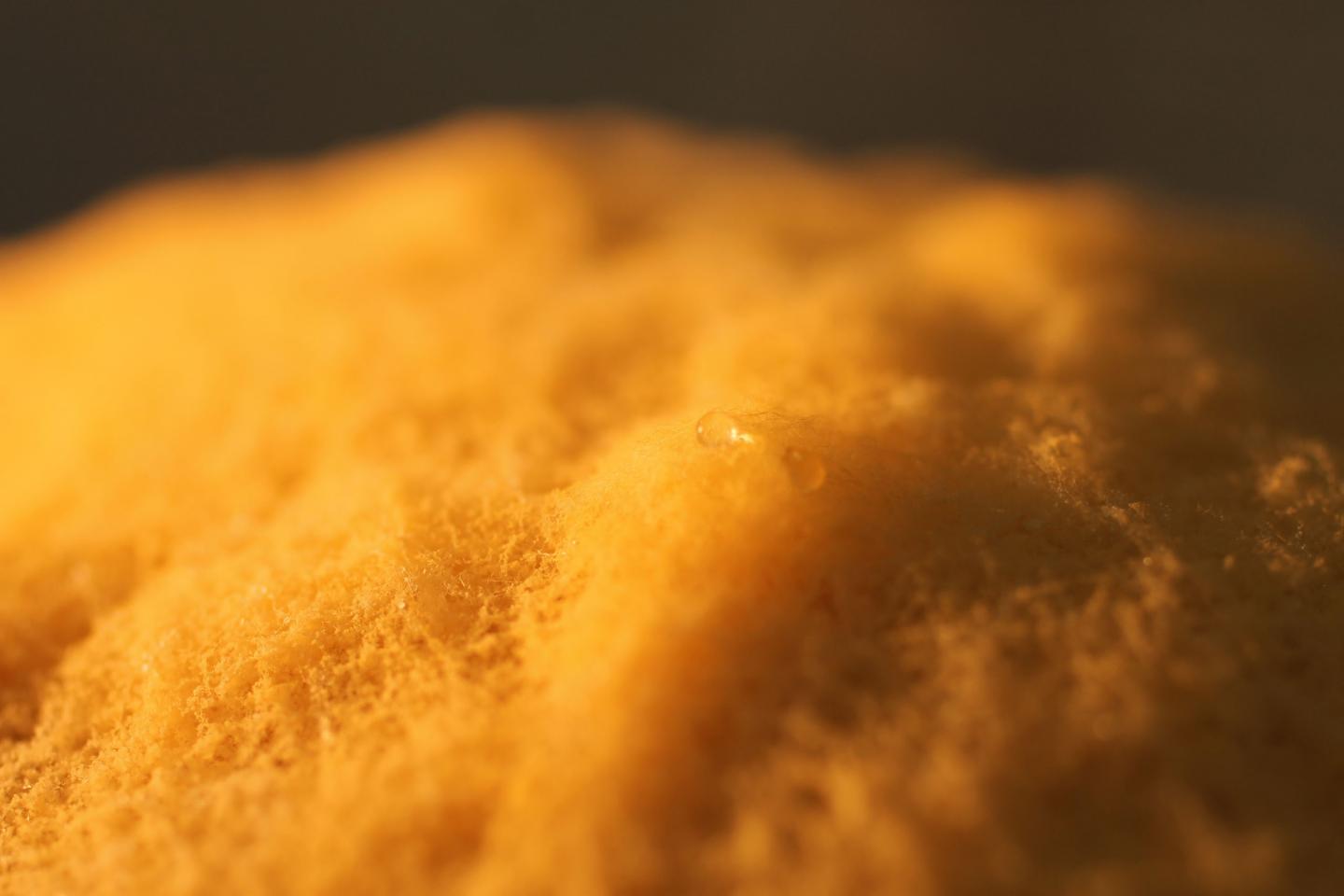
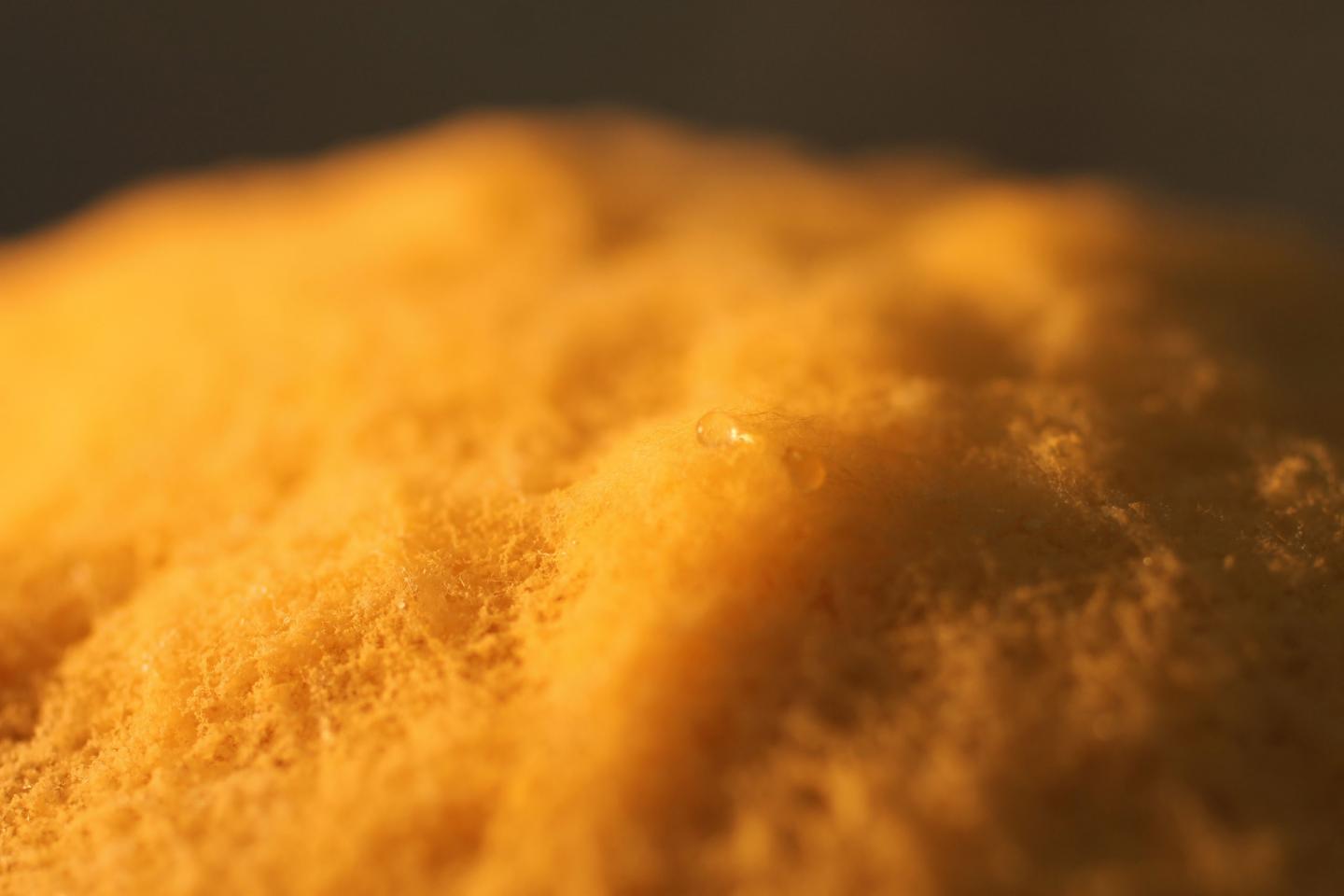
IMAGE

Credit: Raquel Pereira

Selfish genes are genes that are passed on to the next generation but confer no advantage on the individual as a whole, and may sometimes be harmful. Researchers at Uppsala University have, for the first time, sequenced (or charted) two selfish genes in the fungus Neurospora intermedia that cause fungal spores to kill their siblings. Unexpectedly, the genes were not related to each other, perhaps indicating that selfish genes are more common than previously thought.

One mainstay of evolutionary theory is survival of the fittest individuals, whose genes can thereby be passed on. However, one type of gene – 'selfish' genes – can be passed on without benefiting the individual. Biologists believe that selfish genes may be important drivers of evolution, and it is therefore essential to understand how selfish genes function in order to understand more general evolutionary patterns.

One example of a selfish gene, known as the 'spore killer', has been found in certain fungi. If a fungal spore carries this gene, the spore kills all related ('sibling') spores that lack the gene. The spore-killing gene will thus be passed on, despite being detrimental to the fungus as a whole. Similar genes for killing siblings have been found in other organisms, such as fruit flies and mice, but in those species it is a matter of sperm that destroy sibling sperm. Selfish genes may also serve as pesticides: inserting selfish genes into malaria-bearing mosquitoes can cause individuals of one sex only to be born, thereby reducing their population size. However, knowledge of how selfish genes function genetically, and of how they spread in nature, is still limited.

For the first time, a research group at Uppsala University's Department of Systematic Biology has succeeded in sequencing complete genomes that contain complex selfish genes. The researchers sequenced genomes from two different types of spore killer found in the ascomycete fungus Neurospora intermedia. The results have now been published in Nature Communications.

"Sequencing selfish genes of this type is difficult, since they are often located on parts of the chromosome that have accumulated a huge amount of mutations, and where pieces of the chromosome have been rearranged," says Hanna Johannesson, who headed the study.

Sequencing of the genome showed that the spore-killing genes exist in chromosome regions where much of the chromosome has changed direction: forming so called 'inversions'. These chromosome regions have also collected numerous new mutations and regions where repetitive DNA has expanded. The mutations may mean that individuals with spore-killing genes are more poorly adapted, and they may be an explanation of why these spore-killing genes are unusual in Neurospora intermedia.

"One result that surprised us was that the two spore killers were not related to each other, and use different genes to kill sibling spores. This may suggest that selfish genes in general, and spore-killing genes in particular, are more common than people used to think," says Jesper Svedberg, the main author of the study.

###

Media Contact

Jesper Svedberg
[email protected]
46-706-990-945
@UU_University

http://www.uu.se

Original Source

http://www.uu.se/en/news-media/press-releases/press-release/?id=4480&area=3,8&typ=pm&lang=en http://dx.doi.org/10.1038/s41467-018-06562-x


Share12Tweet8Share2ShareShareShare2

Related Posts

How Screens Are Reshaping Childhood: New Research Reveals the Developing Brain Integrates Experience Until Age 25, Impacting Mental Health Deeply — Biology

How Screens Are Reshaping Childhood: New Research Reveals the Developing Brain Integrates Experience Until Age 25, Impacting Mental Health Deeply

June 2, 2026
Why Most Biology Education Guidelines Overlook Society — UW Researchers Highlight the Consequences — Biology

Why Most Biology Education Guidelines Overlook Society — UW Researchers Highlight the Consequences

June 2, 2026

Mount Sinai Scientists Identify Significant Genetic Factors in Postpartum Psychosis, Shedding Light on Severe Maternal Mental Illness

June 2, 2026

Jumping Genes Surprise Scientists on the Y Chromosome

June 1, 2026
Please login to join discussion

POPULAR NEWS

  • ESMO 2025: mRNA COVID Vaccines Enhance Efficacy of Cancer Immunotherapy

    320 shares
    Share 128 Tweet 80
  • Multi-Hospital Study Reveals Long Covid Burden Is Twice as High as Current Estimates

    86 shares
    Share 34 Tweet 21
  • Saying Goodbye to PGY-6: Pediatric Fellowship Realities

    63 shares
    Share 25 Tweet 16
  • Common Food Preservatives Associated with Elevated Blood Pressure and Increased Heart Disease Risk

    57 shares
    Share 23 Tweet 14

About

We bring you the latest biotechnology news from best research centers and universities around the world. Check our website.

Follow us

Recent News

Student-Athletes’ Struggle: Inside Their Sleep Challenges

Experimental Molecule “Reprograms” Brain’s Defenses to Combat Alzheimer’s Disease

How Screens Are Reshaping Childhood: New Research Reveals the Developing Brain Integrates Experience Until Age 25, Impacting Mental Health Deeply

Subscribe to Blog via Email

Enter your email address to subscribe to this blog and receive notifications of new posts by email.

Join 82 other subscribers
  • Contact Us

Bioengineer.org © Copyright 2023 All Rights Reserved.

Welcome Back!

Login to your account below

Forgotten Password?

Retrieve your password

Please enter your username or email address to reset your password.

Log In
No Result
View All Result
  • Homepages
    • Home Page 1
    • Home Page 2
  • News
  • National
  • Business
  • Health
  • Lifestyle
  • Science

Bioengineer.org © Copyright 2023 All Rights Reserved.
