• HOME
  • NEWS
  • EXPLORE
    • CAREER
      • Companies
      • Jobs
    • EVENTS
    • iGEM
      • News
      • Team
    • PHOTOS
    • VIDEO
    • WIKI
  • BLOG
  • COMMUNITY
    • FACEBOOK
    • INSTAGRAM
    • TWITTER
Friday, May 15, 2026
BIOENGINEER.ORG
No Result
View All Result
  • Login
  • HOME
  • NEWS
  • EXPLORE
    • CAREER
      • Companies
      • Jobs
        • Lecturer
        • PhD Studentship
        • Postdoc
        • Research Assistant
    • EVENTS
    • iGEM
      • News
      • Team
    • PHOTOS
    • VIDEO
    • WIKI
  • BLOG
  • COMMUNITY
    • FACEBOOK
    • INSTAGRAM
    • TWITTER
  • HOME
  • NEWS
  • EXPLORE
    • CAREER
      • Companies
      • Jobs
        • Lecturer
        • PhD Studentship
        • Postdoc
        • Research Assistant
    • EVENTS
    • iGEM
      • News
      • Team
    • PHOTOS
    • VIDEO
    • WIKI
  • BLOG
  • COMMUNITY
    • FACEBOOK
    • INSTAGRAM
    • TWITTER
No Result
View All Result
Bioengineer.org
No Result
View All Result
Home BIOENGINEERING

University of Seville researchers reveal the role of a DNA repair mechanism

Bioengineer by Bioengineer
February 9, 2018
in BIOENGINEERING
Reading Time: 2 mins read
0
Share on FacebookShare on TwitterShare on LinkedinShare on RedditShare on Telegram
IMAGE

Credit: University of Seville

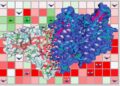
Researchers from the University of Seville, in collaboration with the Genome Damage and Stability Centre of the University of Sussex in the United Kingdom, have recently published a study in the review Nature Communications, in which they make an important step forward in understanding more exactly what the mechanisms are that allow, if not correctly repaired, certain DNA breaks to be exchanged with others, so generating chromosomal translocation.

Many types of DNA breaks are frequently produced in cells. Their correct repair is essential for the prevention of genome destabilisation, which can cause the development of diseases like cancer. In this project, a very specific type of chromosomal break was studied, which is produced during the expression of certain genes.

"They are breaks generated by enzymes called DNA topoisomerases. Perhaps the most relevant is produced during the expression of some genes, those which then translocate", explains the study's main author, the University of Seville researcher Dr Fernando Gómez Herreros.

In this project, the experts describe how the specific repair mechanism of these breaks prevents the formation of some aberrant chromosomal structures called translocations. Translocations consist of complete chromosomal fragments that move from one part of the genome to another. "These are the origin of solid tumours and leukaemia, like secondary acute myeloid leukaemia, therefore we suggest that the mechanism described in this project can be involved in preventing the formation of some types of cancer", adds Gómez Herreros.

###

Media Contact

Fernando Gómez Herreros
[email protected]
@unisevilla

http://www.us.es

Related Journal Article

http://dx.doi.org/10.1038/s41467-017-00307-y
Share12Tweet8Share2ShareShareShare2

Related Posts

IMAGE

Ferrets, cats and civets most susceptible to coronavirus infection after humans

December 10, 2020
IMAGE

Deep Longevity publishes an epigenetic aging clock of unprecedented accuracy

December 8, 2020

How poor oral hygiene may result in metabolic syndrome

December 8, 2020

New findings shed light on the repair of UV-induced DNA damage

December 8, 2020
Please login to join discussion

POPULAR NEWS

  • Research Indicates Potential Connection Between Prenatal Medication Exposure and Elevated Autism Risk

    843 shares
    Share 337 Tweet 211
  • New Study Reveals Plants Can Detect the Sound of Rain

    729 shares
    Share 291 Tweet 182
  • Salmonella Haem Blocks Macrophages, Boosts Infection

    62 shares
    Share 25 Tweet 16
  • Breastmilk Balances E. coli and Beneficial Bacteria in Infant Gut Microbiomes

    58 shares
    Share 23 Tweet 15

About

We bring you the latest biotechnology news from best research centers and universities around the world. Check our website.

Follow us

Recent News

A*STAR Scientists Unveil Novel Technique to Decipher RNA Structure’s Impact on Health and Disease

Smart Hydrogels Revolutionize Information Security with Photo-Patterning and Multi-Stimuli Responsive Structural Colors

Unveiling the Unseen: POSTECH Team Creates AI Framework to Detect Hidden Defects in Metal 3D Printing

Subscribe to Blog via Email

Enter your email address to subscribe to this blog and receive notifications of new posts by email.

Join 82 other subscribers
  • Contact Us

Bioengineer.org © Copyright 2023 All Rights Reserved.

Welcome Back!

Login to your account below

Forgotten Password?

Retrieve your password

Please enter your username or email address to reset your password.

Log In
No Result
View All Result
  • Homepages
    • Home Page 1
    • Home Page 2
  • News
  • National
  • Business
  • Health
  • Lifestyle
  • Science

Bioengineer.org © Copyright 2023 All Rights Reserved.