Credit: UMass Amherst
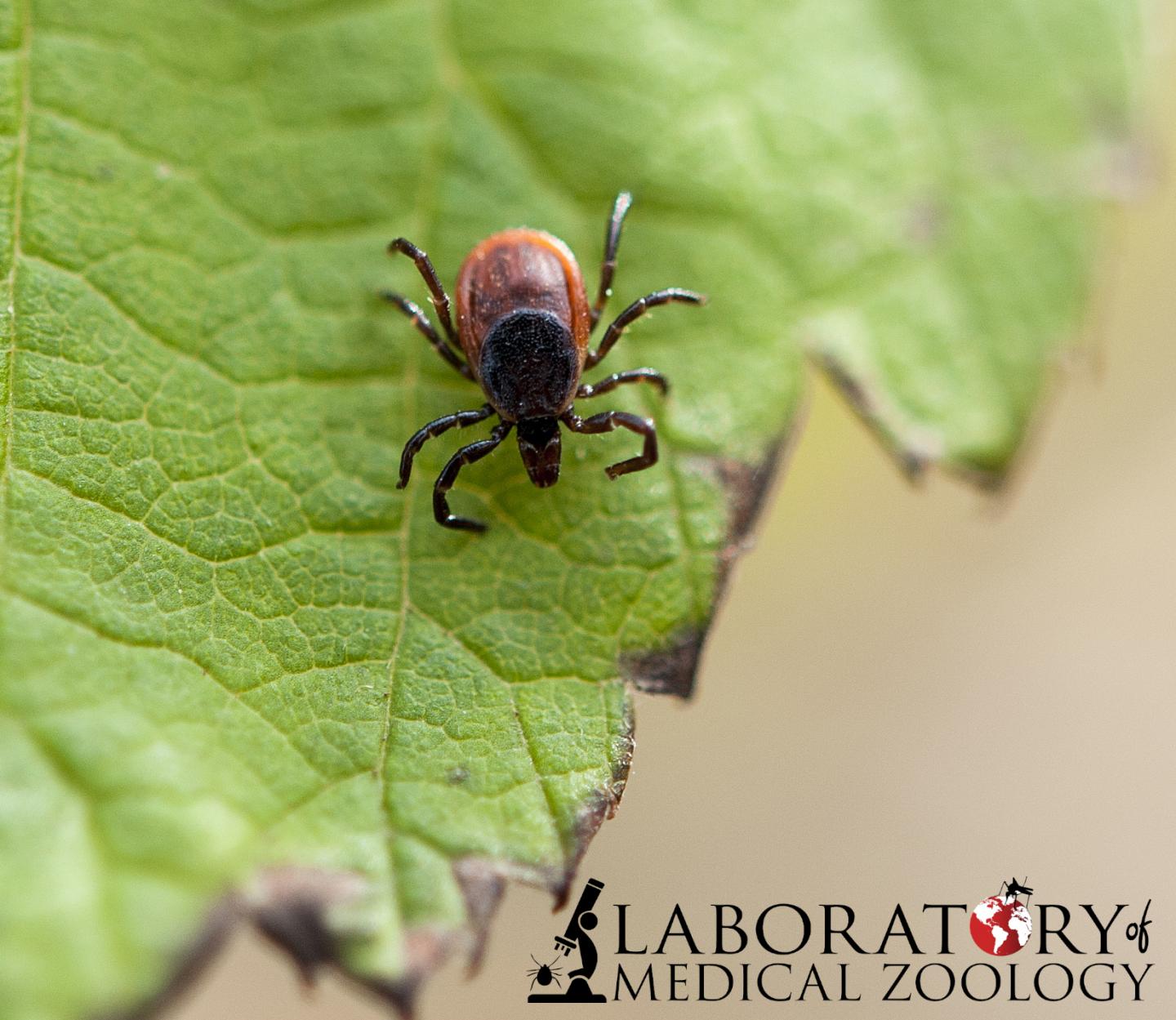
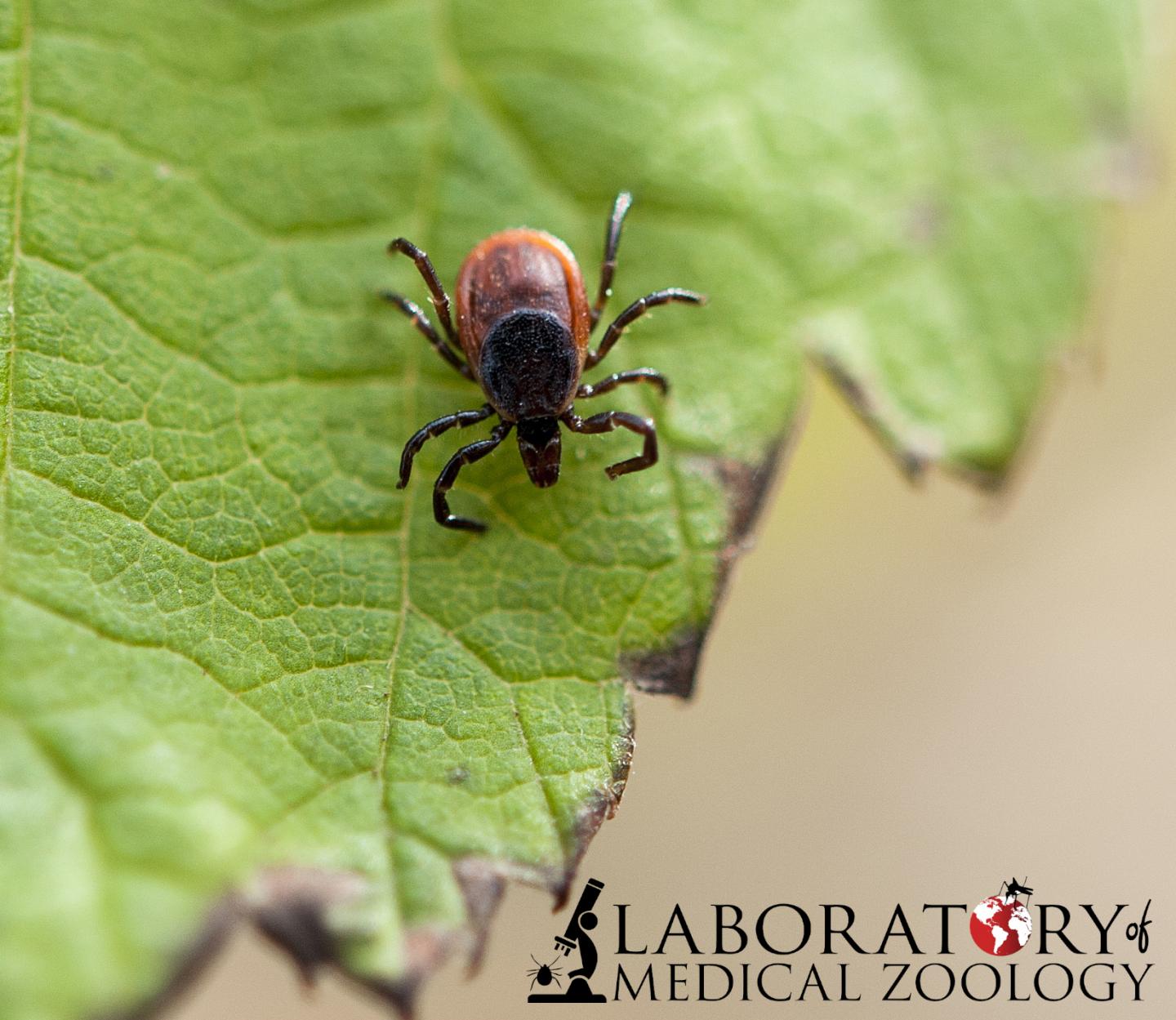
AMHERST, Mass. – The Laboratory of Medical Zoology (LMZ) at the University of Massachusetts Amherst, a national tick testing lab, recently was chosen by Battelle, the world's largest independent, non-profit research and development organization, to conduct pathogen tests on thousands of ticks collected from 47 sites across the country as part of National Science Foundation's 30-year National Ecological Observatory Network (NEON) project.
The LMZ earned a two-year, renewable contract for up to $112,000 per year to test several thousand ticks for six bacterial and one protozoan pathogen using DNA-based assays. UMass Amherst microbiology professor and LMZ director Stephen Rich says these tests will detect the pathogens that cause Lyme disease, Anaplasmosis and Babesiosis, among others.
Battelle researchers working on the NSF's observatory project are geographically distributed across the United States, including in Alaska, Hawaii and Puerto Rico, and are collecting standardized, calibrated, long-term data and making it available to the scientific community through a single open-access data portal. With the addition of pathogen test results, the NEON database is a powerful new tool for tick-borne disease surveillance and research, Rich says. Full operation of the observatory begins when construction of all domains is completed in 2018.
Rich says, "A group of Battelle scientists will be collecting ticks, mosquitoes and rodents from all 47 terrestrial sites and sending them to Georgia Southern University in Statesboro, where the national tick collection is located. There they will be identified and archived, then scientists will choose a sample from among those to send to the LMZ for pathogen testing. When a new pathogen shows up sometime in the future, they will be able to look back at DNA samples and figure out whether it was there before."
He adds, "This is an interesting angle, just straight natural history and cataloging what is there, not necessarily public health-driven, which is a little different for us as a lab. It's cool and we are excited to be part of this big new project, helping to monitor ecosystems in an unprecedented and comprehensive way."
Each year since 2006, Rich and colleagues have collected thousands of ticks, dead or alive, extracted from people and pets and sent in from all 50 states and Canada – an average of 6,000 per year – to help map the distribution of different kinds of the blood-sucking arachnids and to categorize the many disease-causing pathogens they carry.
The testing helps families and their doctors as well as epidemiologists, Rich explains. The LMZ does not diagnose disease in humans, but its tests provide clues for physicians. "If you know the tick that bit you tested positive for a pathogen that causes a certain disease, you can take that information to your doctor. It can help to narrow down your diagnosis more quickly and in some cases we are aware of, it's been a game changer."
The microbiologist adds, "Many news sources contact me at this time of year to inquire about the coming tick season. I have to tell them that we really don't have the science to predict tick densities in this or any year, except in very localized areas where the data are complete. An exciting aspect of the observatory is the long-term commitment to sampling, or surveillance as we refer to it in public health, and the great value it will have in our understanding of disease risk. It gives us the ability to track changes over at least 30 years."
Harvard Forest near the village of Petersham in north central Massachusetts is the closest NEON terrestrial data collection point to the UMass Amherst campus, Rich notes.
NSF says that NEON is designed to enable the research community to ask and address their own questions on a regional-to-continental scale around the environmental challenges identified as relevant to understanding the effects of climate change, land-use change and invasive species patterns on the biosphere.
###
Media Contact
Janet Lathrop
[email protected]
413-545-0444
@umassscience
http://www.umass.edu