NIH awards $3 million grant for the five-year study
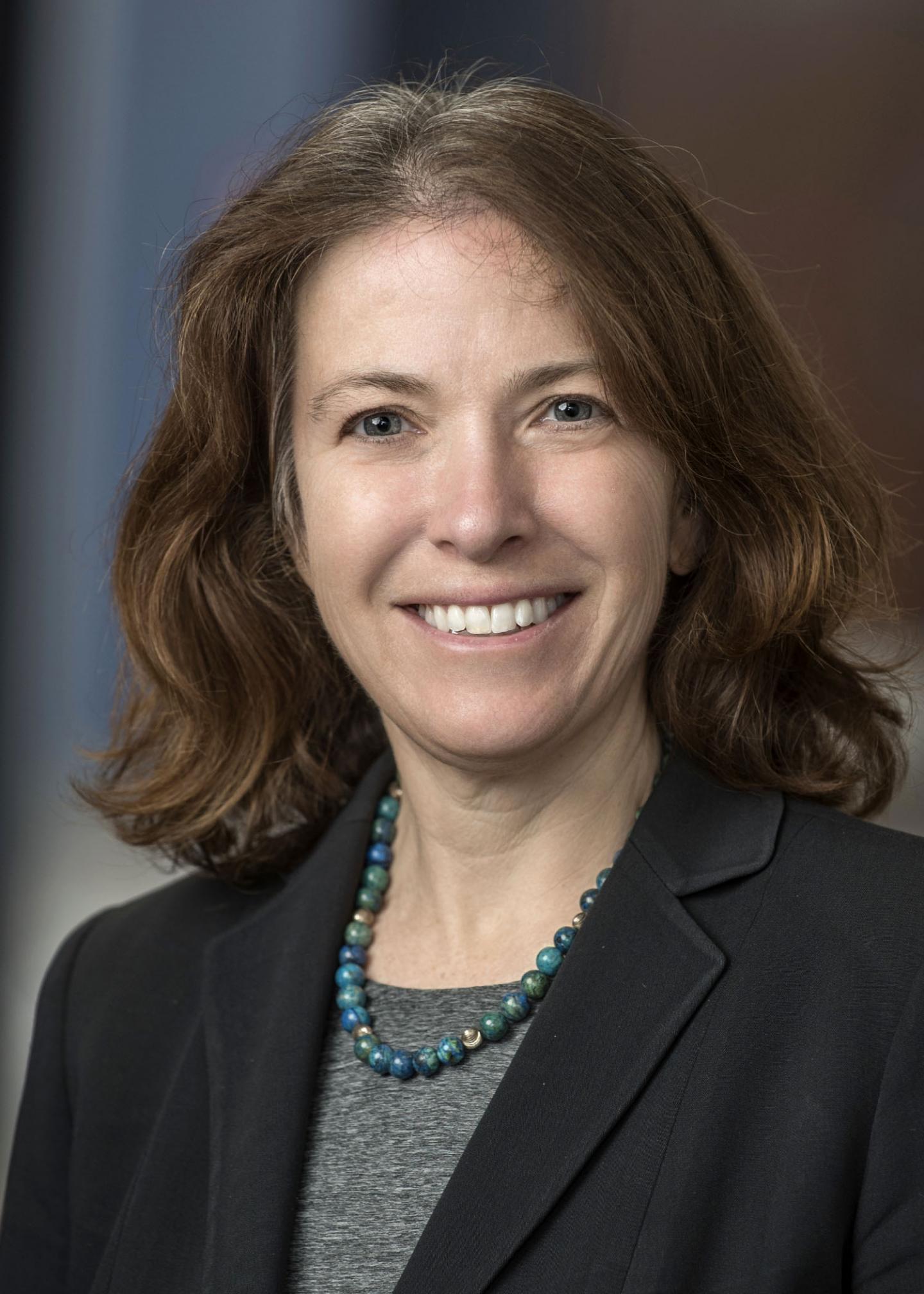
University of Massachusetts Amherst health services researcher Dr. Sarah Goff has received a $3 million grant from the National Institutes of Health to study the impact of accountable care organizations (ACOs) on asthma care for children insured by Medicaid.
ACOs are the value-based health care delivery model expanded by the Affordable Care Act in an effort to reduce Medicare and Medicaid costs while improving coordination and quality of care.
A practicing pediatrician and internist, Goff has seen firsthand the risks and effects of childhood asthma in a region considered one of the country’s most challenging places to live with asthma by the Asthma and Allergy Foundation of America (AAFA).
Springfield, where Goff worked for more than a decade, was ranked the #1 asthma capital in 2019 and 2020, and dropped to #12 in 2021. Other high-risk areas in the state include Worcester (#11) and Boston (#18). The AAFA’s rankings are based on asthma prevalence, emergency department visits and asthma-related deaths, as well as social and environmental determinants of health, including poverty, air pollution and health care access.
Goff, associate professor of health policy and management in the School of Public Health and Health Sciences, notes that asthma is the most common chronic disease of childhood, causing more preventable hospitalizations and lost school days than any other childhood illness. Children in lower-income, urban, Black and Latinx populations are more likely to have asthma, as well as poorly controlled disease, which puts them at risk for long-term poor health.
“As a clinician, I would see families struggling to figure out how to manage this chronic disease that’s impacted by so many social determinants of health,” Goff says. “And there are so many challenges to interface with – a fragmented health care system that can be difficult to navigate and so on.”
The new Medicaid ACOs in Massachusetts are designed to address the social determinants of health as part of medical care, Goff says. “A substantial and growing number children with asthma in populations at risk for disparate health outcomes receive care in ACOs, but their effect on asthma quality of care, outcomes and disparities is not known. I’m really interested in healthcare reform and this question of whether value-based care will make a difference.”
The newly funded study is the first to address this “critical gap in knowledge,” and it may have implications for other states considering the ACO model for their Medicaid programs.
Goff and colleagues will examine data from 17 Medicaid ACOs launched in Massachusetts in 2018. They will look at asthma outcomes for Medicaid-insured children in ACOs compared to commercially insured children and Medicaid-insured children in non-ACO plans.
Goff says that significant changes won’t likely be apparent right away. “But after the first few years, in theory, the increased focus on care coordination and addressing social determinants of health could improve pediatric asthma care and outcomes for Medicaid-insured children in Massachusetts,” she says. “It is also possible that, due to the complexity of the health care system and other factors, we may find minimal change, which is important to know, too.”
Goff’s team will use “Big Data” approaches to analyze claims data and identify patterns of change. “After that, we are going to do a series of surveys and interviews with the ACOs to ‘look under the hood’ and try to better understand why we see the patterns we find. Is it the size of the ACO? Is it their experience being an ACO before becoming a Medicaid ACO? Did they put special programs in place?”
Ultimately, she hopes the large investments made to develop the ACO model will give millions of children a better chance at a healthy future.
###
Media Contact
Patty Shillington
[email protected]
Original Source
https:/