• HOME
  • NEWS
  • EXPLORE
    • CAREER
      • Companies
      • Jobs
    • EVENTS
    • iGEM
      • News
      • Team
    • PHOTOS
    • VIDEO
    • WIKI
  • BLOG
  • COMMUNITY
    • FACEBOOK
    • INSTAGRAM
    • TWITTER
Tuesday, May 19, 2026
BIOENGINEER.ORG
No Result
View All Result
  • Login
  • HOME
  • NEWS
  • EXPLORE
    • CAREER
      • Companies
      • Jobs
        • Lecturer
        • PhD Studentship
        • Postdoc
        • Research Assistant
    • EVENTS
    • iGEM
      • News
      • Team
    • PHOTOS
    • VIDEO
    • WIKI
  • BLOG
  • COMMUNITY
    • FACEBOOK
    • INSTAGRAM
    • TWITTER
  • HOME
  • NEWS
  • EXPLORE
    • CAREER
      • Companies
      • Jobs
        • Lecturer
        • PhD Studentship
        • Postdoc
        • Research Assistant
    • EVENTS
    • iGEM
      • News
      • Team
    • PHOTOS
    • VIDEO
    • WIKI
  • BLOG
  • COMMUNITY
    • FACEBOOK
    • INSTAGRAM
    • TWITTER
No Result
View All Result
Bioengineer.org
No Result
View All Result
Home NEWS Science News Health

UC Berkeley’s massive egg collection aids project up for Webby

Bioengineer by Bioengineer
April 17, 2018
in Health
Reading Time: 1 min read
0
Share on FacebookShare on TwitterShare on LinkedinShare on RedditShare on Telegram
IMAGE

Credit: UC Berkeley

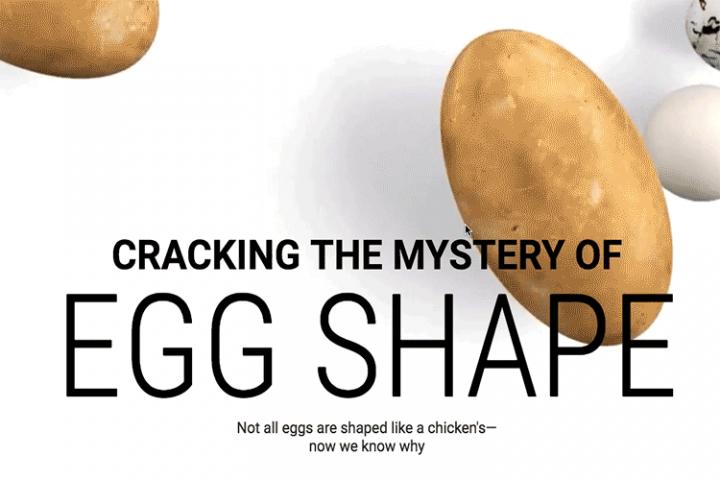
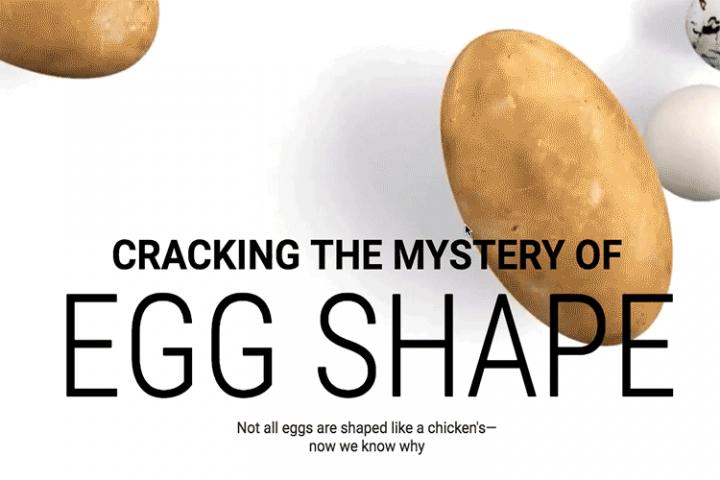
Can the 12,800 egg sets in the collection of UC Berkeley's Museum of Vertebrate Zoology tell us why some eggs are oval, while others are round?

That's the question Science magazine asked in a data visualization, http://vis.sciencemag.org/eggs/, now competing for a best-of-the-Internet Webby award.

Drawing on scientific papers and the rich collection at UC Berkeley's museum, designers with the magazine developed a webpage that tries to "crack the mystery of egg shape," using charts and animations. You can vote for their effort before Thursday on the Webby website, https://vote.webbyawards.com/PublicVoting#/2018/websites/features-design/best-individual-editorial-experience.

The Museum of Vertebrate Zoology's egg and nest collection contains some 200 nests and 12,800 egg sets from across North America, Europe, Asia and Africa. The first specimen was collected in 1843. The smallest is a hummingbird egg weighing just two-tenths of a gram; the largest egg in the collection is the nine-kilogram monster of the now-extinct elephant bird.

Researchers and designers at Science looked at the almost perfectly round hawk owl egg and the very oblong eggs of the murre, a low-Arctic water bird, to find an answer to the egg-shape question.

Their conclusion? The shape of the egg depends on the bird's flying habits: the stronger they fly, the longer their egg.

###

Media Contact

Robert Sanders
[email protected]
510-643-6998
@UCBerkeleyNews

Home

Share13Tweet8Share2ShareShareShare2

Related Posts

Breakthrough Potential: New Molecules Combat Antibiotic Resistance

May 19, 2026

Omega-3 Boosts Erectile Function in Tamoxifen Rats

May 19, 2026

Global Review: Nursing Boosts Rehabilitation After Fractures

May 19, 2026

New Anti-Mesothelioma Compounds from Paramyrothecium sp.

May 19, 2026
Please login to join discussion

POPULAR NEWS

  • Research Indicates Potential Connection Between Prenatal Medication Exposure and Elevated Autism Risk

    845 shares
    Share 338 Tweet 211
  • New Study Reveals Plants Can Detect the Sound of Rain

    731 shares
    Share 292 Tweet 182
  • Salmonella Haem Blocks Macrophages, Boosts Infection

    62 shares
    Share 25 Tweet 16
  • Breastmilk Balances E. coli and Beneficial Bacteria in Infant Gut Microbiomes

    58 shares
    Share 23 Tweet 15

About

We bring you the latest biotechnology news from best research centers and universities around the world. Check our website.

Follow us

Recent News

High-Efficiency Multi-Scale 3D Volumetric Holography

TAILORx and RxPONDER Trials Transition to Discovery Platform Leveraging Advanced Tumor Profiling and AI for Breast Cancer Recurrence Analysis

Common Asthma Medication Exhibits Potential in Combating Aggressive Cancers

Subscribe to Blog via Email

Enter your email address to subscribe to this blog and receive notifications of new posts by email.

Join 82 other subscribers
  • Contact Us

Bioengineer.org © Copyright 2023 All Rights Reserved.

Welcome Back!

Login to your account below

Forgotten Password?

Retrieve your password

Please enter your username or email address to reset your password.

Log In
No Result
View All Result
  • Homepages
    • Home Page 1
    • Home Page 2
  • News
  • National
  • Business
  • Health
  • Lifestyle
  • Science

Bioengineer.org © Copyright 2023 All Rights Reserved.