A rare case report published in Annals of Hematology describes how a 19-year-old man with X-linked hyper-IgM syndrome, one of the most formidable inborn errors of immunity, survived a punishing sequence of two organ transplants and multiple opportunistic infections, emerging three years later with a fully rebuilt immune system and a functioning donor liver. The report, authored by Davide Murgia and colleagues at the Papa Giovanni XXIII hospital in Bergamo, Italy, together with collaborators in Reggio Calabria and Milan, is more than a clinical anecdote. It offers a detailed real-world test of how modern antiviral prophylaxis, particularly the cytomegalovirus drug letermovir, can be deployed across the treacherous intersection of bone marrow and liver transplantation in a patient whose immune defenses were, in effect, absent from birth.
X-linked hyper-IgM syndrome, abbreviated XHIM, is caused by mutations in the gene encoding CD40 ligand, a surface molecule on helper T cells that is essential for instructing B cells to switch antibody classes. Without a functional CD40 ligand, B cells remain frozen at the IgM stage, leaving patients unable to produce IgG, IgA, and IgE antibodies. The name of the disease reflects the paradoxical laboratory finding: IgM levels are normal or even elevated, while the rest of the antibody repertoire is missing. But the defect reaches further than humoral immunity. CD40 ligand signaling is also required for macrophage activation and for effective T cell communication with antigen-presenting cells, so patients suffer from a combined cellular and humoral immunodeficiency. The clinical consequences are devastating: recurrent and severe infections with bacteria, fungi, and above all opportunistic pathogens that healthy immune systems dispatch without notice.
Among these opportunistic threats, few are as characteristic or as consequential as Cryptosporidium parvum, a waterborne intestinal parasite that is merely an inconvenience for immunocompetent people but a relentless adversary in XHIM. The parasite colonizes the biliary tract, where it drives a progressive, scarring inflammation of the bile ducts known as sclerosing cholangitis. Over time the ducts are destroyed, bile flow is obstructed, and the liver fails. There is no reliably effective antimicrobial therapy for cryptosporidial cholangitis once it takes hold; the only definitive cure for the underlying immune defect is allogeneic hematopoietic stem cell transplantation, or HSCT, which replaces the patient’s defective hematopoietic system with donor stem cells capable of generating functional T cells and class-switched antibodies. The critical caveat, well recognized in the field, is that outcomes of HSCT deteriorate sharply once advanced liver disease has developed, creating a race against time that many patients lose.
The Bergamo patient illustrates exactly why that race matters. By age 19, his sclerosing cholangitis was progressive, and the team proceeded with HSCT from an unrelated donor matched at 8 of 10 HLA loci, a partially mismatched graft that carries heightened risks of rejection and graft-versus-host disease but was necessitated by the lack of a fully matched donor. Early after the infusion, he developed severe cholestasis and persistent fever. Diagnostic workup identified active Cryptosporidium parvum infection that responded poorly to antimicrobial agents. What ultimately turned the tide was not a new drug but the withdrawal of immunosuppression: as the team tapered the medications given to prevent graft rejection, the patient’s donor-derived T cells recovered, and with that immune reconstitution the cryptosporidial infection finally resolved. The observation underscores a central principle of transplant immunology in immunodeficiency: antimicrobial therapy can suppress pathogens, but only a reconstituted cellular immune system can truly clear them.
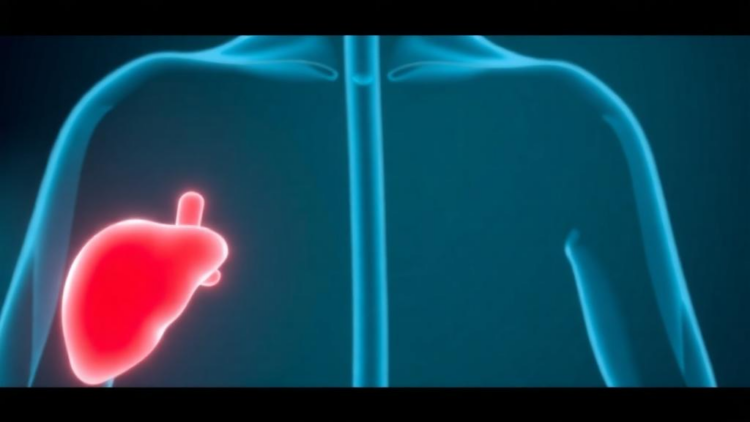
Engraftment, however, was not enough to save his native liver. The cholangiopathy, already advanced before transplantation, continued its downward course, and six months after the stem cell transplant the patient underwent liver transplantation. This sequential strategy, HSCT followed by solid organ transplantation, is exceptionally rare and exceptionally demanding. Each procedure imposes its own burden of immunosuppression, and the two must be balanced against each other: too little immunosuppression invites graft rejection and opportunistic infection, while too much suppresses the very T cell recovery that the bone marrow transplant was meant to achieve and that the patient’s survival against Cryptosporidium depended upon.
Superimposed on this balancing act was a second viral threat: cytomegalovirus, or CMV. CMV is among the most common and dangerous infections after transplantation, capable of causing pneumonia, hepatitis, colitis, and bone marrow suppression, and of amplifying the risk of rejection and secondary infections. Patients who are CMV-seropositive themselves, or who receive organs or stem cells from seropositive donors, are classified as high risk for reactivation once immunosuppression begins. For this patient, whose CMV risk profile was unfavorable and whose blood counts were severely depressed, the team selected letermovir, a relatively recent antiviral that inhibits the CMV terminase complex, an enzyme the virus needs to package its DNA into newly formed viral particles. Because the terminase complex has no human counterpart, letermovir is highly specific, sparing the mitochondrial and renal toxicity that complicates older CMV drugs such as ganciclovir and foscarnet, an advantage of particular importance in a patient already battling cytopenias and liver dysfunction.
The team administered letermovir prophylaxis for 100 days after transplantation, a duration consistent with the evidence base established in studies of CMV-seropositive recipients of hematopoietic stem cell transplants, where the drug has dramatically reduced clinically significant CMV infection during the early post-transplant period. During prophylaxis the patient remained protected. But when letermovir was discontinued, recurrent CMV reactivations emerged, a pattern well described in the literature as late CMV disease occurring after prophylaxis ends. Once again, the decisive intervention was not an escalation of antiviral therapy alone but the careful tapering of immunosuppression, which allowed further T cell immune reconstitution to take place. With each round of tapering, the patient’s donor-derived cellular immunity matured, and the CMV episodes resolved.
At three years of follow-up, the outcome is striking. The patient is clinically well, with full donor chimerism, meaning that every measurable hematopoietic cell in his blood now originates from the donor’s stem cells. His liver function is stable, a testament to the success of the sequential transplant strategy. Most remarkably, his immune recovery has been sufficient to allow discontinuation of the lifelong immunoglobulin replacement therapy that XHIM patients typically require, indicating that his donor-derived B cells, now receiving proper CD40 ligand signals from functional donor T cells, are producing their own antibodies of the correct classes. In effect, the two transplants together replaced both the cellular and the humoral arms of his immune system, and the liver transplant replaced the organ that the defective immune system had destroyed.
The authors draw several lessons from this course that extend beyond the single patient. First, the case reinforces the argument for early HSCT in XHIM, before Cryptosporidium-associated liver disease becomes irreversible, because the window in which stem cell transplantation can be performed safely closes as cholangiopathy advances. Second, it highlights the central role of immune reconstitution in controlling opportunistic infections, with both cryptosporidiosis and CMV reactivation resolving only as donor T cells recovered and immunosuppression was withdrawn. Third, it suggests that extended letermovir prophylaxis may have a useful role in high-risk liver transplant recipients, a population in whom the drug’s evidence base is still being defined, and that clinicians should anticipate late CMV reactivation when prophylaxis is stopped before immune recovery is complete. For a disease as rare as XHIM, individual cases carry disproportionate weight, and this one, documented with open access and full transparency, adds a valuable data point to the small but growing literature on managing combined immune and solid organ transplantation in the era of targeted antiviral prophylaxis.
Subject of Research: Sequential hematopoietic stem cell and liver transplantation with letermovir CMV prophylaxis in X-linked hyper-IgM syndrome
Article Title: Sequential transplantation of allogeneic hematopoietic stem cells and liver in x-linked hyper-IgM syndrome: the role of CMV prophylaxis with letermovir
Article References: Murgia, D., Algarotti, A., Micò, M. C., D’Antiga, L., Luca, M., Del Carro, F., Lussana, F., Rambaldi, A., & Grassi, A. (2026). Sequential transplantation of allogeneic hematopoietic stem cells and liver in x-linked hyper-IgM syndrome: the role of CMV prophylaxis with letermovir. Annals of Hematology. https://doi.org/10.1007/s00277-026-07261-0
Image Credits: AI Generated
DOI: 10.1007/s00277-026-07261-0
Keywords: X-linked hyper-IgM syndrome, CD40 ligand deficiency, hematopoietic stem cell transplantation, liver transplantation, sclerosing cholangitis, Cryptosporidium parvum, cytomegalovirus, letermovir, immune reconstitution, donor chimerism, inborn errors of immunity, CMV prophylaxis
Cite Scienmag News
APA
MLA
Chicago
Kristina Jarvis. (October 2, 2026). Two Transplants, One Immune Rebuild: Letermovir Shields a Rare Immunodeficiency Case. Scienmag. https://scienmag.com/two-transplants-one-immune-rebuild-letermovir-shields-a-rare-immunodeficiency-case/
Kristina Jarvis. “Two Transplants, One Immune Rebuild: Letermovir Shields a Rare Immunodeficiency Case.” Scienmag, 2 October 2026, https://scienmag.com/two-transplants-one-immune-rebuild-letermovir-shields-a-rare-immunodeficiency-case/. Accessed 2 October 2026.
Kristina Jarvis. “Two Transplants, One Immune Rebuild: Letermovir Shields a Rare Immunodeficiency Case.” Scienmag. October 2, 2026. https://scienmag.com/two-transplants-one-immune-rebuild-letermovir-shields-a-rare-immunodeficiency-case/
Copy citation
Download RIS
Tags: advanced immunodeficiency case studyantiviral prophylaxis with letermovirbone marrow and liver transplantation outcomesCD40 ligand deficiencyCD40 ligand gene mutationschallenges in treating rare immunodeficienciesCMV prophylaxisCryptosporidium parvumcytomegalovirusdonor chimerismhematopoietic stem cell transplantationimmune deficiency and infectious disease controlimmune reconstitutionimmune reconstitution post-transplantimmune system rebuild after transplantsinborn errors of immunityletermovirliver transplantationmanagement of cytomegalovirus in transplant patientsopportunistic infections in immunodeficient patientsorgan transplantation in immunodeficiencysclerosing cholangitisX-linked hyper-IgM syndrome