• HOME
  • NEWS
  • EXPLORE
    • CAREER
      • Companies
      • Jobs
    • EVENTS
    • iGEM
      • News
      • Team
    • PHOTOS
    • VIDEO
    • WIKI
  • BLOG
  • COMMUNITY
    • FACEBOOK
    • INSTAGRAM
    • TWITTER
Friday, November 6, 2026
BIOENGINEER.ORG
No Result
View All Result
  • Login
  • HOME
  • NEWS
  • EXPLORE
    • CAREER
      • Companies
      • Jobs
        • Lecturer
        • PhD Studentship
        • Postdoc
        • Research Assistant
    • EVENTS
    • iGEM
      • News
      • Team
    • PHOTOS
    • VIDEO
    • WIKI
  • BLOG
  • COMMUNITY
    • FACEBOOK
    • INSTAGRAM
    • TWITTER
No Result
View All Result
Bioengineer.org
No Result
View All Result
Home NEWS Science News Technology

Tuned Electrospun Fe-NC Catalysts Boost Oxygen Reduction Reaction Performance

by
November 6, 2026
in Technology
Reading Time: 2 mins read
0
Tuned Electrospun Fe-NC Catalysts Boost Oxygen Reduction Reaction Performance

Tuned Electrospun Fe-NC Catalysts Boost Oxygen Reduction Reaction Performance

Share on FacebookShare on TwitterShare on LinkedinShare on RedditShare on Telegram

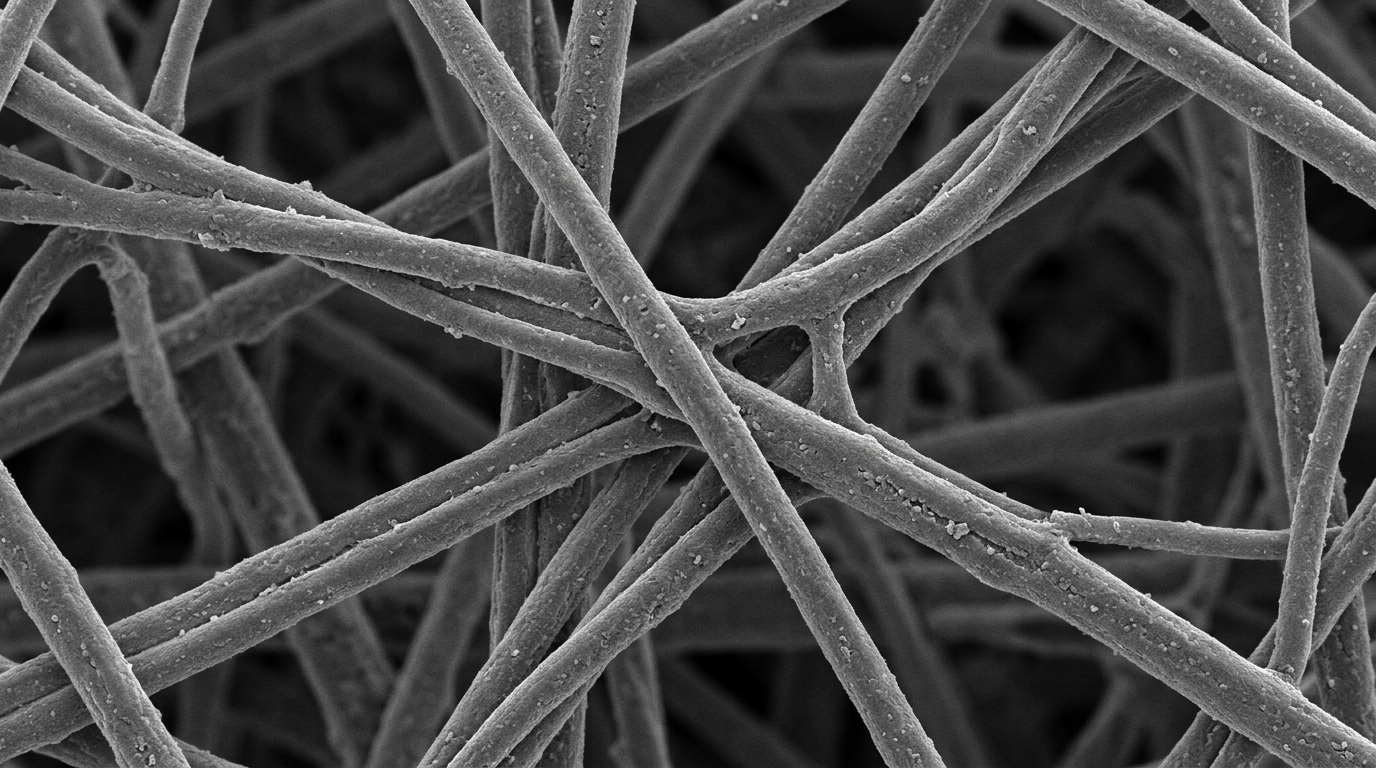
Iron-nitrogen-carbon (Fe-NC) catalysts fabricated through electrospinning achieve enhanced oxygen reduction reaction activity and long-term durability compared to commercial platinum-carbon materials. The fabrication process relies directly on controlling both the iron-to-nitrogen precursor ratio and the annealing temperature during thermal processing. The reported experimental findings show that the iron-to-nitrogen precursor ratio and the annealing temperature operate synergistically to regulate the content of different nitrogen species within the resulting electrospun catalyst structures.

The experimental results are consistent with FeN₄ serving as the dominant active site for the oxygen reduction reaction. By tuning the precursor ratio and the annealing temperature, the maximum content of FeN₄ reached 28 percent. This maximum content of 28 percent directly contributes to the excellent catalytic activity observed in the electrospun Fe-NC materials, confirming the critical role of FeN₄ sites in driving the reaction.

Electrochemical performance testing indicates that the optimized Fe-NC catalyst displays better oxygen reduction performance than commercial platinum-carbon (PtC), achieving an improved half-wave potential of E₁/₂ = 0.87 V. In addition to this higher catalytic activity, the optimized catalyst displays better long-term durability than commercial PtC, demonstrating a retention of 76.4 percent under testing conditions. The electrospun catalyst thus surpasses the commercial PtC benchmark in both oxygen reduction performance and durability retention.

Overall, the work provides an effective strategy for designing high-performance Fe-NC electrocatalysts through the precise regulation of nitrogen species. By demonstrating that the iron-to-nitrogen precursor ratio and annealing temperature synergistically regulate nitrogen species and maximize the active FeN₄ content at 28 percent, the study presents an effective method for enhancing both catalytic activity and long-term durability relative to commercial PtC.

Subject of Research: Electrospun Fe-NC electrocatalysts for the oxygen reduction reaction

Article Title: Electrospun Fe-NC catalysts: tuning Fe/N ratio and annealing temperature to regulate nitrogen species for enhanced oxygen reduction reaction

Article References: Li, Z., Li, C., Gao, P., Yu, H., Shu, Q., Zhang, Y., Liu, S., & Zhao, H. (2026). Electrospun Fe-NC catalysts: tuning Fe/N ratio and annealing temperature to regulate nitrogen species for enhanced oxygen reduction reaction. Ionics. https://doi.org/10.1007/s11581-026-07621-w

Image Credits: AI Generated

DOI: 10.1007/s11581-026-07621-w

Keywords: Fe-NC catalysts, electrospinning, oxygen reduction reaction, electrocatalysis, nitrogen species, FeN4 active sites, annealing temperature, catalytic durability, Electrospun, Fe-NC, catalysts, tuning

News Source: Denise Maddox. (November 6, 2026). Tuned Electrospun Fe-NC Catalysts Boost Oxygen Reduction Reaction Performance. Scienmag.

Tags: annealing temperaturecatalystscatalytic durabilityelectrocatalysiselectrospinningElectrospunFe-NCFe-NC catalystsFeN4 active sitesnitrogen speciesoxygen reduction reactiontuning
Share12Tweet7Share2ShareShareShare1

Related Posts

Non-Technical Barriers Stifle Residential Heat Pump Flexibility Across Six Countries

Non-Technical Barriers Stifle Residential Heat Pump Flexibility Across Six Countries

November 6, 2026
Simulated Ag2BaTiSe4 Photonic Device Achieves High Solar Efficiency and Sensitive Photodetection

Simulated Ag2BaTiSe4 Photonic Device Achieves High Solar Efficiency and Sensitive Photodetection

November 6, 2026

Power grids worldwide share a hidden one-minute heartbeat

November 6, 2026

Trap Recombination Hits Organic and Perovskite Solar Cells in Opposite Ways

November 6, 2026

POPULAR NEWS

  • Passively aerated constructed wetlands turn piggery wastewater into a low-cost success story

    Passively aerated constructed wetlands turn piggery wastewater into a low-cost success story

    29 shares
    Share 12 Tweet 7
  • Prior Head Injury Strongly Predicts New Mental Disorders After Mild Traumatic Brain Injury

    29 shares
    Share 12 Tweet 7
  • Polyaniline-Functionalized Magnetic Activated Carbon Efficiently Removes Methyl Orange From Water

    29 shares
    Share 12 Tweet 7
  • Plant Metabolite Brachycerine Shields Human Skin Samples From UV Damage

    29 shares
    Share 12 Tweet 7

About

We bring you the latest biotechnology news from best research centers and universities around the world. Check our website.

Follow us

Recent News

Thyme Extract Regulates Ovarian Gene Expression in Experimental Polycystic Ovary Syndrome

Invasive Pulmonary Aspergillosis Struck Nearly 12% of ICU Patients in the COVID-19 Era, Global Meta-Analysis Finds

Severe Arterial Stenosis Increases Infarction Risk in Adult Moyamoya Revascularization

Subscribe to Blog via Email

Enter your email address to subscribe to this blog and receive notifications of new posts by email.

Join 86 other subscribers
  • Contact Us

Bioengineer.org © Copyright 2023 All Rights Reserved.

Welcome Back!

Login to your account below

Forgotten Password?

Retrieve your password

Please enter your username or email address to reset your password.

Log In
No Result
View All Result
  • Homepages
    • Home Page 1
    • Home Page 2
  • News
  • National
  • Business
  • Health
  • Lifestyle
  • Science

Bioengineer.org © Copyright 2023 All Rights Reserved.