• HOME
  • NEWS
  • EXPLORE
    • CAREER
      • Companies
      • Jobs
    • EVENTS
    • iGEM
      • News
      • Team
    • PHOTOS
    • VIDEO
    • WIKI
  • BLOG
  • COMMUNITY
    • FACEBOOK
    • INSTAGRAM
    • TWITTER
Wednesday, May 27, 2026
BIOENGINEER.ORG
No Result
View All Result
  • Login
  • HOME
  • NEWS
  • EXPLORE
    • CAREER
      • Companies
      • Jobs
        • Lecturer
        • PhD Studentship
        • Postdoc
        • Research Assistant
    • EVENTS
    • iGEM
      • News
      • Team
    • PHOTOS
    • VIDEO
    • WIKI
  • BLOG
  • COMMUNITY
    • FACEBOOK
    • INSTAGRAM
    • TWITTER
  • HOME
  • NEWS
  • EXPLORE
    • CAREER
      • Companies
      • Jobs
        • Lecturer
        • PhD Studentship
        • Postdoc
        • Research Assistant
    • EVENTS
    • iGEM
      • News
      • Team
    • PHOTOS
    • VIDEO
    • WIKI
  • BLOG
  • COMMUNITY
    • FACEBOOK
    • INSTAGRAM
    • TWITTER
No Result
View All Result
Bioengineer.org
No Result
View All Result
Home NEWS Science News

Tulane announces five finalists for $1 million Dead Zone Challenge

Bioengineer by Bioengineer
December 5, 2016
in Science News
Reading Time: 2 mins read
0
Share on FacebookShare on TwitterShare on LinkedinShare on RedditShare on Telegram
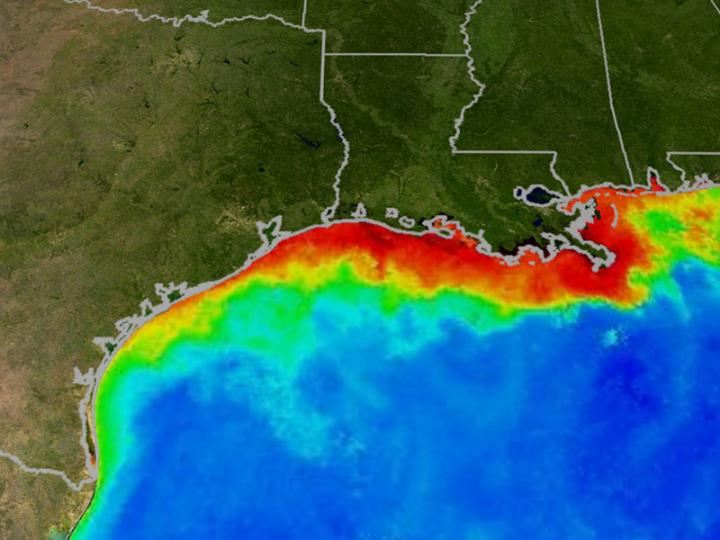
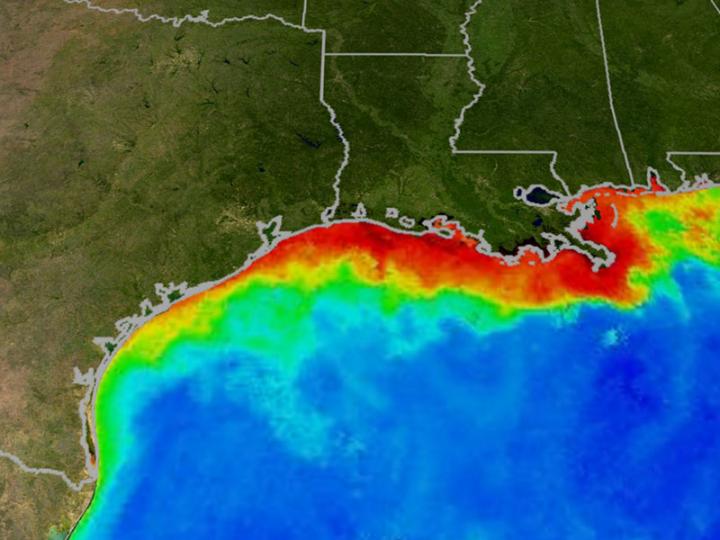
IMAGE

Credit: (Photo from NASA)

The National Advisory Committee for the Tulane Nitrogen Reduction Challenge has selected five finalists for its $1 million cash prize, which will be awarded to the team that presents the best solution to combat hypoxia — the deadly deficiency of oxygen that creates annual "dead zones" in the world's lakes and oceans. Such dead zones kill marine life and threaten the economies of coastal regions, including those along the Gulf of Mexico, home to the world's second-largest dead zone.

The purpose of the challenge is to find in-field solutions to hypoxia that reduce nitrogen runoff from crop fertilizers into rivers. Such runoff from the nation's farmlands is considered the primary cause of annual dead zones.

The five team finalists for the $1 million prize are ADAPT-N (Ithaca, N.Y.), AgDNA (Brisbane, Queensland, Australia), Cropsmith (Farmer City, Ill.), PIVOT (Berkeley, Calif.) and Stable'N (Carmi, Ill.). The solutions presented by the finalists to combat the dead zones range from using electricity to inhibit nitrogen loss, utilizing microbes to enhance availability of nitrogen for crops, an integrated nutrient management system, and using real-time data and simulation scenarios through precision agriculture/model derivatives to determine nitrogen application rates.

The Tulane challenge received 77 registrants, including 10 international teams from Australia, Canada, Chile, Brazil, India, Ireland, Israel and Singapore. The 15-member Advisory Committee unanimously selected the five finalist teams in November based upon the teams' Technical Submissions.

"Narrowing down to just five finalists was a very competitive process because of the quantity and the quality of submissions received," Challenge Director Leah Berger Jensen said. "We are fortunate that these top five teams represent diverse innovations from across the world. We are at a critical stage of the Challenge as we venture into Phase 2- the in-field trial – and we look forward to observing these teams implement their solutions into practice on the farm."

Moving ahead into Phase 2, the five finalist teams will be provided a plot of farmland in Tensas Parish in northeast Louisiana to field test their innovation. The winning team will be judged based on the impact their solution has on crop yield, how well their solution manages nutrient runoff and how much it costs. The $1 million grand prize will be awarded in December 2017.

###

The Tulane Nitrogen Reduction Challenge is funded by Mrs. Phyllis Taylor, president of the Patrick F. Taylor Foundation and a member of the Board of Tulane.

Media Contact

Roger Dunaway
[email protected]
504-862-8240
@TulaneNews

http://www.tulane.edu

############

Story Source: Materials provided by Scienmag

Share12Tweet8Share2ShareShareShare2

Related Posts

Regular Guava Juice Intake May Reduce Anemia Risk in Women: New Findings

May 27, 2026

Brazilian Medical Students Boost Public Confidence in Vaccination

May 27, 2026

Synthetic Microbial Communities Boost Hydroponic Tomato Growth

May 27, 2026

Advanced Access Scheduling Cuts Primary Care Wait Times, Boosts Patient-Physician Continuity

May 27, 2026
Please login to join discussion

POPULAR NEWS

  • ESMO 2025: mRNA COVID Vaccines Enhance Efficacy of Cancer Immunotherapy

    317 shares
    Share 127 Tweet 79
  • New Study Reveals Plants Can Detect the Sound of Rain

    735 shares
    Share 293 Tweet 183
  • Common Food Preservatives Associated with Elevated Blood Pressure and Increased Heart Disease Risk

    56 shares
    Share 22 Tweet 14
  • AI-Powered Atlas Uncovers Extensive Whole-Body Damage Linked to Obesity

    53 shares
    Share 21 Tweet 13

About

We bring you the latest biotechnology news from best research centers and universities around the world. Check our website.

Follow us

Recent News

Regular Guava Juice Intake May Reduce Anemia Risk in Women: New Findings

Brazilian Medical Students Boost Public Confidence in Vaccination

Synthetic Microbial Communities Boost Hydroponic Tomato Growth

Subscribe to Blog via Email

Enter your email address to subscribe to this blog and receive notifications of new posts by email.

Join 82 other subscribers
  • Contact Us

Bioengineer.org © Copyright 2023 All Rights Reserved.

Welcome Back!

Login to your account below

Forgotten Password?

Retrieve your password

Please enter your username or email address to reset your password.

Log In
No Result
View All Result
  • Homepages
    • Home Page 1
    • Home Page 2
  • News
  • National
  • Business
  • Health
  • Lifestyle
  • Science

Bioengineer.org © Copyright 2023 All Rights Reserved.