• HOME
  • NEWS
  • EXPLORE
    • CAREER
      • Companies
      • Jobs
    • EVENTS
    • iGEM
      • News
      • Team
    • PHOTOS
    • VIDEO
    • WIKI
  • BLOG
  • COMMUNITY
    • FACEBOOK
    • INSTAGRAM
    • TWITTER
Thursday, May 14, 2026
BIOENGINEER.ORG
No Result
View All Result
  • Login
  • HOME
  • NEWS
  • EXPLORE
    • CAREER
      • Companies
      • Jobs
        • Lecturer
        • PhD Studentship
        • Postdoc
        • Research Assistant
    • EVENTS
    • iGEM
      • News
      • Team
    • PHOTOS
    • VIDEO
    • WIKI
  • BLOG
  • COMMUNITY
    • FACEBOOK
    • INSTAGRAM
    • TWITTER
  • HOME
  • NEWS
  • EXPLORE
    • CAREER
      • Companies
      • Jobs
        • Lecturer
        • PhD Studentship
        • Postdoc
        • Research Assistant
    • EVENTS
    • iGEM
      • News
      • Team
    • PHOTOS
    • VIDEO
    • WIKI
  • BLOG
  • COMMUNITY
    • FACEBOOK
    • INSTAGRAM
    • TWITTER
No Result
View All Result
Bioengineer.org
No Result
View All Result
Home NEWS Science News Biology

To sustain a thriving café culture, we must ditch the disposable cup.

Bioengineer by Bioengineer
March 1, 2021
in Biology
Reading Time: 3 mins read
0
IMAGE
Share on FacebookShare on TwitterShare on LinkedinShare on RedditShare on Telegram

IMAGE

Credit: Pixabay

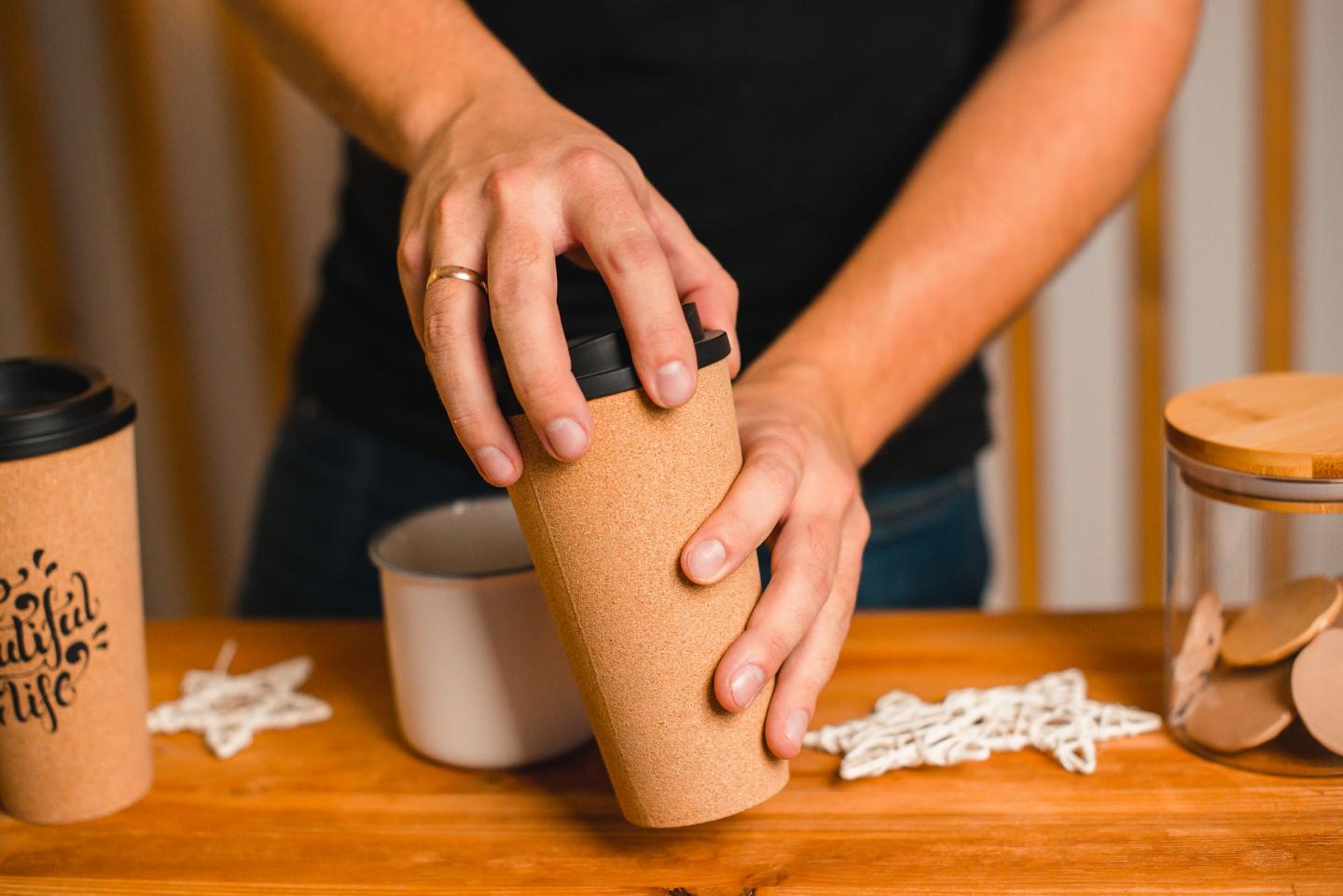
Takeaway coffees – they’re a convenient start for millions of people each day, but while the caffeine perks us up, the disposable cups drag us down, with nearly 300 billion ending up in landfill each year.

While most coffee drinkers are happy to make a switch to sustainable practices, new research from the University of South Australia shows that an absence of infrastructure and a general ‘throwaway’ culture is severely delaying sustainable change.

It’s a timely finding, particularly given the new bans on single-use plastics coming into effect in South Australia today, and the likelihood of takeaway coffee cups taking the hit by 2022.

Lead researcher, UniSA’s Dr Sukhbir Sandhu, says the current level of coffee cup waste is unsustainable and requires a commitment from individuals, retailers, and government agencies alike to initiate change.

“There’s no doubt we live in a disposable society – so much of our lives is about convenient, on-the-run transactions. But such a speedy pace encourages the ‘takeaway and throwaway’ culture that we so desperately need to change,” Dr Sandhu says.

“Educating and informing people about the issues of single-use coffee cups is effective – people generally want to do the right thing – but knowing what’s right and acting upon it are two different things, and at the moment, there are several barriers that are impeding potential progress.

“For example, if your favourite coffee shop doesn’t offer recyclable or compostable cups, it’s unlikely to stop you from getting a coffee; we need that coffee hit and we need it now. So, strike one.

“Then, with the popularity of arty, patterned paper cups on the rise, you may think you’re buying a recyclable option. But no – most takeaway coffee cups are in fact lined with a waterproof plastic, which is not only non-recyclable, but also a contaminant. Strike two.

“Finally, if you happen upon a coffee shop that does offer recyclable coffee cups, once you’re finished, where do you put it? A lack of appropriate waste disposal infrastructure means that even compostable cups are ending up in landfill. Strike three.

“As it happens, compostable cups need to go into a green organics bin, but these bins might not be easily accessible in public settings like the standard shopping precincts.”

While the South Australian government is moving in the right direction with its Replace the Waste campaign, changing our ‘grab and go’ culture is challenging.

“It’s important to drive home clear, strong messages about single-use plastics and their impact on the environment,” Dr Sandhu says.

“The more we can drive people to choose reusable cups, the more uptake we’ll see. People like to mimic what their colleagues, friends and peers do, especially when it is the right thing.”

###

Media contact:
Annabel Mansfield
T: +61 8 8302 0351
M: +61 417 717 504

E: [email protected]

Researcher:
Dr Sukhbir Sandhu
T: +61 8 8302 0735
E: [email protected]

Media Contact
Annabel Mansfield
[email protected]

Original Source

https://www.unisa.edu.au/Media-Centre/Releases/2021/to-sustain-a-thriving-cafe-culture-we-must-ditch-the-disposable-cup/

Related Journal Article

http://dx.doi.org/10.1016/j.jclepro.2020.125271

Tags: BehaviorClimate ChangeEcology/EnvironmentEnvironmental HealthPolicy/Ethics
Share12Tweet8Share2ShareShareShare2

Related Posts

UMass Chan Scientists Pioneer Gene Editing Technology That Rewrites Entire Genome Chapters — Biology

UMass Chan Scientists Pioneer Gene Editing Technology That Rewrites Entire Genome Chapters

May 13, 2026
Scientists Observe Rice Plants Capturing and Eliminating Fall Armyworm Caterpillars — Biology

Scientists Observe Rice Plants Capturing and Eliminating Fall Armyworm Caterpillars

May 13, 2026

Study Finds Genetic Risk for Schizophrenia Emerges in Early Adolescence

May 13, 2026

How Water Fleas Sense Their Predators: A Scientific Insight

May 13, 2026
Please login to join discussion

POPULAR NEWS

  • Research Indicates Potential Connection Between Prenatal Medication Exposure and Elevated Autism Risk

    842 shares
    Share 337 Tweet 211
  • New Study Reveals Plants Can Detect the Sound of Rain

    729 shares
    Share 291 Tweet 182
  • Salmonella Haem Blocks Macrophages, Boosts Infection

    62 shares
    Share 25 Tweet 16
  • Breastmilk Balances E. coli and Beneficial Bacteria in Infant Gut Microbiomes

    57 shares
    Share 23 Tweet 14

About

We bring you the latest biotechnology news from best research centers and universities around the world. Check our website.

Follow us

Recent News

Gaussian Boson Sampling: 1,024 Squeezed States, 8,176 Modes

Enamel Proteins Reveal Insights from Six Homo erectus

New Global Study Reveals Challenges in Combating High Blood Pressure Effectively

Subscribe to Blog via Email

Enter your email address to subscribe to this blog and receive notifications of new posts by email.

Join 82 other subscribers
  • Contact Us

Bioengineer.org © Copyright 2023 All Rights Reserved.

Welcome Back!

Login to your account below

Forgotten Password?

Retrieve your password

Please enter your username or email address to reset your password.

Log In
No Result
View All Result
  • Homepages
    • Home Page 1
    • Home Page 2
  • News
  • National
  • Business
  • Health
  • Lifestyle
  • Science

Bioengineer.org © Copyright 2023 All Rights Reserved.