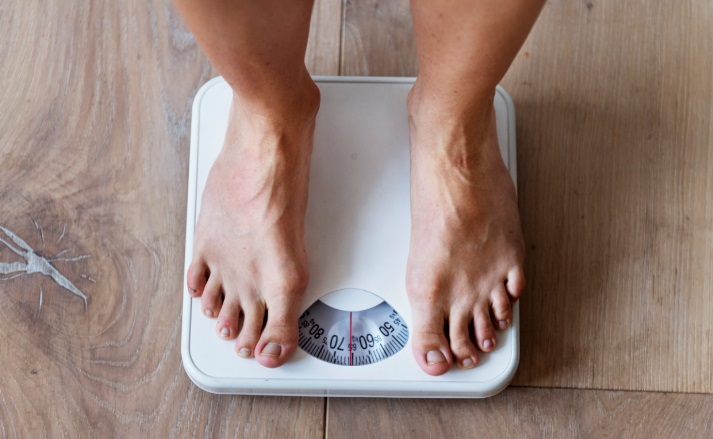
WEST LAFAYETTE, Ind. — People looking to manage their weight with strength-training and protein supplements should consume their supplements during a meal, according to a research review by nutrition experts at Purdue University. “It may matter when you take your supplements in relation to when you eat meals, so people who consume protein supplements in between meals as snacks may be less likely to be successful in managing their body weight,” said Wayne Campbell, professor of nutrition science and senior author on the study.
The findings are published in Nutrition Reviews. The study is led by Joshua Hudson, a Purdue postdoctoral research associate. Robert Bergia, a graduate research assistant, also contributed. The analysis was supported by Purdue’s Department of Nutrition Science.
Protein supplements are available in ready-to-drink, powdered and solid forms, and often contain whey, casein or soy proteins. They can help with weight gain, weight loss or weight management based on how they are incorporated into an eating plan and taken with meals or as snacks.
“This is really the first time that the issue of timing when supplements are consumed in regard to meals has been looked at,” Hudson said. “This review needs to be followed up by rigorous studies to better evaluate the timing of protein supplements in relationship to meals.”
Their analysis of research studies found that while protein supplementation effectively increased lean mass for all groups, consuming protein supplements with meals helped maintain their body weight while decreasing their fat mass. In contrast, consuming protein supplements between meals promoted weight gain.
The timing likely makes a difference because a person may tend to adjust their calories at a meal time to include the protein supplement.
“Such dietary compensation is likely missing when protein supplements are consumed as snacks. Calories at meal times may not be adjusted to offset the supplement’s calories, thus leading to a higher calorie intake for that day,” said Campbell, whose expertise integrates human nutrition, exercise physiology and geriatrics. “If the goal is to manage weight, then snacking on protein supplements may be less effective. People who are trying to gain weight may consider consuming protein supplements between meals.”
More than 2,000 nutrition articles were screened across journal databases to identify 34 studies with 59 intervention groups that were related to this topic. The studies were selected based on specific factors including inclusion of healthy adults, evaluating consumption of protein supplements between meals or with meals, whether results showed a change in lean muscle mass, and a minimum of six weeks duration for each of the studies.
###
ABSTRACT
Effects of protein supplements consumed with meals, versus between meals, on resistance training-induced body composition changes in adults: a systematic review
Joshua L. Hudson, Robert E. Bergia and Wayne W. Campbell
All are affiliated with the Department of Nutrition Science at Purdue University
doi: 10.1093/nutria.nuy012
Context: The impact of timing the consumption of protein supplements in relation to meals on resistance training-induced changes in body composition has not been evaluated systematically. Objective: The aim of this systematic review was to assess the effect of consuming protein supplements with meals, vs between meals, on resistance training-induced body composition changes in adults. Sources: Studies published up to 2017 were identified with the PubMed, Scopus Cochrane, and CINAHL databases. Data Extraction: Two researchers independently screened 2077 abstracts for eligible randomized controlled trials of parallel design that prescribed a protein supplement and measured changes in body composition for a period of 6 weeks or more. Results: In total, 34 randomized controlled trials with 59 intervention groups were included and qualitatively assessed. Of the intervention groups designated as consuming protein supplements with meals (n = 16) vs between meals, 56% vs 72% showed an increase in body mass, 94% to 90% showed an increase in lean mass, 87% percent vs 59% percent shoed a reduction in fat mass, and 100% vs 84% showed an increase in the ratio of lean mass to fat mass over time, respectively. Conclusions: Currently with resistance training, consuming protein supplements with meals, rather than between meals, may more effectively promote weight control and reduce fat mass without influencing improvements in lean mass.
Media Contact
Amy Patterson Neubert
[email protected]
765-494-9723
@PurdueUnivNews
http://www.purdue.edu/
http://www.purdue.edu/newsroom/releases/2018/Q2/to-manage-weight,-it-may-matter-when-protein-supplements-are-consumed.html
Related Journal Article
http://dx.doi.org/10.1093/nutria.nuy012