


A team of researchers led by Nora D. Volkow has published the protocol for a randomized, double-blind, placebo-controlled crossover trial that will test how tirzepatide, the dual GIP/GLP-1 receptor agonist best known for its metabolic effects, influences dopamine signaling in the brains of people with alcohol use disorder. The study, registered as NCT07559500, is a protocol paper, meaning it describes planned methods rather than results, and no efficacy findings are yet available.
Alcohol use disorder is described in the protocol as a leading cause of preventable morbidity and mortality, while currently approved pharmacotherapies offer only modest efficacy. The rationale for turning to incretin-based drugs rests on emerging preclinical, clinical, and pharmacoepidemiologic evidence suggesting that GLP-1 receptor agonists may reduce alcohol consumption by modulating dopamine brain reward pathways and brain–body communication. Tirzepatide’s effects on human brain function and dopamine neurotransmission in alcohol use disorder remain unknown, which is precisely the gap this trial is designed to address.
The study is single-center and phase 1b, with a two-part structure. It comprises a PET reproducibility study in healthy volunteers and a mechanistic study enrolling 44 healthy volunteers and 44 individuals with mild-to-moderate alcohol use disorder.
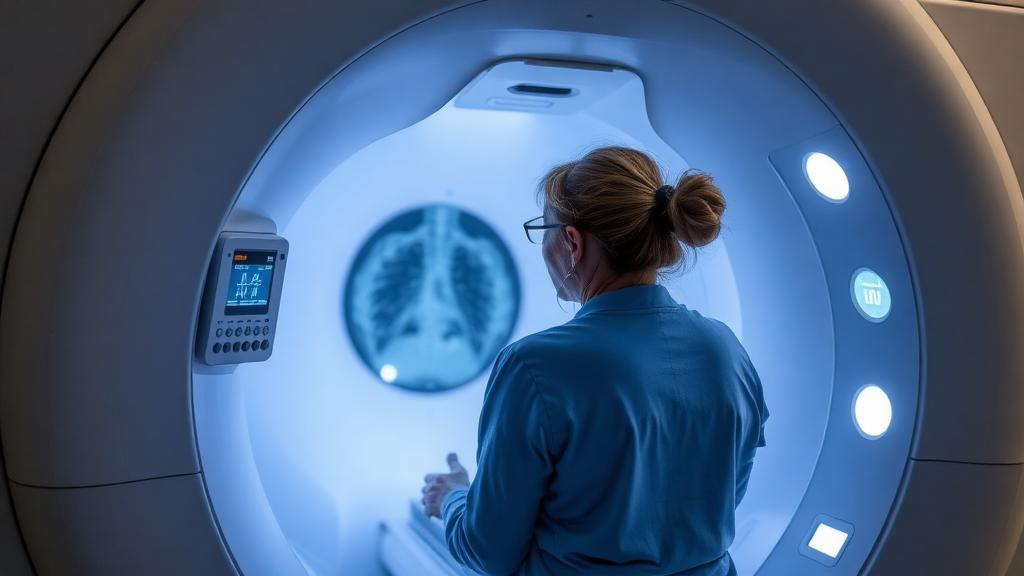
The imaging core of the trial uses simultaneous PET/MRI to quantify several aspects of the dopamine system. Positron emission tomography with the radioligand [11C]NNC-112 will measure dopamine D1 receptor availability, while [11C]raclopride will be used to assess dopamine D2/D3 receptor availability and to quantify methylphenidate-induced dopamine release.
Beyond molecular imaging, the protocol incorporates functional MRI measures. The researchers plan to examine resting-state functional connectivity, which reflects how brain networks communicate when a participant is not performing a task, and functional responses to alcohol-related and food-related cues.
The behavioral phenotyping component is broad. Assessments will include measures of alcohol craving and consumption, food craving, mood, cognition, sleep, locomotor activity, and withdrawal symptoms. Combining these behavioral measures with molecular and functional neuroimaging is intended to link any drug-related changes in dopamine signaling to changes in clinically relevant outcomes such as craving and drinking.
The investigators state a specific hypothesis: tirzepatide will modulate striatal dopamine signaling and normalize corticostriatal reward and executive-control networks, with associated reductions in alcohol craving and consumption.
According to the protocol’s discussion section, this is the first study to evaluate the effects of tirzepatide on human dopaminergic neurotransmission in alcohol use disorder using integrated PET/MRI. The authors argue that by integrating molecular and functional neuroimaging with behavioral phenotyping, the study will provide mechanistic evidence on how dual GIP/GLP-1 receptor agonism influences addiction-related brain circuits and will inform the development of incretin-based therapies for alcohol use disorder.
It is important to emphasize what this publication is and is not. As a study protocol, it documents the planned design, enrollment targets, imaging tracers, and behavioral instruments, but it does not report whether tirzepatide reduced drinking, craving, or altered dopamine availability in any participant. Results will depend on the completion of the trial, and readers should treat any future claims about tirzepatide as a treatment for alcohol use disorder as unproven until peer-reviewed outcome data from this or other trials become available.
Subject of Research: A PET/MRI study protocol testing tirzepatide's effects on brain dopaminergic function in alcohol use disorder
Article Title: Effects of tirzepatide on brain dopaminergic function in alcohol use disorder: protocol for a randomized, double-blind, crossover PET/MRI study
Article References: Volkow, N. D., Tomasi, D., Brucar, L. R., Elliott, B. L., Abey, S., Russell, A., Demiral, S. B., Torres, K., Benveniste, H., Fink-Jensen, A., & Diazgranados, N. (2026). Effects of tirzepatide on brain dopaminergic function in alcohol use disorder: protocol for a randomized, double-blind, crossover PET/MRI study. BMC Psychiatry. https://doi.org/10.1186/s12888-026-08800-9
Image Credits: AI Generated
DOI: 10.1186/s12888-026-08800-9
Keywords: tirzepatide, alcohol use disorder, dopamine, PET/MRI, GLP-1 receptor agonist, GIP, study protocol, striatum, alcohol craving, corticostriatal networks, clinical trial, neuroimaging
News Source: Ophelia Keating. (October 29, 2026). Tirzepatide goes under the PET scanner in new alcohol use disorder trial protocol. Scienmag.



