• HOME
  • NEWS
  • EXPLORE
    • CAREER
      • Companies
      • Jobs
    • EVENTS
    • iGEM
      • News
      • Team
    • PHOTOS
    • VIDEO
    • WIKI
  • BLOG
  • COMMUNITY
    • FACEBOOK
    • INSTAGRAM
    • TWITTER
Monday, May 11, 2026
BIOENGINEER.ORG
No Result
View All Result
  • Login
  • HOME
  • NEWS
  • EXPLORE
    • CAREER
      • Companies
      • Jobs
        • Lecturer
        • PhD Studentship
        • Postdoc
        • Research Assistant
    • EVENTS
    • iGEM
      • News
      • Team
    • PHOTOS
    • VIDEO
    • WIKI
  • BLOG
  • COMMUNITY
    • FACEBOOK
    • INSTAGRAM
    • TWITTER
  • HOME
  • NEWS
  • EXPLORE
    • CAREER
      • Companies
      • Jobs
        • Lecturer
        • PhD Studentship
        • Postdoc
        • Research Assistant
    • EVENTS
    • iGEM
      • News
      • Team
    • PHOTOS
    • VIDEO
    • WIKI
  • BLOG
  • COMMUNITY
    • FACEBOOK
    • INSTAGRAM
    • TWITTER
No Result
View All Result
Bioengineer.org
No Result
View All Result
Home NEWS Science News Chemistry

Thermal energy storage the key to reducing agricultural food pollution

Bioengineer by Bioengineer
December 11, 2020
in Chemistry
Reading Time: 2 mins read
0
IMAGE
Share on FacebookShare on TwitterShare on LinkedinShare on RedditShare on Telegram

IMAGE

Credit: UniSA

University of South Australia thermal energy researcher Professor Frank Bruno has been awarded almost $1 million by the Federal Government to find a solution to agricultural pollution in Australia and India.

Prof Bruno, South Australian Energy Chair at UniSA’s Future Industries Institute, will lead a collaborative project with India’s biggest private university, LPU, to develop a renewable energy-driven food processing and drying system which alleviates both pollution and landfill issues in both countries.

India is the largest global producer of food, while Australia is one of the world’s largest food exporters.

The three-year $977,585 project is being funded by the Australia-India Strategic Research Fund, announced this week by the Federal Minister for Industry, Science and Technology, the Hon Karen Andrews MP.

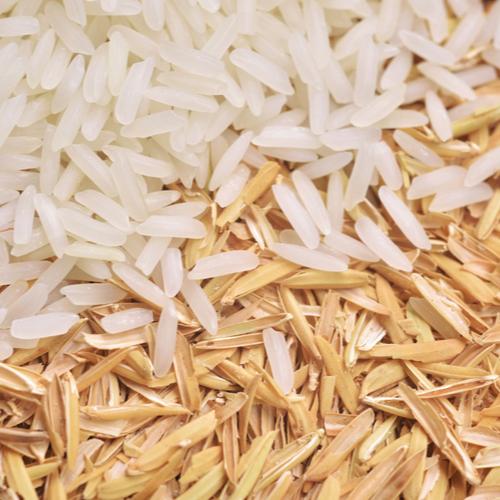
According to the World Health Organization, India has nine of the top 10 cities with the highest air pollution in the world, partially due to agricultural waste burnt by farmers in the field, rice husks in particular, which are a major food source for the country.

Prof Bruno’s research focuses on developing high temperature, electrically charged thermal energy storage (ECTES) which can provide heated air for drying, replacing fossil fuels.

Previous studies show that this system, driven by solar PV, can meet more than 80 per cent of energy requirements at half the cost of LPG.

The technology will not only cut air pollution and agricultural waste landfill, but also reduce food manufacturers’ costs, Prof Bruno says.

“Shifting towards this solution will undoubtedly result in significant amounts of biomass which can then be converted into high-value renewable biofuels,” Prof Bruno says.

The project will build on existing research on high temperature ECTES being undertaken by Prof Bruno and his team at UniSA’s Mawson Lakes Campus, as well as a current project to improve the shelf life of milk.

###

Notes for Editors

The AISRF is Australia’s largest fund dedicated to bilateral science collaboration. It helps build links between Australia and India’s top universities and research institutions.

Media Contact
Candy Gibson
[email protected]

Original Source

https://www.unisa.edu.au/Media-Centre/Releases/2020/thermal-energy-storage-the-key-to-reducing-agricultural-food-pollution/

Tags: Agricultural Production/EconomicsAgricultureEnergy SourcesFood/Food Science
Share12Tweet8Share2ShareShareShare2

Related Posts

Miniature Sensor Uses Light to Detect Touch — Chemistry

Miniature Sensor Uses Light to Detect Touch

May 8, 2026
Iron Minerals Determine Whether Dissolved Organic Matter Fuels Microbes or Becomes Long-Term Carbon Storage — Chemistry

Iron Minerals Determine Whether Dissolved Organic Matter Fuels Microbes or Becomes Long-Term Carbon Storage

May 8, 2026

Kate Evans Appointed Associate Lab Director for Biological and Environmental Systems Science at ORNL

May 8, 2026

Advancing Multiscale Modeling and Overcoming Operational Challenges in Autothermal COâ‚‚-to-Methanol Reactors

May 8, 2026
Please login to join discussion

POPULAR NEWS

  • Research Indicates Potential Connection Between Prenatal Medication Exposure and Elevated Autism Risk

    840 shares
    Share 336 Tweet 210
  • New Study Reveals Plants Can Detect the Sound of Rain

    728 shares
    Share 290 Tweet 182
  • Salmonella Haem Blocks Macrophages, Boosts Infection

    62 shares
    Share 25 Tweet 16
  • Breastmilk Balances E. coli and Beneficial Bacteria in Infant Gut Microbiomes

    57 shares
    Share 23 Tweet 14

About

We bring you the latest biotechnology news from best research centers and universities around the world. Check our website.

Follow us

Recent News

Mapping Skin Lesions in Lupus Types Explored

Umbilical IL-6 Levels Reveal Preterm Brain Injury Risk

New Cell Model Accelerates Rhinovirus C Research

Subscribe to Blog via Email

Enter your email address to subscribe to this blog and receive notifications of new posts by email.

Join 82 other subscribers
  • Contact Us

Bioengineer.org © Copyright 2023 All Rights Reserved.

Welcome Back!

Login to your account below

Forgotten Password?

Retrieve your password

Please enter your username or email address to reset your password.

Log In
No Result
View All Result
  • Homepages
    • Home Page 1
    • Home Page 2
  • News
  • National
  • Business
  • Health
  • Lifestyle
  • Science

Bioengineer.org © Copyright 2023 All Rights Reserved.