• HOME
  • NEWS
  • EXPLORE
    • CAREER
      • Companies
      • Jobs
    • EVENTS
    • iGEM
      • News
      • Team
    • PHOTOS
    • VIDEO
    • WIKI
  • BLOG
  • COMMUNITY
    • FACEBOOK
    • INSTAGRAM
    • TWITTER
Sunday, May 17, 2026
BIOENGINEER.ORG
No Result
View All Result
  • Login
  • HOME
  • NEWS
  • EXPLORE
    • CAREER
      • Companies
      • Jobs
        • Lecturer
        • PhD Studentship
        • Postdoc
        • Research Assistant
    • EVENTS
    • iGEM
      • News
      • Team
    • PHOTOS
    • VIDEO
    • WIKI
  • BLOG
  • COMMUNITY
    • FACEBOOK
    • INSTAGRAM
    • TWITTER
  • HOME
  • NEWS
  • EXPLORE
    • CAREER
      • Companies
      • Jobs
        • Lecturer
        • PhD Studentship
        • Postdoc
        • Research Assistant
    • EVENTS
    • iGEM
      • News
      • Team
    • PHOTOS
    • VIDEO
    • WIKI
  • BLOG
  • COMMUNITY
    • FACEBOOK
    • INSTAGRAM
    • TWITTER
No Result
View All Result
Bioengineer.org
No Result
View All Result
Home NEWS Science News Biology

The scientists found out, that bats are transmitters of infections dangerous for humans

Bioengineer by Bioengineer
February 12, 2018
in Biology
Reading Time: 2 mins read
2
Share on FacebookShare on TwitterShare on LinkedinShare on RedditShare on Telegram
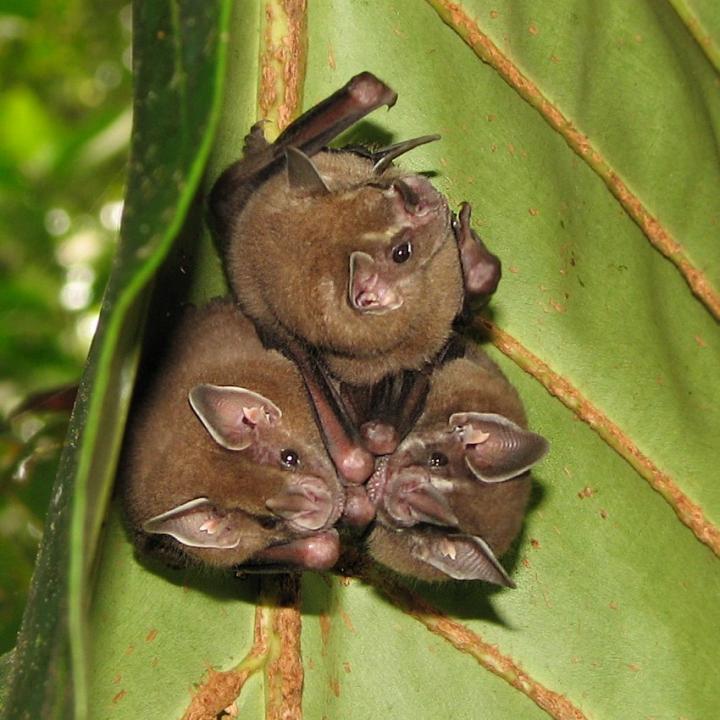
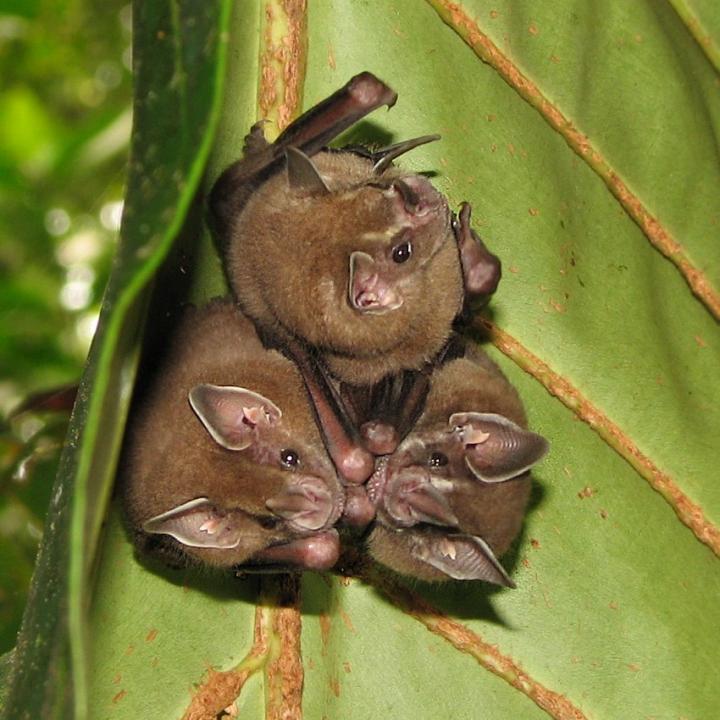
IMAGE

The zoologist of Tomsk State UniversityMaria Orlova participates in an international research project dedicated to parasites fauna of bats of Mexico and the Antilles. The scientists proved, that both parasites and bats can act as the transmitter of infections, dangerous for human.

The scientific community commonly believes that the group of bats is ecologically isolated from the rest of the vertebrates. That is why bats for a long time were not considered as the transmitter of dangerous infections which was a reason why scientists did not study their parasites. The international research team (USA, Mexico, and Russia) is focused on studying a role of bats and their parasites in the circulation of dangerous natural focal infections in the territory of Central America and particularly in the territory of Antilles archipelago, where tourism is developed.

One of the most important goals of the research is find out which infections are transmitted by the present mammals and their parasites and whether human infection is possible. Antilles are tropics and a habitat of many bats species (bat are originally a tropical mammal), and a significant number of species of their parasites. Both were tested for any infections – said Maria Orlova, a postdoc of the TSU Laboratory for Biodiversity Monitoring.

Common opinion about the isolation of bats in the tropics is changing, since we can observe that they are closely interconnected between different groups of animals. Bats tend to inhabit human-made shelters, which makes their direct contact with people possible. In the wild they neighbor, exchange parasites, and infections with rodents, many of which always follow people: it means that transmission of infections is possible through this link as well.

'The samples from the bats contained gamasid mites. They are common for rodents, which indicates cohabitation', says Maria. 'In Siberia such findings are extremely rare, but the warmer the climate, the closer the contact between bats and rodents. Cases of parasites exchange become more frequent, so the probability of contagion grows.' The infection cycle may include not only specific mites, but for example mosquitoes (human-biting as well), which is another opportunity to 'deliver' the infection to humans.

Thus, listing the infections and studying ways of their transmission becomes very urgent: for instance, the researchers in this project found causative bacteria of such genera as Bartonella, Ehrlichia, and Rickettsia, and also nematode of the Litomosoides genus in the tissue and parasites of bats. Those are infections that may threaten people as well.

Most parasites common for bats are harmless for people as they do not attack us, but our research proves that these mites may spread the disease among small mammals which in their turn may transmit the infection to people. 'This is why it is absolutely necessary to study gamasid mites', concludes Maria.

###

Media Contact

Tatiana Arsenyeva
[email protected]

http://tsu.ru

Share12Tweet8Share2ShareShareShare2

Related Posts

Uncovering C. elegans Immunity via Genetic Screens — Biology

Uncovering C. elegans Immunity via Genetic Screens

May 16, 2026
Single mother must adapt swiftly — the survival of her colony depends on it — Biology

Single mother must adapt swiftly — the survival of her colony depends on it

May 15, 2026

Why Are Nearly Everyone Right-Handed? It Might Be Linked to How We Learned to Walk

May 15, 2026

Excessive Neuronal Activity Initiates Severe Autoimmune Brain Disorder

May 15, 2026
Please login to join discussion

POPULAR NEWS

  • Research Indicates Potential Connection Between Prenatal Medication Exposure and Elevated Autism Risk

    844 shares
    Share 338 Tweet 211
  • New Study Reveals Plants Can Detect the Sound of Rain

    730 shares
    Share 291 Tweet 182
  • Salmonella Haem Blocks Macrophages, Boosts Infection

    62 shares
    Share 25 Tweet 16
  • Breastmilk Balances E. coli and Beneficial Bacteria in Infant Gut Microbiomes

    58 shares
    Share 23 Tweet 15

About

We bring you the latest biotechnology news from best research centers and universities around the world. Check our website.

Follow us

Recent News

Detecting Illicit Bitcoin Transactions with Temporal Graph Learning

New Study Reveals the Massive Economic Impact of Tuberculosis

Age Discrimination Affects Healthcare Use in India

Subscribe to Blog via Email

Enter your email address to subscribe to this blog and receive notifications of new posts by email.

Join 82 other subscribers
  • Contact Us

Bioengineer.org © Copyright 2023 All Rights Reserved.

Welcome Back!

Login to your account below

Forgotten Password?

Retrieve your password

Please enter your username or email address to reset your password.

Log In
No Result
View All Result
  • Homepages
    • Home Page 1
    • Home Page 2
  • News
  • National
  • Business
  • Health
  • Lifestyle
  • Science

Bioengineer.org © Copyright 2023 All Rights Reserved.