• HOME
  • NEWS
  • EXPLORE
    • CAREER
      • Companies
      • Jobs
    • EVENTS
    • iGEM
      • News
      • Team
    • PHOTOS
    • VIDEO
    • WIKI
  • BLOG
  • COMMUNITY
    • FACEBOOK
    • INSTAGRAM
    • TWITTER
Tuesday, July 14, 2026
BIOENGINEER.ORG
No Result
View All Result
  • Login
  • HOME
  • NEWS
  • EXPLORE
    • CAREER
      • Companies
      • Jobs
        • Lecturer
        • PhD Studentship
        • Postdoc
        • Research Assistant
    • EVENTS
    • iGEM
      • News
      • Team
    • PHOTOS
    • VIDEO
    • WIKI
  • BLOG
  • COMMUNITY
    • FACEBOOK
    • INSTAGRAM
    • TWITTER
  • HOME
  • NEWS
  • EXPLORE
    • CAREER
      • Companies
      • Jobs
        • Lecturer
        • PhD Studentship
        • Postdoc
        • Research Assistant
    • EVENTS
    • iGEM
      • News
      • Team
    • PHOTOS
    • VIDEO
    • WIKI
  • BLOG
  • COMMUNITY
    • FACEBOOK
    • INSTAGRAM
    • TWITTER
No Result
View All Result
Bioengineer.org
No Result
View All Result
Home NEWS Science News Biology

The neurons that connect stress, insomnia, and the immune system

Bioengineer by Bioengineer
September 9, 2020
in Biology
Reading Time: 2 mins read
0
IMAGE
Share on FacebookShare on TwitterShare on LinkedinShare on RedditShare on Telegram

IMAGE

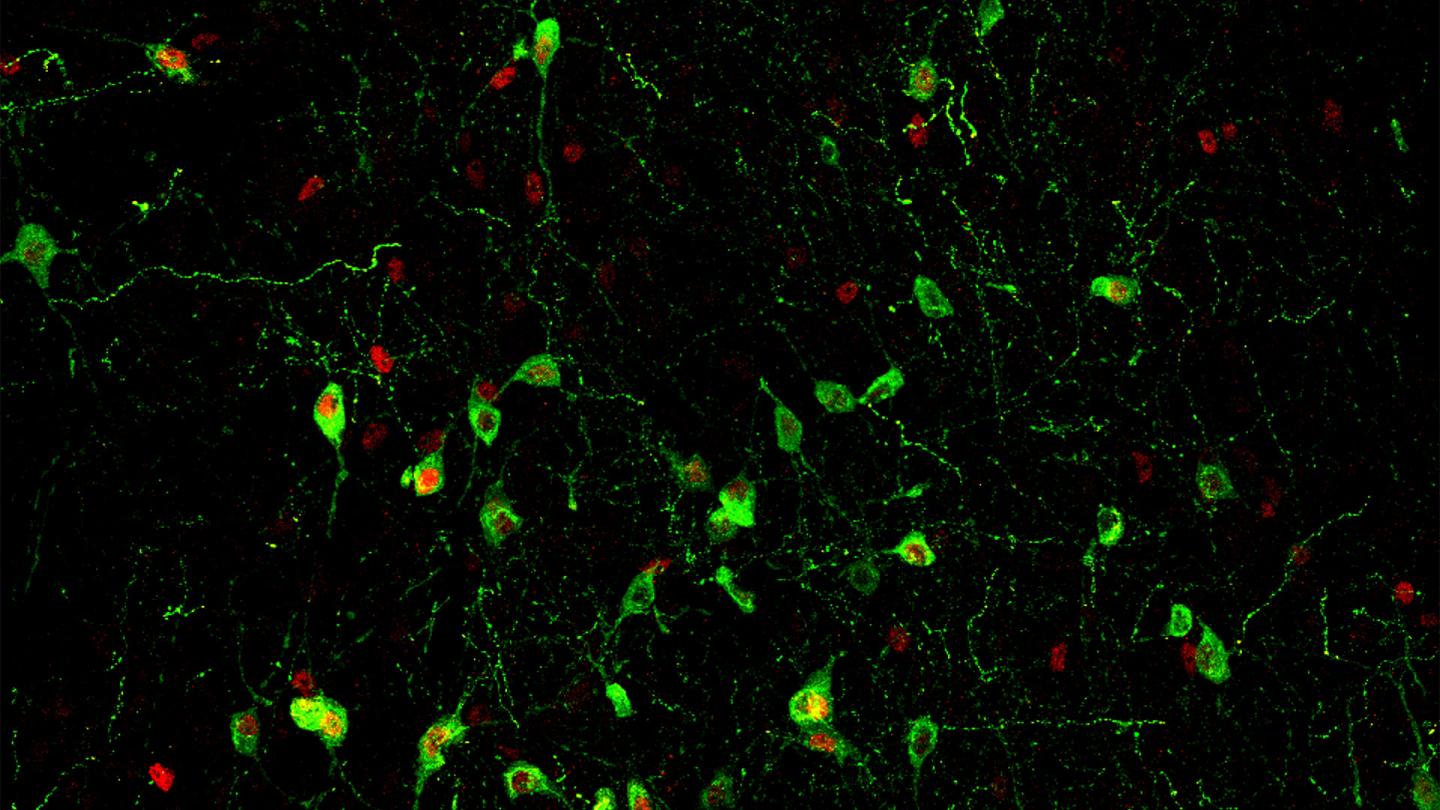
Credit: Jeremy Boringer

Scientists at Cold Spring Harbor Laboratory (CSHL) and Stanford University have pinpointed the circuit in the brain that is responsible for sleepless nights in times of stress–and it turns out that circuit does more than make you toss and turn. Their study, done in mice, ties the same neuronal connections that trigger insomnia to stress-induced changes in the immune system, which weaken the body’s defenses against a host of threats.

The study, reported September 9, 2020, in the journal Science Advances, connects and explains two familiar problems, says CSHL Assistant Professor Jeremy Borniger. “This sort of stress-induced insomnia is well known among anybody that’s tried to get to sleep with a looming deadline or something the next day,” he says. “And in the clinical world, it’s been known for a long time that chronically stressed patients typically do worse on a variety of different treatments and across a variety of different diseases.”

Like many aspects of the body’s stress response, these effects are thought to be driven by the stress hormone cortisol. Working in the Stanford lab of Luis de Lecea, where Borniger completed a postdoctoral fellowship prior to joining CSHL, the research team found a direct connection between stress-sensitive neurons in the brain that trigger cortisol’s release and nearby neurons that promote insomnia.

In mice, they found that signals from the hormone-releasing brain cells have a strong effect on the insomnia-inducing neurons. Interfering with that connection enabled mice to sleep peacefully even after being exposed to a stressful situation, whereas artificial simulation of the stress-sensitive cells instantly roused slumbering animals. “It seems like it’s a pretty sensitive switch, in that even very weak stimulation of the circuit can drive insomnia,” says Borniger.

The same connection, they found, also has a potent effect on the immune system. Stress significantly disrupts the abundance of certain immune cells in the blood, as well signaling pathways inside them, and the team was able to recreate these changes simply by stimulating the same neurons that link stress to insomnia.

Understanding this circuitry opens the door to a deeper understanding of the consequences of stress, not just in healthy individuals but also in disease, Borniger says:

“I’m really interested in how we can manipulate distinct circuits in the brain to control not just the immune system at baseline, but in disease states like inflammatory bowel disease or in cancer or in psoriasis–things that are associated with systemic inflammation. Because if we can understand and manipulate the immune system using the natural circuitry in the body rather than using a drug that hits certain targets within the system, I think that would be much more effective in the long run, because it just co-opts the natural circuits in the body.”

###

Media Contact
Sara Roncero-Menendez
[email protected]

Tags: BiologyImmunology/Allergies/AsthmaMedicine/HealthneurobiologySleep/Sleep DisordersStress/Anxiety
Share13Tweet8Share2ShareShareShare2

Related Posts

Enhancing bacteria to accelerate environmental cleanup processes

Enhancing bacteria to accelerate environmental cleanup processes

July 14, 2026
New Insights into Immune Checkpoints’ Role in Controlling Inflammation

New Insights into Immune Checkpoints’ Role in Controlling Inflammation

July 14, 2026

UMA Scientists Enhance Morphine’s Pain-Relief Effectiveness

July 14, 2026

Adolescent Brain Responses to Faces Could Forecast Social Development

July 13, 2026
Please login to join discussion

POPULAR NEWS

  • New Drug Candidate Developed at McMaster Shows Potential for Treating Brain Cancer

    58 shares
    Share 23 Tweet 15
  • Detection of EDCs in Breast Milk and Infant Urine Up to Six Months Highlights Early Exposure Risks

    77 shares
    Share 31 Tweet 19
  • Experimental Therapy Simultaneously Destroys Prostate Tumor Cells and Reactivates Antitumor Immunity

    46 shares
    Share 18 Tweet 12
  • 高齢者の骨粗鬆症治療の持続性比較

    51 shares
    Share 20 Tweet 13

About

We bring you the latest biotechnology news from best research centers and universities around the world. Check our website.

Follow us

Recent News

Europe advances integrated charging and energy systems for optimal V2G deployment

Ethics Framework Proposed for Perioperative-Neonatal Care in Open Fetal Surgery

Osteoclasts Trigger DCC Loop Causing Chronic Low Back Pain in Mice

Subscribe to Blog via Email

Enter your email address to subscribe to this blog and receive notifications of new posts by email.

Join 85 other subscribers
  • Contact Us

Bioengineer.org © Copyright 2023 All Rights Reserved.

Welcome Back!

Login to your account below

Forgotten Password?

Retrieve your password

Please enter your username or email address to reset your password.

Log In
No Result
View All Result
  • Homepages
    • Home Page 1
    • Home Page 2
  • News
  • National
  • Business
  • Health
  • Lifestyle
  • Science

Bioengineer.org © Copyright 2023 All Rights Reserved.