• HOME
  • NEWS
  • EXPLORE
    • CAREER
      • Companies
      • Jobs
    • EVENTS
    • iGEM
      • News
      • Team
    • PHOTOS
    • VIDEO
    • WIKI
  • BLOG
  • COMMUNITY
    • FACEBOOK
    • INSTAGRAM
    • TWITTER
Wednesday, October 7, 2026
BIOENGINEER.ORG
No Result
View All Result
  • Login
  • HOME
  • NEWS
  • EXPLORE
    • CAREER
      • Companies
      • Jobs
        • Lecturer
        • PhD Studentship
        • Postdoc
        • Research Assistant
    • EVENTS
    • iGEM
      • News
      • Team
    • PHOTOS
    • VIDEO
    • WIKI
  • BLOG
  • COMMUNITY
    • FACEBOOK
    • INSTAGRAM
    • TWITTER
  • HOME
  • NEWS
  • EXPLORE
    • CAREER
      • Companies
      • Jobs
        • Lecturer
        • PhD Studentship
        • Postdoc
        • Research Assistant
    • EVENTS
    • iGEM
      • News
      • Team
    • PHOTOS
    • VIDEO
    • WIKI
  • BLOG
  • COMMUNITY
    • FACEBOOK
    • INSTAGRAM
    • TWITTER
No Result
View All Result
Bioengineer.org
No Result
View All Result
Home NEWS Science News Biology

The landscapes we are familiar with are disappearing due to the changing climate

Bioengineer by Bioengineer
September 18, 2019
in Biology
Reading Time: 2 mins read
0
IMAGE
Share on FacebookShare on TwitterShare on LinkedinShare on RedditShare on Telegram

IMAGE

Credit: Tallinn University

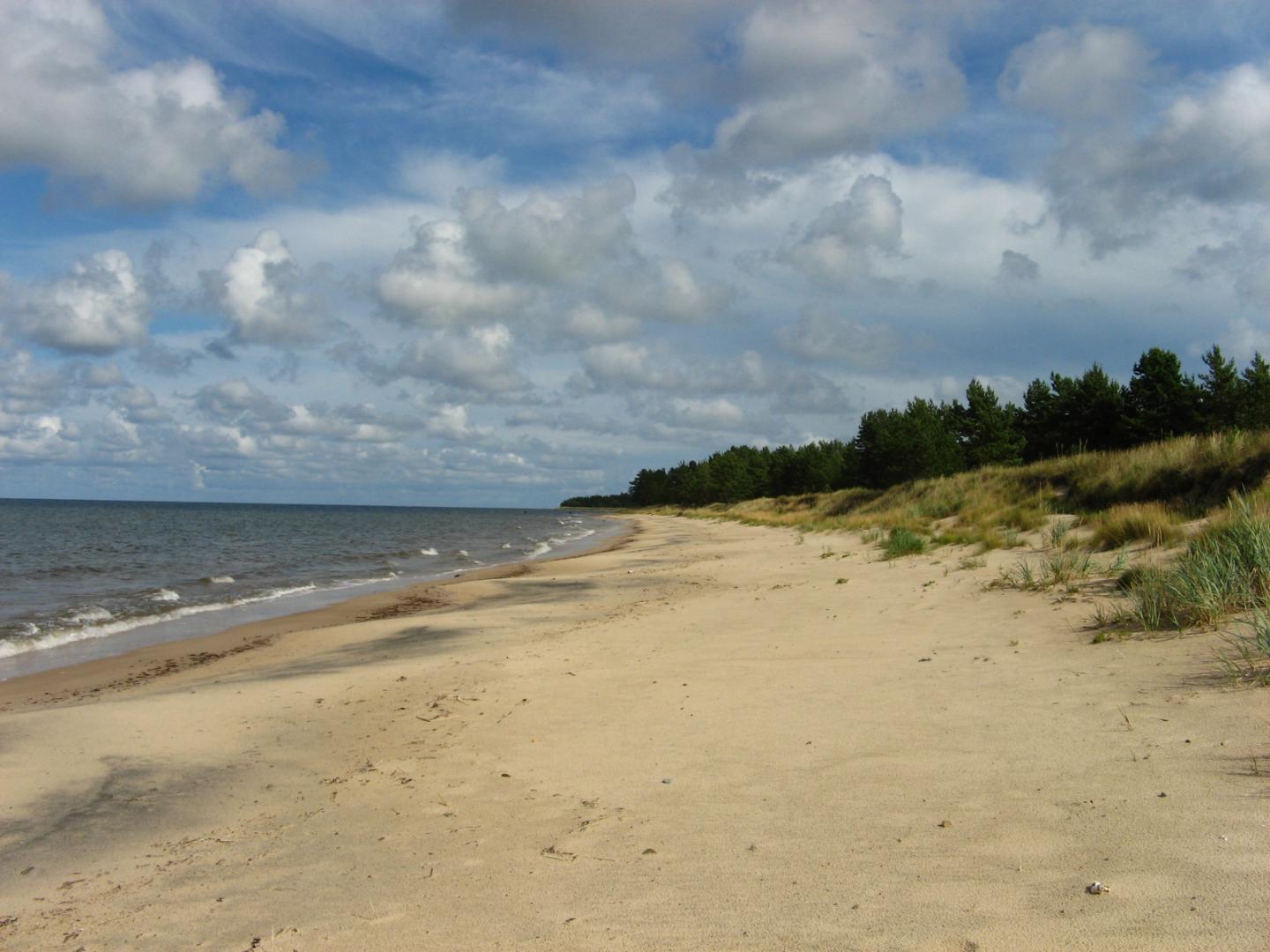
Agnes Anderson, doctoral student of the School of Natural Sciences and Health of Tallinn University, recently defended her doctoral dissertation, in which she explores how the changing climate and human influence change the aeolian coastal dune landscapes. The dissertation concluded that the coastal dune landscapes are losing their distinctive features and diversity due to those influences.

The most dynamic, fragile, and attractive part of the coastal zone is characterised by the aeolian coastal dune landscapes, which extend over a 200 km² area in Estonia. Their formation is mostly determined by climate, sediments, and vegetation, which affect the movement of sand and the formation of dunes.

The author of the dissertation focused her investigation on three regions of Western Estonia: Tahkuna peninsula on Hiiumaa, the Keibu Bay area, and Ruhnu Island.

According to Agnes Anderson, the author of the dissertation, the aeolian coastal dune landscapes of the studied regions show similar trends. Their diversity is diminishing, which can be seen in the narrowing of beaches and the more forceful erosion of foredunes. ‘The landscapes are becoming afforested and the distinctive ‘familiar’ open terrain is disappearing, diminishing the attractiveness,’ she explains.

The dissertation concluded that the development dynamics of the seaward parts of the aeolian coastal dune landscapes are mainly affected by wave activity, sea-level fluctuations, and storms. They can cause rapid changes even within a few hours and depress the dynamics and development of the terrain. With the accumulation of sediments, nature is given an opportunity to create new coastal dune landscapes, distinguished by habitats characteristic of the area.

According to the author of the dissertation, unexpected factors affecting the environment, such as forest fires or blowdowns, are also important in shaping coastal landscapes. ‘The changes caused by disruptions last for decades in landscapes and recovery is a lengthy process,’ Anderson adds.

Human influence can be seen mainly on the landward side, stretching from foredunes to the afforested dunes. Anderson explains that the changes are predominantly caused by trampling, which has left a mark on distinctive habitats, such as white and grey dunes, and trampling-sensitive dune forests.

The dunes Anderson studied consisted mainly of coarser sands, contradicting earlier research and raising the question of dune formation conditions.

As part of her doctoral dissertation, the author also modelled coastal dune landscape development scenarios, which allow stakeholders to better understand the future development of these areas and implement more effective management plans for landscape protection.

The doctoral dissertation of Agnes Anderson, doctoral student of the School of Natural Sciences and Health of Tallinn University, is titled ‘Development of aeolian coastal dune landscapes in changing climate and under human influence in Estonia’.

Public defence of the dissertation was held on 28 August.

###

Media Contact
Kertu Kula
[email protected]

Tags: Biology
Share12Tweet8Share2ShareShareShare2

Related Posts

AI Meets Nature: Massive Study Maps Biomimetic Research and Exposes a Surprising Energy Gap

AI Meets Nature: Massive Study Maps Biomimetic Research and Exposes a Surprising Energy Gap

October 6, 2026
Human Density, Not Climate, Drives Rodent-Borne Hemorrhagic Fever Risk in Southwest China

Human Density, Not Climate, Drives Rodent-Borne Hemorrhagic Fever Risk in Southwest China

October 6, 2026

Hidden Protein Networks Emerge as Central Players in Huntington’s Disease

October 6, 2026

Hibernating Squirrels Hold Clues to Diabetes and Muscle Loss in New NIH-Funded Study

October 6, 2026
Please login to join discussion

POPULAR NEWS

  • Alloys That Shrink Their Own Grains: New PIX Mechanism Refines Metals With Heat Alone

    Alloys That Shrink Their Own Grains: New PIX Mechanism Refines Metals With Heat Alone

    29 shares
    Share 12 Tweet 7
  • Endurance Exercise Reshapes the Liver in Males and Females Through Distinct Molecular Routes

    29 shares
    Share 12 Tweet 7
  • Single Transcription Factor PU.1 Rapidly Converts Fibroblasts into Macrophage-Lineage Cells

    29 shares
    Share 12 Tweet 7
  • New Scale Measures How Ready Nurse Educators Really Are for the AI Era

    29 shares
    Share 12 Tweet 7

About

We bring you the latest biotechnology news from best research centers and universities around the world. Check our website.

Follow us

Recent News

Alloys That Shrink Their Own Grains: New PIX Mechanism Refines Metals With Heat Alone

Endurance Exercise Reshapes the Liver in Males and Females Through Distinct Molecular Routes

Single Transcription Factor PU.1 Rapidly Converts Fibroblasts into Macrophage-Lineage Cells

Subscribe to Blog via Email

Success! An email was just sent to confirm your subscription. Please find the email now and click 'Confirm' to start subscribing.

Join 85 other subscribers
  • Contact Us

Bioengineer.org Ā© Copyright 2023 All Rights Reserved.

Welcome Back!

Login to your account below

Forgotten Password?

Retrieve your password

Please enter your username or email address to reset your password.

Log In
No Result
View All Result
  • Homepages
    • Home Page 1
    • Home Page 2
  • News
  • National
  • Business
  • Health
  • Lifestyle
  • Science

Bioengineer.org Ā© Copyright 2023 All Rights Reserved.