• HOME
  • NEWS
  • EXPLORE
    • CAREER
      • Companies
      • Jobs
    • EVENTS
    • iGEM
      • News
      • Team
    • PHOTOS
    • VIDEO
    • WIKI
  • BLOG
  • COMMUNITY
    • FACEBOOK
    • INSTAGRAM
    • TWITTER
Monday, May 11, 2026
BIOENGINEER.ORG
No Result
View All Result
  • Login
  • HOME
  • NEWS
  • EXPLORE
    • CAREER
      • Companies
      • Jobs
        • Lecturer
        • PhD Studentship
        • Postdoc
        • Research Assistant
    • EVENTS
    • iGEM
      • News
      • Team
    • PHOTOS
    • VIDEO
    • WIKI
  • BLOG
  • COMMUNITY
    • FACEBOOK
    • INSTAGRAM
    • TWITTER
  • HOME
  • NEWS
  • EXPLORE
    • CAREER
      • Companies
      • Jobs
        • Lecturer
        • PhD Studentship
        • Postdoc
        • Research Assistant
    • EVENTS
    • iGEM
      • News
      • Team
    • PHOTOS
    • VIDEO
    • WIKI
  • BLOG
  • COMMUNITY
    • FACEBOOK
    • INSTAGRAM
    • TWITTER
No Result
View All Result
Bioengineer.org
No Result
View All Result
Home NEWS Science News Biology

The butterfly effect: Climate change could cause decline of some alpine butterfly species

Bioengineer by Bioengineer
May 12, 2020
in Biology
Reading Time: 2 mins read
0
IMAGE
Share on FacebookShare on TwitterShare on LinkedinShare on RedditShare on Telegram

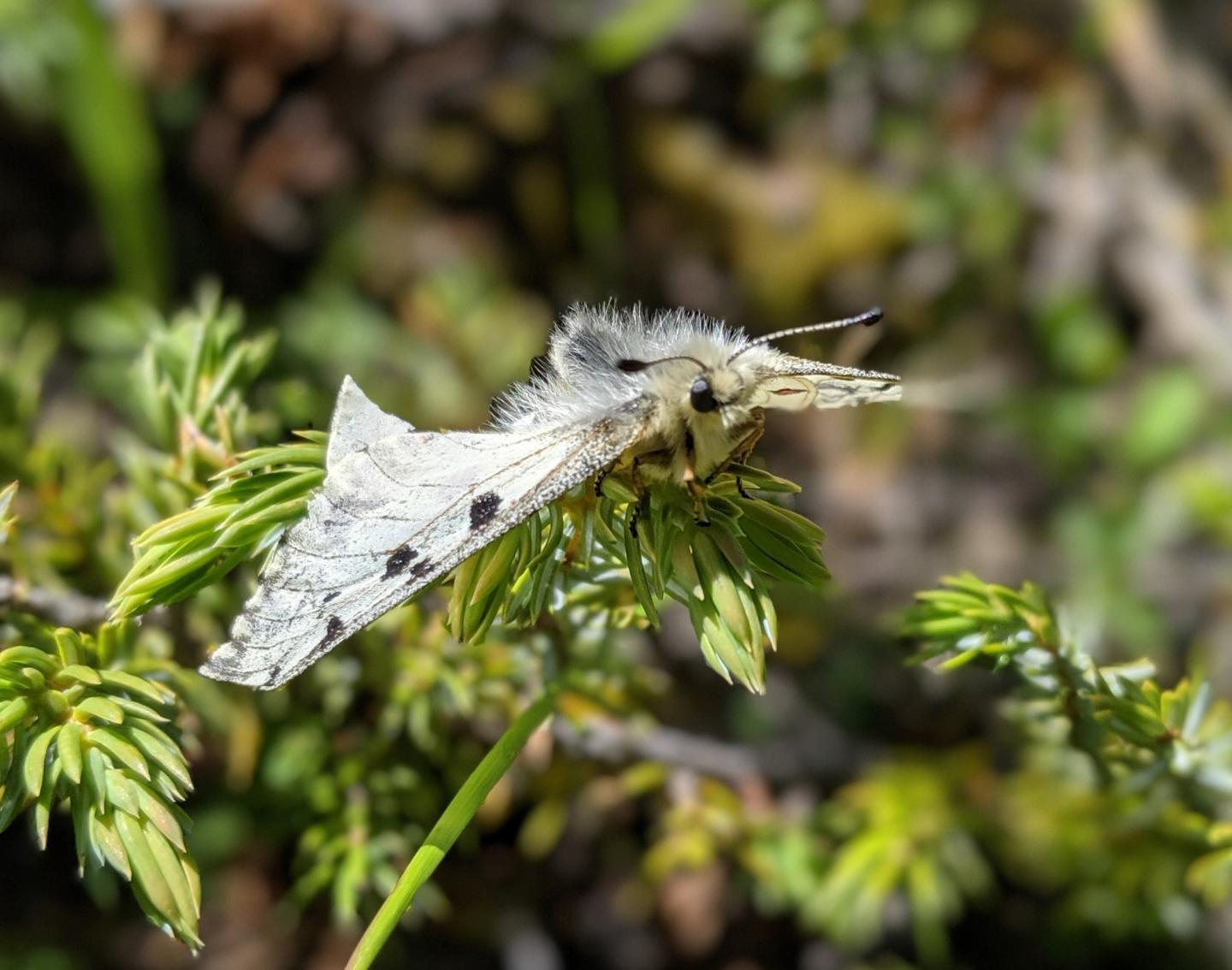
Study examines downstream effects of climate change on alpine butterfly populations in North America
IMAGE

Credit: Alessandro Filazzola.

The long-term effects of climate change suggests that the butterfly effect is at work on butterflies in the alpine regions of North America, according to a new study by University of Alberta scientists–and the predictions don’t bode well.

“We often frame the effects of climate change directly onto a species as the future becoming either too hot, too dry, or too wet,” explained Alessandro Filazzola, postdoctoral fellow in the Faculty of Science Department of Biological Sciences and lead author on the study. “However, climate change can have indirect effects such as through the food resources of a species. These effects are more likely to affect butterflies, because as caterpillars they often feed on one or a few plant species.”

The researchers used climate change models to understand the effects of changing ecosystems on alpine butterflies in North America. The results show that alpine butterflies who have specialized diets, meaning that they feed on one or a few plants, are more vulnerable to climate change because of fluctuations in their food. On the other hand, butterflies that have diverse diets are less likely to be affected.

“The main outcome from this study is our improved ability to quantify the complex effects of climate change on ecosystems,” said Filazzola, who conducted this work under the supervision of Professors Jens Roland and JC Cahill. “Understanding the effects of climate change on a species through its food items is very important for biological conservation–climate change is likely going to have complex effects that extend beyond single species mortality.”

Models like the one used in this study provide a more holistic approach to understanding the way that a changing climate could affect entire ecosystems. “Using an approach that looks at the ecosystem level would improve our ability to mitigate biodiversity loss and maintain the delivery of ecosystem services such as pollination,” added Filazzola.

###

This research was conducted in collaboration with Stephen F. Matter, adjunct professor at UAlberta and faculty member at University of Cincinnati. Funding was provided by the Natural Sciences and Engineering Research Council of Canada (NSERC) and the Killam Trusts.

The paper, “Inclusion of trophic interactions increases the vulnerability of an alpine butterfly species to climate change,” was published in Global Change Biology (doi: 10.1111/gcb.15068).

Media Contact
Katie Willis
[email protected]

Original Source

https://www.ualberta.ca/science/news/2020/may/climate-change-butterflies.html

Related Journal Article

http://dx.doi.org/10.1111/gcb.15068

Tags: BiodiversityBiologyClimate ChangeEntomology
Share12Tweet8Share2ShareShareShare2

Related Posts

CRISPRi Screening Identifies Fungal-Specific Drug Targets — Biology

CRISPRi Screening Identifies Fungal-Specific Drug Targets

May 11, 2026
Transforming Jellyfish Bycatch into a Valuable Collagen Source for Cosmetics and Biotechnology — Biology

Transforming Jellyfish Bycatch into a Valuable Collagen Source for Cosmetics and Biotechnology

May 11, 2026

Ancient Plant Populations Reveal Fresh Insights into Climate Resilience

May 8, 2026

Rare Brain Disorders in Children Linked to Mutations in Lesser-Known Protein Complex

May 8, 2026
Please login to join discussion

POPULAR NEWS

  • Research Indicates Potential Connection Between Prenatal Medication Exposure and Elevated Autism Risk

    841 shares
    Share 336 Tweet 210
  • New Study Reveals Plants Can Detect the Sound of Rain

    728 shares
    Share 290 Tweet 182
  • Salmonella Haem Blocks Macrophages, Boosts Infection

    62 shares
    Share 25 Tweet 16
  • Breastmilk Balances E. coli and Beneficial Bacteria in Infant Gut Microbiomes

    57 shares
    Share 23 Tweet 14

About

We bring you the latest biotechnology news from best research centers and universities around the world. Check our website.

Follow us

Recent News

Global City Growth Decouples from Fossil Fuels

ACAD8 Deficiency Drives Cardiac Hypertrophy via Histone Modification

CRISPRi Screening Identifies Fungal-Specific Drug Targets

Subscribe to Blog via Email

Enter your email address to subscribe to this blog and receive notifications of new posts by email.

Join 82 other subscribers
  • Contact Us

Bioengineer.org © Copyright 2023 All Rights Reserved.

Welcome Back!

Login to your account below

Forgotten Password?

Retrieve your password

Please enter your username or email address to reset your password.

Log In
No Result
View All Result
  • Homepages
    • Home Page 1
    • Home Page 2
  • News
  • National
  • Business
  • Health
  • Lifestyle
  • Science

Bioengineer.org © Copyright 2023 All Rights Reserved.