


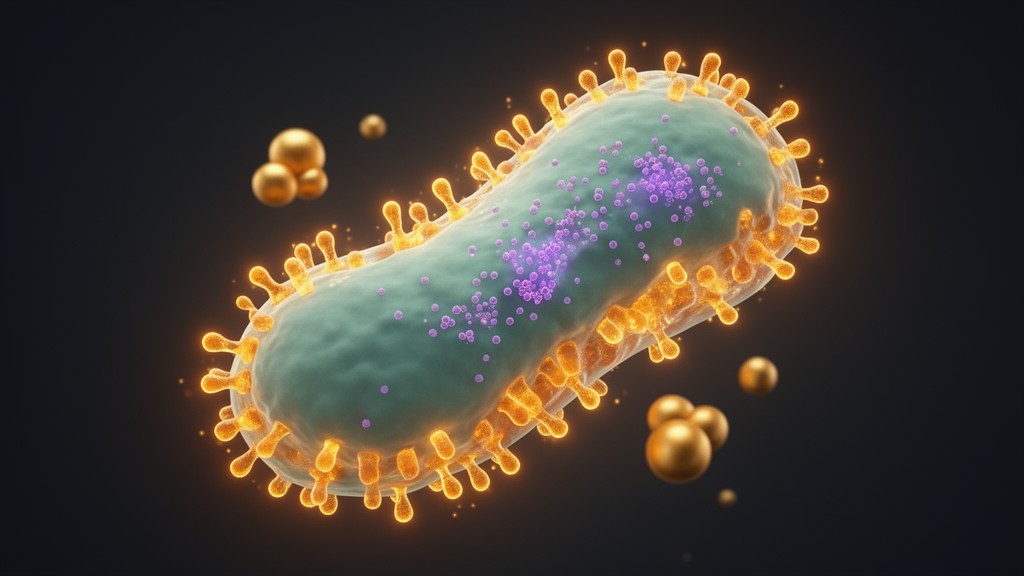
Potassium channels called TALK-1 and TALK-2 are stepping out of the shadow of the famous ATP-sensitive K+ channel, long the centerpiece of how pancreatic β-cells translate blood sugar into insulin release. In a Mini Review published in Frontiers in Pharmacology on 30 October 2026, Anjas Happy Prayoga and Dawon Kang of Gyeongsang National University argue that these two-pore-domain K+ channels shape β-cell electrical activity, endoplasmic reticulum calcium storage and insulin secretion in ways that KATP channels alone cannot explain. The authors integrate genetic, mechanistic and pharmacological evidence, and they are careful to separate what has been established in cells and animal models from what remains unproven for treating diabetes.
The clinical stakes are high. Non-communicable diseases, including diabetes, accounted for at least 43 million deaths worldwide in 2021, and an estimated 830 million people were living with diabetes in 2022. Maintaining glycemic control remains difficult: in the GRADE trial, glycemic deterioration was common over a mean follow-up of five years despite the addition of glucose-lowering therapies to metformin in people with type 2 diabetes. Those challenges, the reviewers write, motivate a closer look at the cellular machinery governing β-cell function, and TALK channels have emerged as candidates that act both at the plasma membrane and inside the cell.
TALK-1, encoded by KCNK16, and TALK-2, encoded by KCNK17, belong to the two-pore-domain potassium channel family. Both are activated by alkaline conditions and were initially identified through their prominent expression in the human pancreas. An early in situ hybridization study detected both transcripts in acinar cells but not in islets, yet subsequent work established functional TALK-1 expression in mouse and human β-cells and TALK-2 expression and function in human β-cells. That species split matters: KCNK17 is absent from the rodent genome, so conventional mouse models cannot be used to study TALK-2 physiology, leaving human islets as the essential experimental system.
The biophysical details are striking. In transfected COS-7 cells, TALK-1 and TALK-2 showed single-channel conductances of roughly 21 and 33 picosiemens, respectively, at −60 millivolts in symmetrical 150 millimolar KCl. Extracellular pH modulated TALK-1 activity across pH 6 to 10, while TALK-2 responded mainly between pH 7 and 10, with changes in opening frequency driving the shifts. The reviewers stress that these measurements define channel behavior under specified recording conditions rather than the size of native β-cell currents. They also note that TALK-1 and TALK-2 can assemble into functional heterodimers, and that association between endogenous subunits has been detected in human EndoC-βH5 cells, a heteromerization that shifts TALK-2-containing channels toward responsiveness to alkalinization within the physiological range. Whether physiological pH changes actually regulate secretion through TALK channels in intact islets remains unresolved.
At the plasma membrane, TALK-1 contributes to the K+ conductance that persists as glucose metabolism closes KATP channels and initiates depolarization. In mouse islets, deleting TALK-1 increased electrical excitability, calcium influx and second-phase glucose-stimulated insulin secretion, showing that the channel helps sculpt the electrical and calcium-dependent secretory response that follows the initial glucose-induced depolarization. Mechanistically, changes in channel opening alter the background K+ conductance that opposes depolarization, thereby influencing the calcium entry that triggers insulin granule release.
Inside the cell, the story turns to the endoplasmic reticulum. Nuclear-envelope recordings and calcium measurements support a model in which ER-localized TALK-1 provides a potassium countercurrent that compensates for the charge imbalance generated as calcium leaves the ER, allowing continued calcium release without TALK-1 itself conducting calcium. Loss of TALK-1 reduced ER calcium leak and increased ER calcium stores, and islets from knockout mice showed reduced expression of ER stress-associated genes after prolonged high-fat feeding. Human β-cell studies reveal a parallel role for TALK-2: knockdown reduced ER TALK-2-like channel activity and increased ER calcium storage. In human pseudoislets, β-cell-specific TALK-2 knockdown lowered basal insulin release and increased the glucose-stimulated secretory response relative to baseline, while whole-cell K2P currents were not significantly altered under the tested conditions. The reviewers emphasize that the steps linking altered ER calcium handling to these distinct basal and glucose-stimulated responses remain to be fully resolved.
Human genetics supplies the strongest direct evidence for pathogenic relevance. The rare KCNK16 p.L114P gain-of-function variant was identified in a family with maturity-onset diabetes of the young, and functional studies showed increased TALK-1 conductance, impaired glucose-induced depolarization and calcium entry, reduced ER calcium storage and diminished insulin secretion in experimental islet preparations. Mice carrying the corresponding variant developed neonatal hyperglycemia and adult glucose dysregulation, with severity influenced by genotype and genetic background, and increased glucagon secretion in the knock-in model suggests that altered islet hormone balance contributes to the phenotype. On the common-variant side, the type 2 diabetes risk allele rs1535500 encodes TALK-1 A277E, which increases channel open probability and surface expression, suggesting a plausible route to impaired secretion without establishing TALK-1 as the sole mediator of risk at the locus. Colocalization of type 2 diabetes GWAS signals with human islet expression quantitative trait loci also implicated KCNK17 regulation, prioritizing rs34247110 as a candidate variant whose risk allele is associated with increased TALK-2 expression. The reviewers caution that human TALK-2 knockdown experiments show altered channel expression can influence insulin secretion, but variant-specific perturbation is needed to prove the risk allele acts through that mechanism.
Metabolic and inflammatory context reshapes the picture. β-cell-specific TALK-1 deletion increased mitochondrial calcium accumulation and ATP production, and under high-fat feeding these knockout mice showed improved glucose tolerance despite lower fasting and glucose-stimulated circulating insulin levels, with isolated islets exhibiting lower glucose-stimulated insulin secretion than those from diet-matched controls. Low-dose cytokine exposure reduced TALK-1 expression and activity, increased ER calcium storage and helped maintain second-phase glucose-stimulated calcium influx and insulin secretion; in TALK-1-deficient mouse islets that adaptive response was absent, and cytokine treatment reduced second-phase calcium influx and secretion relative to untreated knockout islets. Stress-induced downregulation of the channel and constitutive deletion are therefore not functionally equivalent, and the reviewers note these findings describe adaptation to low-grade inflammatory stress rather than establishing a therapeutic benefit of TALK-1 inhibition in autoimmune type 1 diabetes. Intracellular osteopontin, meanwhile, increased channel activity in a splice-variant-dependent manner and promoted membrane hyperpolarization in primary mouse β-cells, underscoring that channel abundance and channel regulation are distinct influences on β-cell function.
The islet-wide view adds another layer. In δ-cells, TALK-1 limits ER and cytoplasmic calcium signals and somatostatin secretion; deleting the channel increased somatostatin release and reduced glucagon secretion, with glucagon restored after blockade of somatostatin receptor signaling. An islet-wide inhibitor could therefore affect insulin secretion both directly through β-cells and indirectly through paracrine interactions, which is why the reviewers argue that insulin, glucagon and somatostatin must be measured together to interpret any net effect. Whole-animal results also diverge: a recent constitutive Kcnk16 knockout study reported largely preserved glucose homeostasis despite reduced growth and adiposity and modest changes in insulin secretion dynamics, in contrast to the protection against diet-induced glucose intolerance seen after β-cell-specific deletion. Differences in targeting, developmental adaptation and experimental conditions are possible explanations that have not been resolved.
Pharmacology is finally catching up. VU0544194, also known as K2P16-i7, was identified by Nakhe and colleagues through thallium-flux screening in T-REx cells expressing human TALK-1, with an IC50 of 5.20 micromolar in the initial concentration–response assay. In mouse β-cells and islet preparations, the compound reduced K2P currents, increased the fraction of time spent at elevated cytosolic calcium during glucose stimulation and enhanced insulin secretion: during perifusion of C57BL/6J islets with a glucose increase from 2.0 to 16.7 millimolar, normalized insulin-secretion areas under the curve rose 1.59-fold overall and 1.68-fold during the second phase, with three mice per group. Treating TALK-1-expressing T-REx cells with 10 micromolar VU0544194 for 1.5 hours increased cyclopiazonic acid-evoked calcium mobilization, consistent with a larger releasable ER calcium pool, though this does not directly demonstrate inhibition of ER-localized TALK-1 currents. Counter-screening against Kir4.2, TALK-2, TASK-3, KATP and hERG supported selectivity within the tested panel, but activity against additional targets remains uncharacterized, and the study did not evaluate the compound in human islets or assess glucose regulation in vivo.
The reviewers’ conclusion is deliberately restrained. TALK-1 and TALK-2 demonstrably contribute to β-cell calcium handling and insulin secretion, with effects that depend on glucose concentration, metabolic stress and interactions among islet cell types, so increased insulin secretion alone is insufficient to establish improved islet function. Whether selective pharmacological inhibition reproduces the effects of TALK-2 knockdown in human pseudoislets, whether compounds characterized on homomeric channels retain activity in native heteromers, and whether TALK-1 inhibition, TALK-2 inhibition and combined modulation should be treated as distinct interventions are all open questions. Reduced hypoglycemia risk, long-term preservation of β-cell function and additional benefit over established secretagogues remain to be demonstrated. The next challenge, they write, is to determine whether selective TALK modulation produces reproducible and sustained improvements in human islet function, including islets from donors with type 2 diabetes, and whether those cellular gains translate into improved glucose regulation in the body.
Subject of Research: The roles of the TALK-1 and TALK-2 potassium channels in pancreatic β-cell calcium handling, insulin secretion and diabetes risk
Article Title: TALK-1 and TALK-2 channels in pancreatic β-cell function
Article References: Prayoga, A. H., & Kang, D. (2026). TALK-1 and TALK-2 channels in pancreatic β-cell function. Frontiers in Pharmacology, 17, 2015446. https://doi.org/10.3389/fphar.2026.2015446
Image Credits: AI Generated
DOI: 10.3389/fphar.2026.2015446
Keywords: TALK-1, TALK-2, potassium channels, pancreatic beta cells, insulin secretion, calcium handling, endoplasmic reticulum, diabetes, KCNK16, KCNK17, type 2 diabetes, MODY
News Source: Ophelia Keating. (October 30, 2026). TALK Potassium Channels Emerge as Hidden Regulators of Insulin Secretion. Scienmag.



