
Systematic Review Evaluates Self-Healing Polymers and Supercapacitors for Wearable Sensors
A systematic review of nineteen studies published between 2016 and 2025 details advances and challenges in self-healing elastomeric composites and ...
A systematic review of nineteen studies published between 2016 and 2025 details advances and challenges in self-healing elastomeric composites and ...
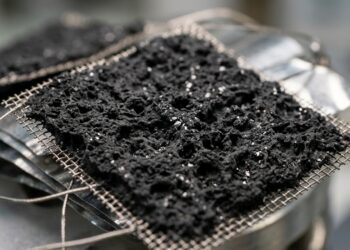
A ternary nanocomposite electrode combining nickel oxide, cerium oxide, and graphene oxide demonstrated high capacitance and 96.88 percent retention after ...
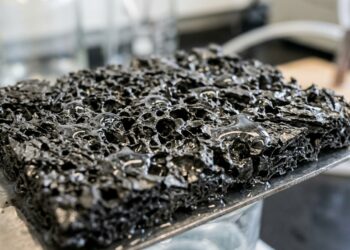
Integrating vanadium pentoxide nanorods with carbon nanotubes and hydroxylated graphene enhances conductivity, surface area, and cycling stability in aqueous supercapacitor ...
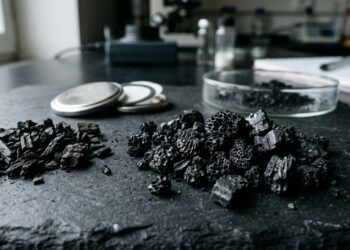
A review examines how olive pomace can be converted into carbon electrode materials for supercapacitors and batteries, highlighting the interplay ...

A hydrothermally synthesized α-MnO2 nanoneedle–biochar nanocomposite showed substantially improved supercapacitor charge storage over either component alone.

A new review details how polyoxometalate–metal organic framework hybrids are boosting the performance of batteries, supercapacitors, fuel cells, water electrolyzers ...

Scientists converted industrial lignin into fluorescent carbon dots embedded in iron-cobalt hydroxide electrodes that store record charge and, after the ...
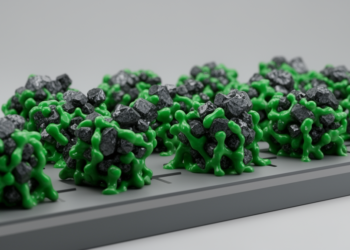
A polyaniline-coated MgCo2O4 hybrid electrode achieved a specific capacitance of 141.93 F g−1 and retained 88.71% of its capacitance over ...
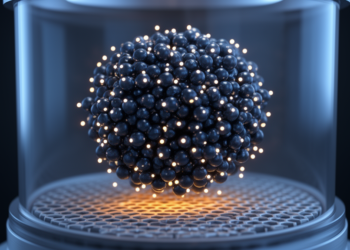
Strontium-modified Co3O4 nanoparticles made by solution combustion showed the best supercapacitor performance at the 2Sr composition, with a specific capacitance ...

A new review maps how low-cost energy harvesting technologies could replace batteries in smart sensing and Internet of Things devices.

A new review details how deep eutectic solvents can extract structurally intact, high-value lignin from agricultural and forestry residues under ...
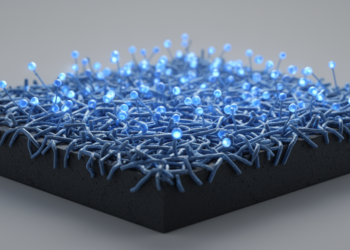
A methylene blue-assisted PANI/MnO2 nanocomposite electrode retained 99.3% of its capacitance after 3000 cycles, and a symmetric supercapacitor built from ...
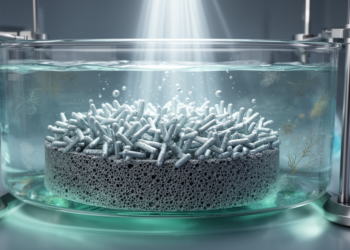
A laboratory study found that 5% iron-doped nickel zincate delivered high supercapacitor performance and faster pollutant degradation under ultraviolet light.
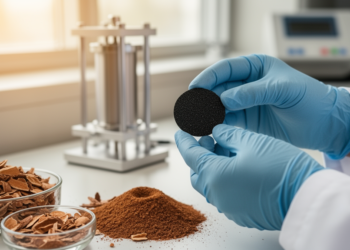
Activated carbon made from waste almond shells and modified with titanium dioxide nanoparticles reached 914 F g⁻¹ at 1 A ...

A laboratory study found that 6% nickel-doped MoS2 reached 1,210 F/g in a three-electrode test and 121 Wh/kg in an ...
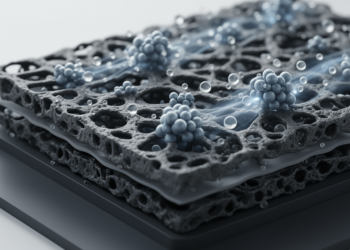
A critical review finds that transition-metal phosphide/carbon supercapacitor studies frequently report inflated performance and calls for consistent testing and mechanism-based ...
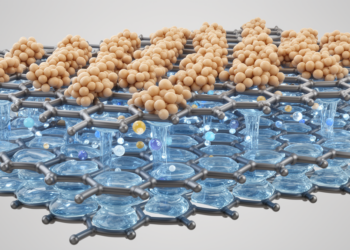
A finite-element model of a cerium dioxide–reduced graphene oxide electrode reported 2,758.7 mF cm−2 peak areal capacitance and 71% capacitance ...
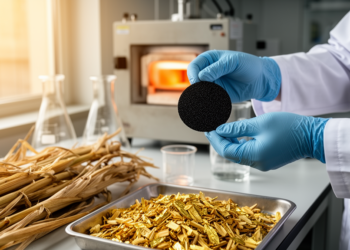
A laboratory electrode study reported a specific capacitance of 1,049.95 F g−1 for a corn-straw biochar, MXene and MnO2 composite, ...
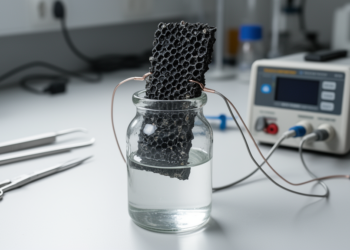
A laboratory NiTe–MoS2/rGO supercapacitor electrode achieved 782 farads per gram and retained 87% of its initial capacity after 5,000 cycles.
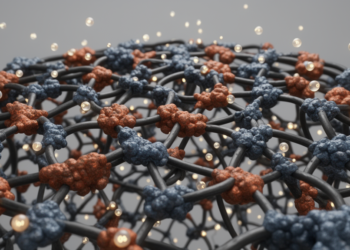
Researchers in Lahore report a biphasic chromium-zirconium oxide nanocomposite wired with carbon nanotubes that achieves 748 F g⁻¹ and an ...