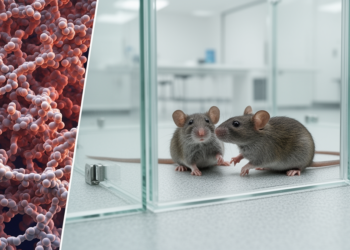
Autoclaved Soy Protein Reduces Amino Acid Bioavailability and Mouse Social Novelty
Heating soy protein isolate at 121 degrees Celsius impairs amino acid bioavailability in mice and selectively diminishes social novelty recognition ...
Heating soy protein isolate at 121 degrees Celsius impairs amino acid bioavailability in mice and selectively diminishes social novelty recognition ...
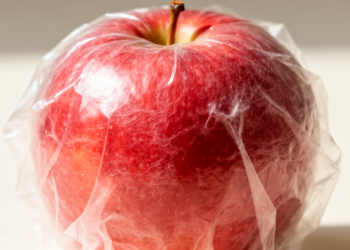
A comprehensive scientific review details how biodegradable protein films derived from animal and agricultural by-products provide functional alternatives to conventional ...
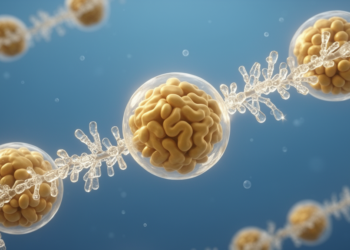
A systematic wet-heating study demonstrates that four hours of Maillard glycation optimizes the structural flexibility, emulsifying activity, and gel network ...
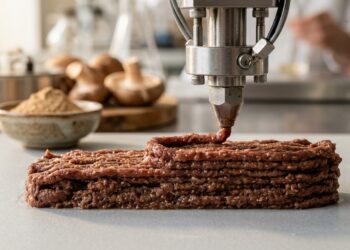
Adding whole shiitake mushroom powder to soy protein isolate–amylose inks enabled complete 3D-printed plant-based meat structures, with a 6-gram formulation ...
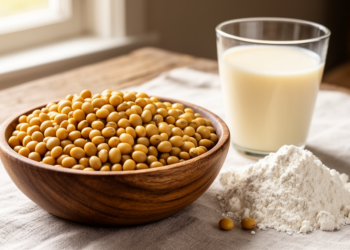
A new mass spectrometry study finds that soybeans and fresh soymilk are rich in vitamins B1 and B6, but soy ...
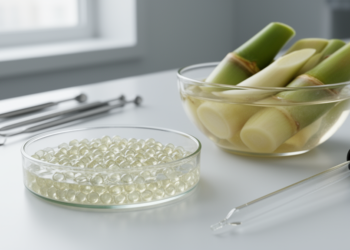
Researchers encapsulated ε-polylysine hydrochloride in soy protein–chitosan microcapsules that cut microbial counts in salted bamboo shoots by 96.1 percent while ...
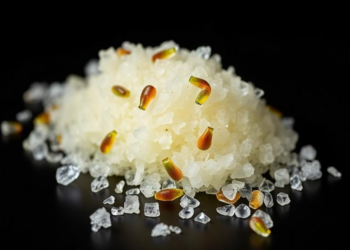
Researchers used soy protein isolate and sodium alginate composite particles to stabilize Zanthoxylum oil Pickering emulsions, slowing oxidation and preserving ...
Researchers combined rice and soy protein nanoparticles with starch nanocrystals to extend the lifetime of aqueous food foams from under ...