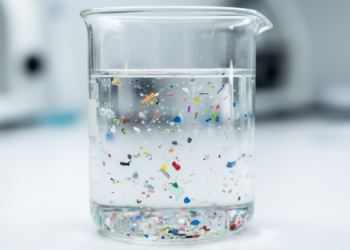
Pilot Study Finds 23 to 45 Microplastic Particles per Liter in Wrocław
A pilot assessment of residential tap water in Wrocław, Poland, detected microplastic concentrations between 23 and 45 particles per liter, ...
A pilot assessment of residential tap water in Wrocław, Poland, detected microplastic concentrations between 23 and 45 particles per liter, ...

Optimizing culture parameters for Lactiplantibacillus plantarum increased nitrate reductase activity and silver nanoparticle yield, producing antimicrobial films that reduced bacterial ...

A study in Singapore reveals marine biofilm assembly on plastics is driven primarily by temporal succession rather than substrate type.

A nationwide cohort study from South Korea has identified a higher risk of periprosthetic joint infection in patients receiving delta-on-highly ...

An examination of 900 short-neck clams from India's Ramsar-listed Ashtamudi Lake revealed microplastic contamination in 22.4 percent of samples, dominated ...
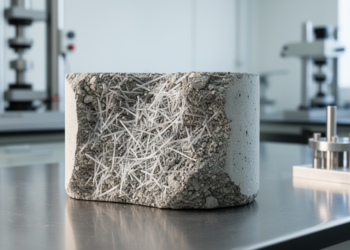
Published in Advances in Bridge Engineering, the study provides empirical evidence that waste-derived plastic fibers can serve as an effective ...
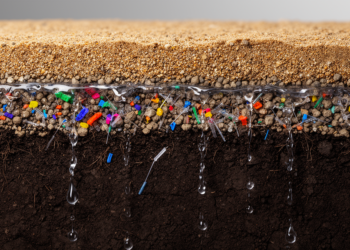
Researchers found that even trace concentrations of microplastics significantly alter soil saturated hydraulic conductivity, with effects dictated primarily by polymer ...

Researchers have found that a natural polyethylene-like polyester produced by ground-nesting bees degrades from 73 to 40 percent in soil ...

A study across 600 non-residential indoor environments in northern Kerala revealed extensive deposition of microplastics co-occurring with plasticizers, personal care ...
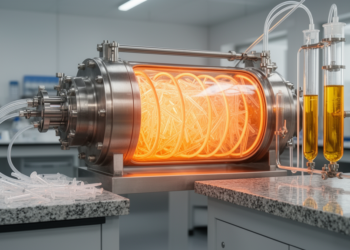
A comprehensive review in Discover Chemistry evaluates conventional and advanced recycling technologies capable of transforming surging global medical plastic waste ...

A controlled study found that low-density polyethylene microplastics increased cotton Verticillium wilt severity while disrupting rhizosphere microbial community structure and ...
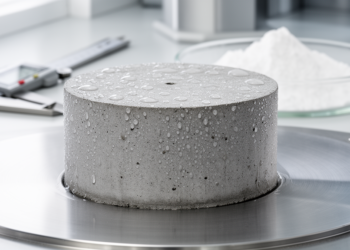
Incorporating approximately three percent nano-sized polyethylene terephthalate powder into concrete improves mechanical strength and reduces water absorption, researchers report.

Researchers have developed a sustainable photocatalytic strategy to degrade polyethylene microplastics, a persistent pollutant derived from agricultural mulch films. The ...
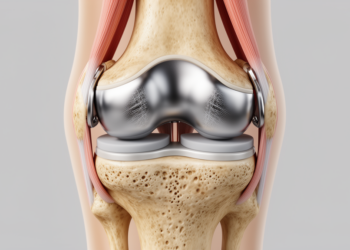
Researchers conducted an in vitro wear simulation study to investigate how coronal alignment-related mediolateral load distribution affects polyethylene wear in ...

A new study estimates disposable coffee cups could shed up to 2.74 × 10¹¹ submicron plastic particles per person daily ...

Chemists report that adding three fluorine atoms and bulky benzhydryl groups to bis(imino)pyridylcobalt precatalysts yields thermally robust catalysts that polymerize ...
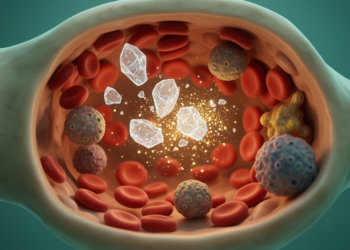
A bioinformatic and preliminary experimental study identifies PTGS1, CA1, and SYK as prognostic genes in multiple myeloma and explores, without ...

A Swedish study measured microplastics including tyre rubber in highway stormwater at 2.4 to 4200 micrograms per litre during rainfall ...

A new multi-level preprocessing and clustering framework for FT-IR spectral imaging achieved perfect classification of four common microplastic polymers while ...

A new study of soil from India's Sukhna Lake watershed shows that environmentally weathered microplastics are oxidized, mineral-coated, and contaminated ...